


Every strong structure starts with materials that behave the way engineers expect whether it’s concrete that cures consistently, soil that supports weight without excessive settling, or aggregates that compact predictably. That assurance doesn’t come from guesswork: materials testing provides scientific, repeatable data that improves safety, performance, and long-term durability.
In this guide, we’ll break down why materials testing matters, explain core tests you’ll encounter on a typical construction project, and link to relevant Certified MTP resources so you can dig deeper into the topics that matter most.
Why Materials Testing Is Critical
Materials testing is more than a regulatory checkbox, it’s about predictable behavior and quality control in complex building environments:
- Safety & compliance: Ensures that mixes and compounds meet design and industry benchmarks.
- Performance prediction: Data on properties such as strength, workability, and moisture lets engineers model real-world behavior.
- Problem prevention: Early detection of flaws like overly wet concrete or poorly graded aggregate saves time and money later in the project lifecycle.
A recent article on Certified MTP explains how tests like these provide confidence on worksites
Core Tests Every Technician Should Know
Here are the foundational tests used in most construction materials testing workflows:
Concrete Slump Test — Workability in the Field
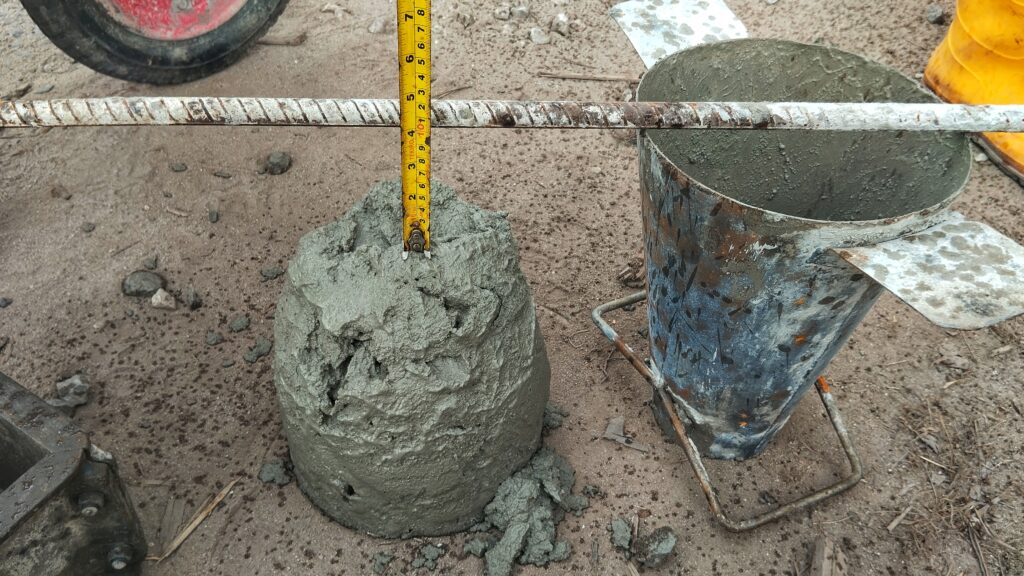
The concrete slump test measures the workability and consistency of freshly mixed concrete. This quick field test lets technicians see if the mix will place and compact effectively before it hardens.
What it tells you: Flowability and cohesiveness of concrete
Common outcomes:
- True slump even settling indicates good mix balance
- Shear slump the upper section slides laterally
- Collapse slump too wet; mix revision needed
For a deeper dive into this method including step-by-step procedures and what the results mean read the Concrete Slump Test guide on the blog.
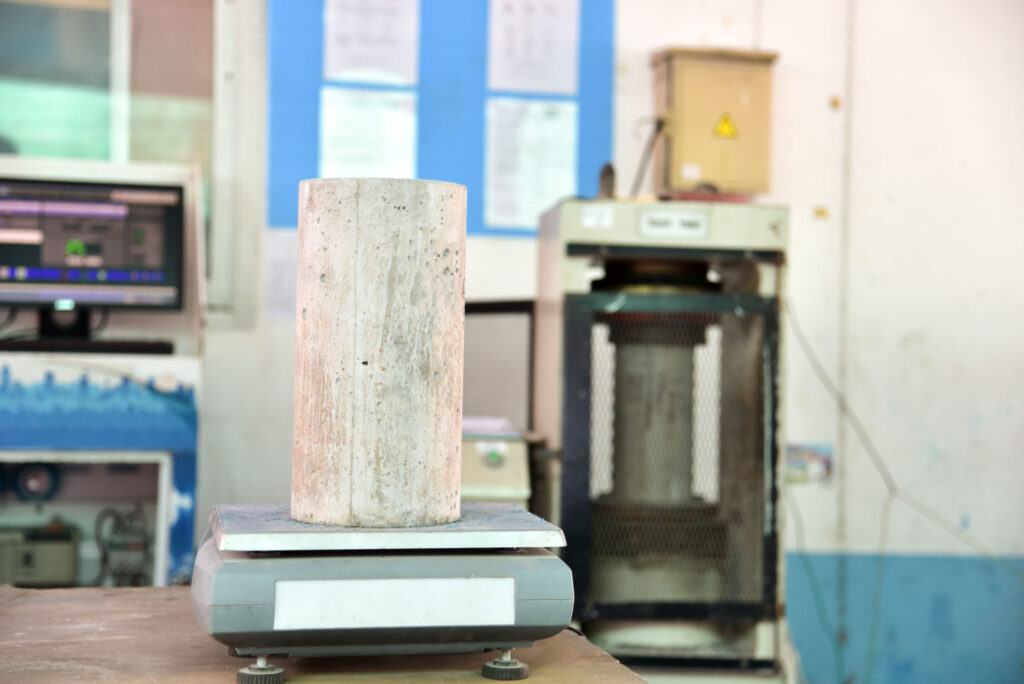
After concrete hardens, its ability to withstand compressive loads is one of the most important indicators of quality and safety. This test typically uses standardized cylinder or cube samples to quantify the material’s ultimate strength.
Why it’s important: Ensures the concrete mix will support expected structural loads without failure.
You’ll find more on cement and concrete strength tests including equipment standards in the cement testing overview and specific lab testing content on Certified MTP.
Aggregate Sieve Analysis – Particle Size Matters
Aggregates the sand, gravel, and rock used in concrete and asphalt affect compaction, void space, and overall strength. Sieve analysis sorts particles by size to ensure a mix that compacts well and bonds effectively with the binding materials.
 What it reveals: Particle distribution and gradation quality
Why it matters: Poor gradation can lead to weak concrete or unstable pavement bases.
Soil Compaction & Moisture Tests
Different soils – clay, silt, sand, gravel, behave differently under load. Moisture content and compaction levels determine how much weight a soil layer can support. Well-compacted soil minimizes settlement and increases the longevity of foundations and pavements.
Tests like Proctor compaction and moisture determinations help engineers establish the ideal water content and density for subgrades and fills.
Interpreting Test Results: What to Look For
Understanding raw numbers is just the beginning. Interpreting results within context project specs, environmental conditions, design requirements turns data into decisions that matter:
Too low slump? Concrete may require more water or admixture adjustments.
Low compressive strength? Could indicate mix issues or curing problems.
Poor aggregate gradation? Adjust cone sizes or source different materials.
For technicians and engineers alike, data interpretation is as vital as the tests themselves.
Related Resources on Certified MTP
Expand your understanding with these blog posts and internal guides:
Concrete Slump Test: Complete Guide 2025 Procedure — English, step-by-step insights into slump testing.
Concrete Testing and Equipment Glossary — Definitions and terms every technician should know.
Fresh Concrete Testing Tools — Understand tools used from sample discharge to field checks.
Cement Compressive Strength Testing — Learn what cement tests reveal about durability and performance.
🧠 Final Thoughts: Testing With Confidence
Materials testing isn’t just a set of procedures, it’s the backbone of reliable construction outcomes that withstand time, load, and environment. By combining standardized tests, accurate execution, and thoughtful interpretation, technicians and engineers can build structures that perform exactly as designed.
If you’re eager to explore more from advanced field techniques to lab best practices the Certified MTP blog offers a growing library of practical insights that support learning and excellence in materials testing.


