

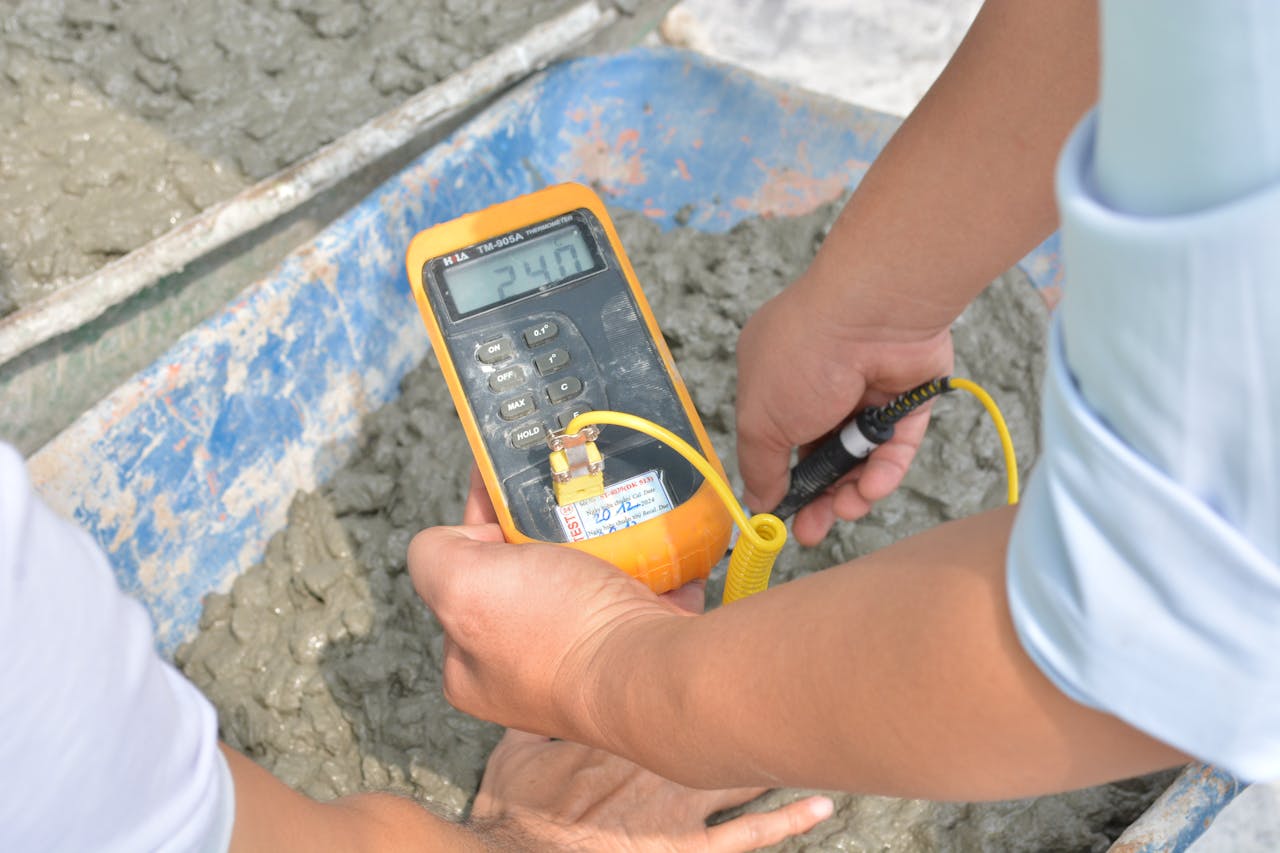
How to Choose the Right Concrete Testing Equipment for Accurate Field Results
Accurate concrete testing is the foundation of safe, durable, and code-compliant construction. Whether you’re working on residential slabs, commercial foundations, or large infrastructure projects, the quality of your test results depends heavily on the concrete testing equipment you use. Choosing the right tools ensures compliance with ASTM and AASHTO standards while helping you avoid costly failures, rework, and delays.
In this guide, you’ll learn how to choose the right concrete testing equipment based on your testing requirements, field conditions, and accuracy needs, so you can deliver reliable results on every jobsite.
Why Choosing the Right Concrete Testing Equipment Matters
Concrete properties can vary significantly due to mix design, placement, temperature, and curing conditions. Using substandard or incorrect tools can lead to:
- Inaccurate test data
- Failed inspections
- Structural integrity concerns
- Project delays and increased costs
Certified and calibrated concrete testing equipment ensures your results are consistent, repeatable, and accepted by inspectors and engineers. High-quality tools also protect your professional reputation by ensuring accuracy from the field to the final report.
Key Factors to Consider When Selecting Concrete Testing Equipment
1. ASTM & AASHTO Compliance
Always choose equipment that meets ASTM and AASHTO specifications. Certified tools are designed to produce results that comply with regulatory requirements and quality control standards.
When browsing Certified MTP’s concrete testing equipment, look for product descriptions that clearly state standard compliance. Using compliant equipment ensures your test results are valid, defensible, and inspection-ready.
2. Field vs. Laboratory Testing Requirements
Many concrete tests are performed directly on the jobsite, not in a controlled laboratory environment. Field conditions demand tools that are:
- Portable
- Durable
- Easy to assemble and clean
- Resistant to moisture, dust, and impact
Certified MTP offers a wide selection of field-ready concrete testing tools built specifically for on-site use, helping you maintain accuracy even in challenging environments.

3. Accuracy and Measurement Consistency
Accuracy is non-negotiable in concrete testing. Even small deviations can lead to incorrect assessments of workability, air content, or compressive strength.
High-quality testing equipment should feature:
- Clear measurement markings
- Rigid construction
- Stable bases and components
- Consistent calibration
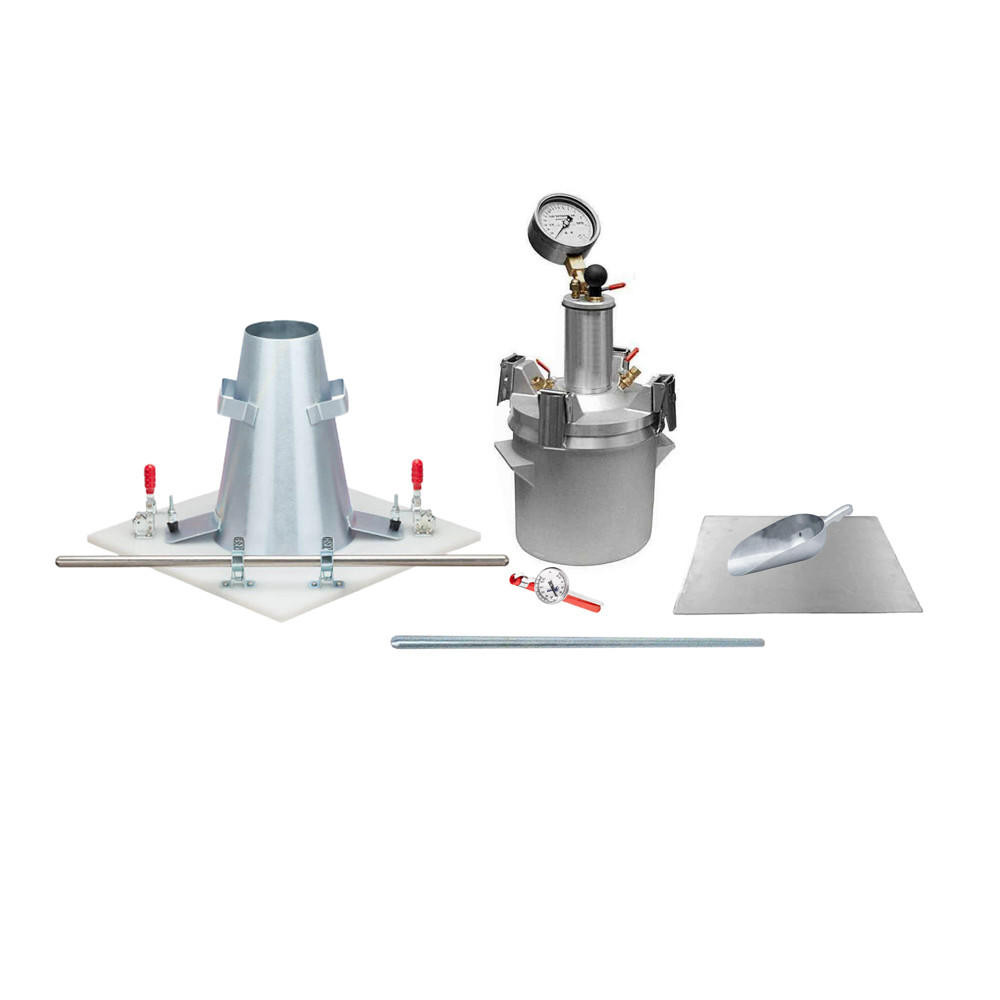
For example, properly manufactured slump test kits and concrete air meters deliver repeatable, reliable readings across multiple tests.
Essential Concrete Testing Equipment to Consider
Slump Testing Equipment
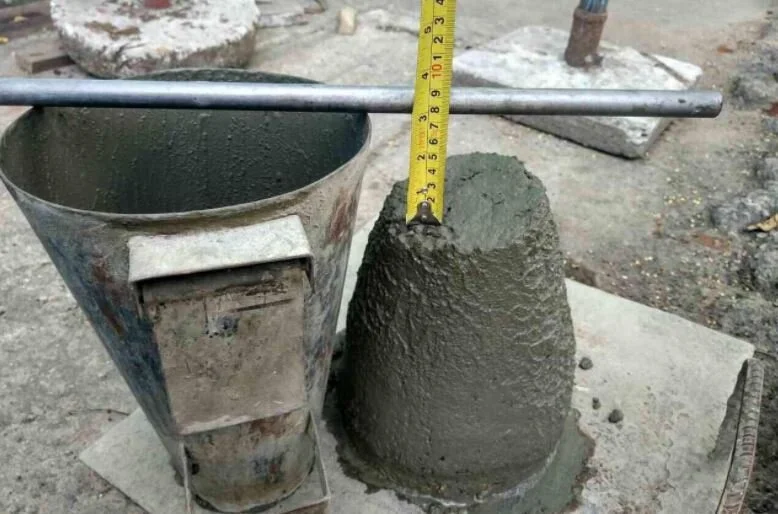
Slump testing is one of the most widely used methods for measuring concrete workability in the field.
A complete setup includes:
- Slump cone
- Base plate
- Tamping rod
Using a complete slump test kit ensures accuracy while maintaining ASTM compliance. Certified MTP offers certified slump testing tools designed for consistent and repeatable results.
High-quality cones resist deformation, ensuring that your slump measurements remain accurate throughout repeated use.
Concrete Air Content Testing Equipment
Air content testing is essential for determining concrete durability, especially in freeze-thaw environments.
When selecting concrete air meters, look for:
- Easy-to-read pressure gauges
- Durable sealing systems
- Reliable pressure release valves
Certified MTP’s concrete air meters are designed to deliver precise measurements while withstanding harsh field conditions. Accurate air content testing helps ensure long-term performance and compliance with project specifications.
Compression Testing Accessories
Concrete strength testing depends heavily on proper sample preparation. Even the best compression machines can produce unreliable results if accessories are inadequate.
Essential compression testing accessories include:
- Cylinder molds
- Neoprene caps and retainers
- Capping compounds
Using certified accessories ensures uniform load distribution during testing, leading to accurate compressive strength results.
Non-Destructive Concrete Testing Tools
Non-destructive testing tools allow you to evaluate concrete strength without damaging the structure.
Common options include:
- Concrete test hammers
- Rebound hammers
These tools are ideal for quick assessments, comparative analysis, and situations where coring or destructive testing is not practical. Certified MTP provides dependable non-destructive concrete testing tools suitable for both field and inspection use.
Common Mistakes to Avoid When Choosing Concrete Testing Equipment
Avoiding these common mistakes can save time, money, and credibility:
- Purchasing non-certified equipment to reduce upfront costs
- Ignoring calibration requirements
- Using lab-grade tools in rugged field environments
- Mixing incompatible accessories
Choosing certified, application-specific concrete testing equipment helps eliminate failed tests and re-inspections.
Maintenance and Calibration: Ensuring Long-Term Accuracy
Proper maintenance is essential to preserve accuracy and extend the life of your testing tools.
Best practices include:
- Cleaning equipment after each use
- Proper storage to prevent corrosion
- Regular calibration checks
- Prompt replacement of worn components
Well-maintained equipment ensures consistent performance and dependable test results over time.
Why Professionals Choose Certified MTP
Certified MTP is trusted by contractors, engineers, and inspectors for its wide range of certified concrete testing equipment designed for accuracy, durability, and compliance. With solutions for slump testing, air content testing, and compression testing, professionals can confidently meet testing requirements on any project.
Choosing the right concrete testing equipment is critical for achieving reliable field results and maintaining construction quality. By prioritizing certified tools, proper application, and routine maintenance, you can ensure accurate measurements and successful inspections.
Whether you’re performing slump tests, air content evaluations, or strength testing, investing in high-quality, compliant equipment supports both project success and professional credibility.


