

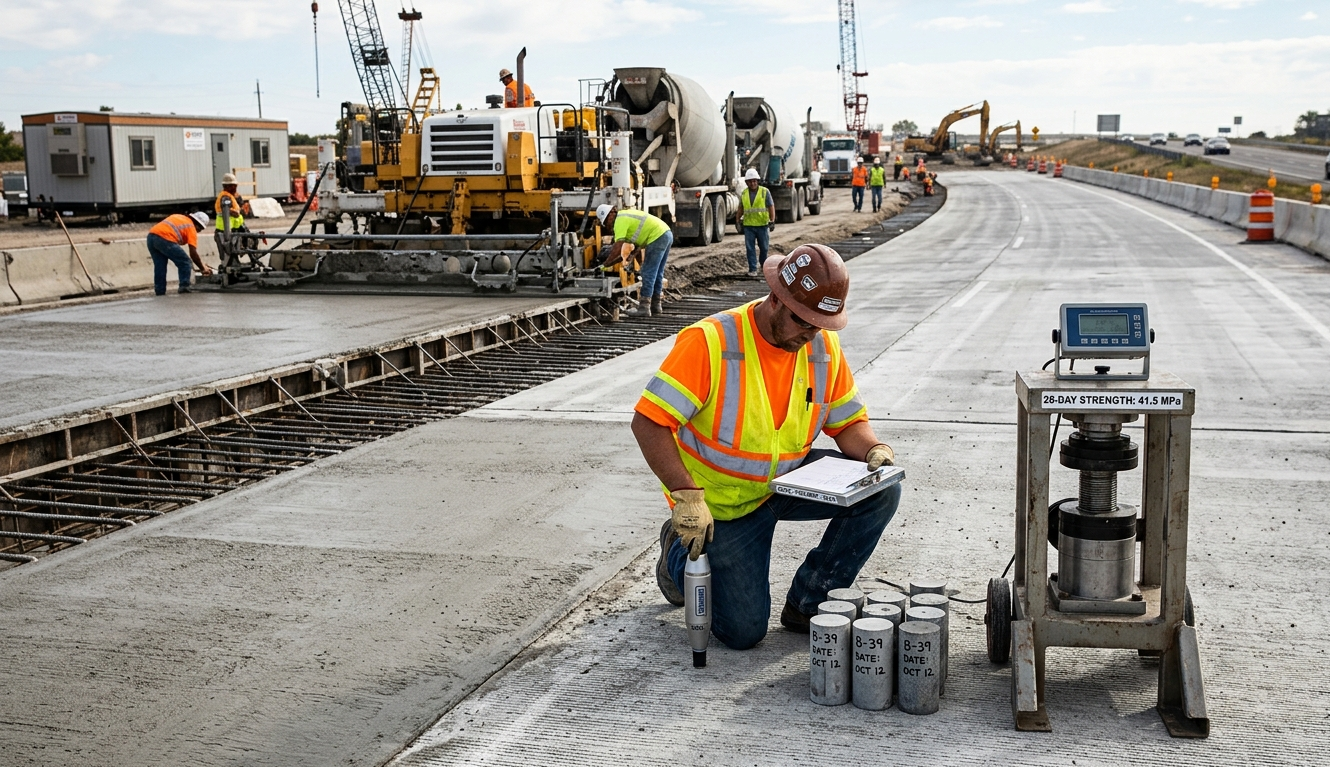
In construction and material testing, strength is everything. Whether it’s a high-rise building, a bridge, or a pavement system, the structural integrity of materials must be verified before use. One of the most essential tools used for this purpose is the Compression Testing Machine (CTM).
Widely used in civil engineering laboratories and construction sites, compression testing machines are designed to measure the compressive strength of materials such as concrete, cement, soil, and masonry. At Certified Material Testing Products (Certified MTP), these machines are built to meet strict industry standards, ensuring accuracy, durability, and consistent performance.
In this article, we’ll explore what a compression testing machine is, how it works, its applications, and how to choose the right one for your testing needs.
What is a Compression Testing Machine?
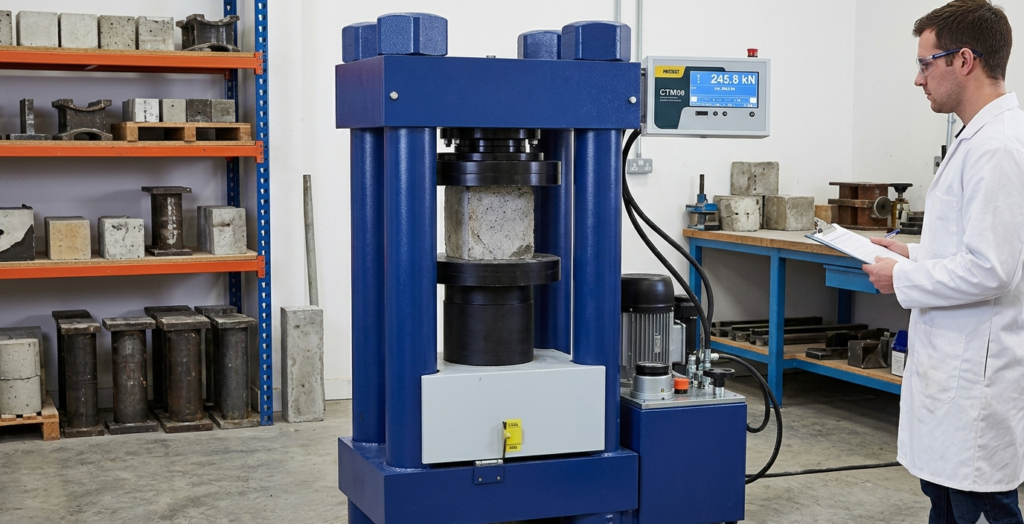
A Compression Testing Machine is a device used to determine how much compressive load a material can withstand before failure. In simple terms, it measures the maximum load a sample can bear when being crushed.
The machine applies a controlled compressive force to a specimen such as a concrete cube or cylinder until it cracks or breaks. The recorded value helps engineers assess the strength and suitability of the material for construction purposes.
Compression testing is a fundamental requirement in quality control and is often mandated by standards such as ASTM and AASHTO.
Why Compression Testing is Important
Concrete and similar materials are strong in compression but weak in tension. That’s why understanding their compressive strength is critical for safe construction.
Compression testing helps:
- Ensure materials meet design specifications
- Verify structural safety and load-bearing capacity
- Maintain quality control during construction
- Prevent structural failures and costly repairs
- Comply with industry standards and regulations
Without proper testing, there’s no reliable way to confirm whether a material is fit for use in critical structures.
How a Compression Testing Machine Works
The operation of a compression testing machine is straightforward but highly precise.
Step 1: Sample Preparation
Concrete samples are prepared in standard shapes, typically cubes or cylinders, and cured under controlled conditions.
Step 2: Placing the Specimen
The sample is placed between two steel platens inside the machine. Proper alignment is essential to ensure accurate results.
Step 3: Applying Load
The machine applies a compressive force gradually at a controlled rate. This is done either hydraulically or electronically, depending on the machine type.
Step 4: Recording the Result
As the load increases, the machine records the maximum force the specimen can withstand before failure. This value is used to calculate compressive strength.
Modern machines often feature digital displays and automated systems that make the process faster and more accurate.
Types of Compression Testing Machines
Compression testing machines come in different configurations depending on the application and level of automation required.
1. Hydraulic Compression Testing Machines
Hydraulic CTMs use fluid pressure to apply force. They are known for their robustness and ability to handle high-capacity testing.
These machines are commonly used in:
- Concrete testing laboratories
- Construction sites
- Industrial testing facilities
They are reliable and capable of testing large specimens with high accuracy.
2. Digital Compression Testing Machines
Digital CTMs are equipped with advanced electronics and display systems. They provide precise readings and often include features like data logging and automated testing.
Benefits include:
- High accuracy and repeatability
- Easy-to-read digital interface
- Reduced human error
- Faster testing procedures
These machines are ideal for modern laboratories focused on efficiency and data management.
3. Automatic Compression Testing Machines
Automatic CTMs take testing to the next level by controlling the entire process from load application to result recording without manual intervention.
They are perfect for:
- High-volume testing environments
- Research laboratories
- Facilities requiring consistent, standardized results
Automation improves productivity while ensuring compliance with testing standards.
Applications of Compression Testing Machines
Compression testing machines are used across multiple industries and testing scenarios.
Concrete Testing
The most common application is determining the compressive strength of concrete cubes and concrete cylinders. This helps ensure that concrete meets required specifications.
Cement Testing
CTMs are used to evaluate the strength of cement samples, ensuring quality and performance.
Soil Testing
In geotechnical engineering, compression tests help assess soil strength and load-bearing capacity.
Brick and Masonry Testing
The strength of bricks and blocks is tested to ensure durability and compliance with building standards.
Research and Development
Laboratories use CTMs to study new materials and improve construction techniques.
Key Features to Look for in a Compression Testing Machine
Choosing the right compression testing machine depends on your specific requirements. Here are some important factors to consider:
1. Load Capacity
Select a machine with the appropriate load capacity based on the materials you test. Concrete testing often requires high-capacity machines.
2. Accuracy and Precision
Look for machines with high accuracy and reliable calibration to ensure consistent results.
3. Control System
Digital and automated systems offer better control, improved efficiency, and reduced human error.
4. Build Quality
Durable construction ensures long-term performance, especially in demanding environments.
5. Compliance with Standards
Ensure the machine meets ASTM, AASHTO, or other relevant standards for reliable testing.
Best Practices for Accurate Compression Testing
To achieve reliable and repeatable results, follow these best practices:
- Ensure proper sample preparation and curing
- Align specimens correctly before testing
- Apply load at a consistent rate
- Calibrate the machine regularly
- Maintain a clean and well-maintained testing environment
These steps help minimize errors and improve the accuracy of your test results.
Maintenance and Calibration
Regular maintenance is essential to keep your compression testing machine performing at its best.
Routine Maintenance
- Clean the machine after use
- Inspect hydraulic systems and components
- Check for wear and tear
Calibration
Calibration ensures that the machine provides accurate readings. It should be performed periodically according to industry standards.
Proper maintenance not only improves accuracy but also extends the lifespan of the equipment.
Why Choose Compression Testing Machines from Certified MTP?
Certified Material Testing Products offers a wide range of compression testing machines designed for precision and durability.
Key advantages include:
- High-quality construction for long-term use
- Accurate and reliable performance
- Options for manual, digital, and automatic testing
- Compliance with industry standards
- Suitable for concrete, soil, and material testing
Certified MTP’s equipment is trusted by professionals across construction, research, and quality control industries.
Conclusion
Compression Testing Machines are indispensable tools in the construction and material testing industry. By accurately measuring compressive strength, they help ensure the safety, durability, and performance of structures.
Whether you are testing concrete, soil, or masonry materials, investing in a high-quality CTM is essential for achieving reliable results. With advanced features, robust construction, and compliance with industry standards, Certified MTP provides the tools you need for accurate and efficient testing.
In a field where strength defines success, the Compression Testing Machine truly serves as the backbone of material testing.


