

Concrete is the most consumed man-made material on Earth, serving as the literal foundation of our modern infrastructure. From soaring skyscrapers to massive highway interchanges, its performance is often taken for granted. However, the reliability of concrete is not a matter of luck; it is a result of rigorous scientific testing and quality control. For engineers, project managers, and lab technicians, understanding the distinction between strength and durability and the equipment used to verify both is essential for ensuring the safety and longevity of any structure.
In this guide, we will explore the fundamental testing methodologies that define high-performance concrete and the specialized laboratory equipment required to achieve accurate, repeatable results.
Strength vs. Durability: Why Both Matter
In the world of materials science, “strength” and “durability” are often used interchangeably, but they represent two different characteristics of concrete. Compressive strength measures the maximum resistance of a concrete sample to applied axial loads. It is the primary metric used by structural engineers to ensure a building can support its own weight.
Durability, on the other hand, is the ability of concrete to resist weathering action, chemical attack, and abrasion. A concrete mix can have high compressive strength but poor durability if it is susceptible to freeze-thaw cycles. To build structures that last, testing for both properties using professional concrete testing equipment is a non-negotiable requirement.
The Essentials of Fresh Concrete Testing
Before concrete ever hardens into a structural element, its “fresh” state must be evaluated. The window of time between mixing and setting is the most critical period for quality assurance.
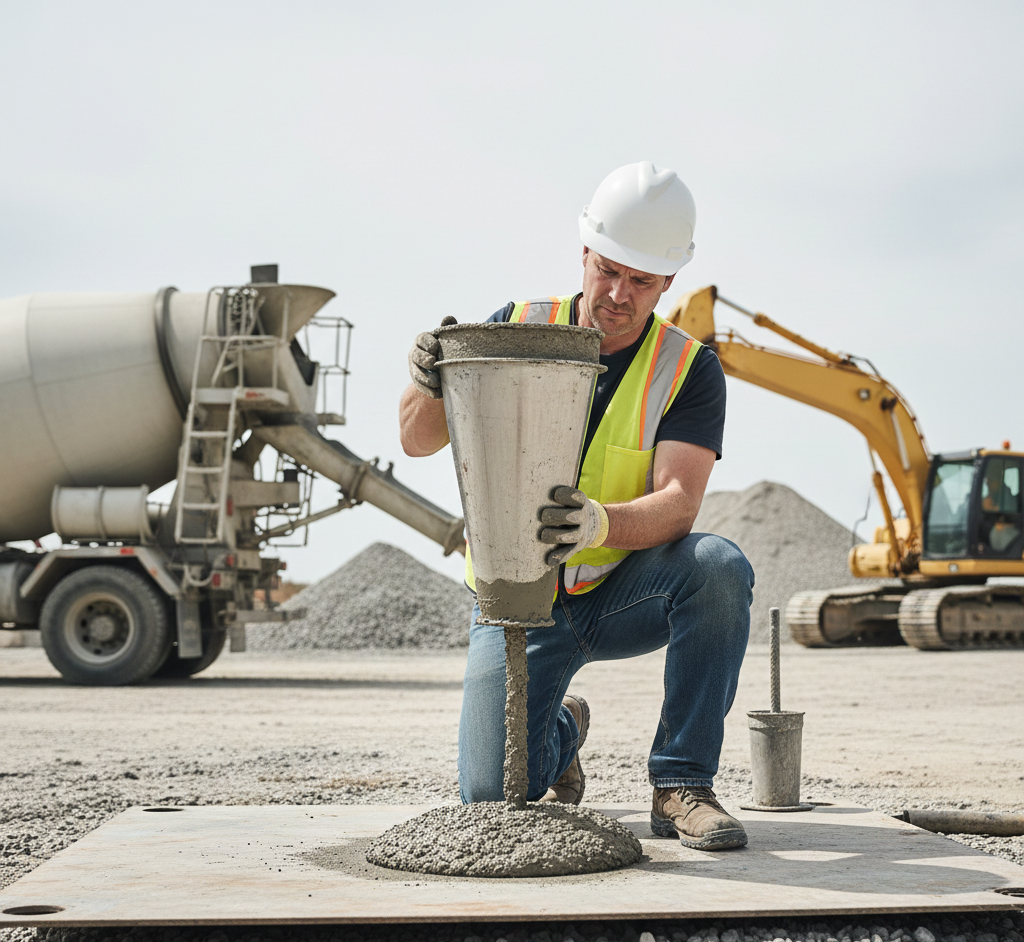
The Slump Test: Measuring Workability
The most common field test is the Slump Test. Using a standardized concrete slump cone, technicians measure the consistency of the concrete mix. A slump that is too high suggests excess water, which leads to lower strength and increased shrinkage. A slump that is too low indicates a mix that will be difficult to place and consolidate.
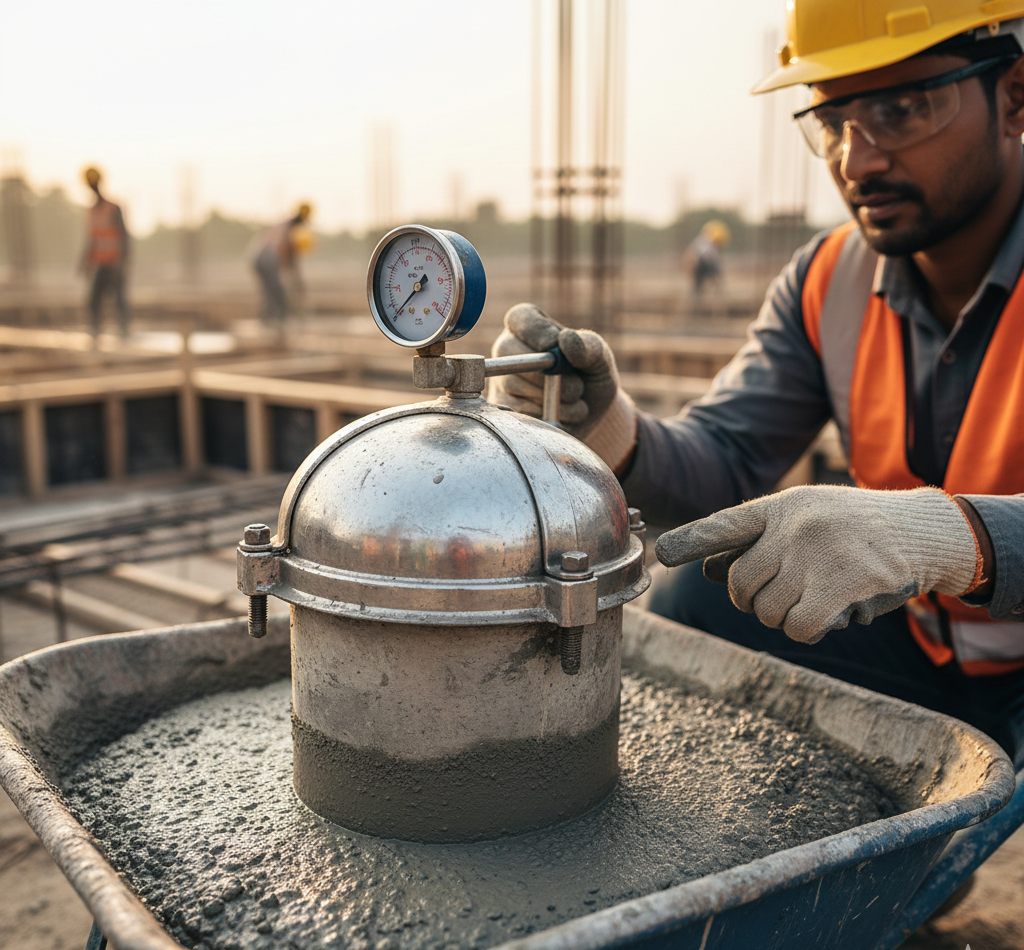
Air Content and Pressure Meters
Concrete is naturally porous, but controlled air entrainment is vital, especially in climates prone to freezing. Concrete air pressure meters allow technicians to measure the volume of air voids within the wet mix. These microscopic bubbles act as “expansion chambers” for freezing water, preventing the concrete from cracking internally during winter months.
Measuring Hardened Strength: The Compression Test
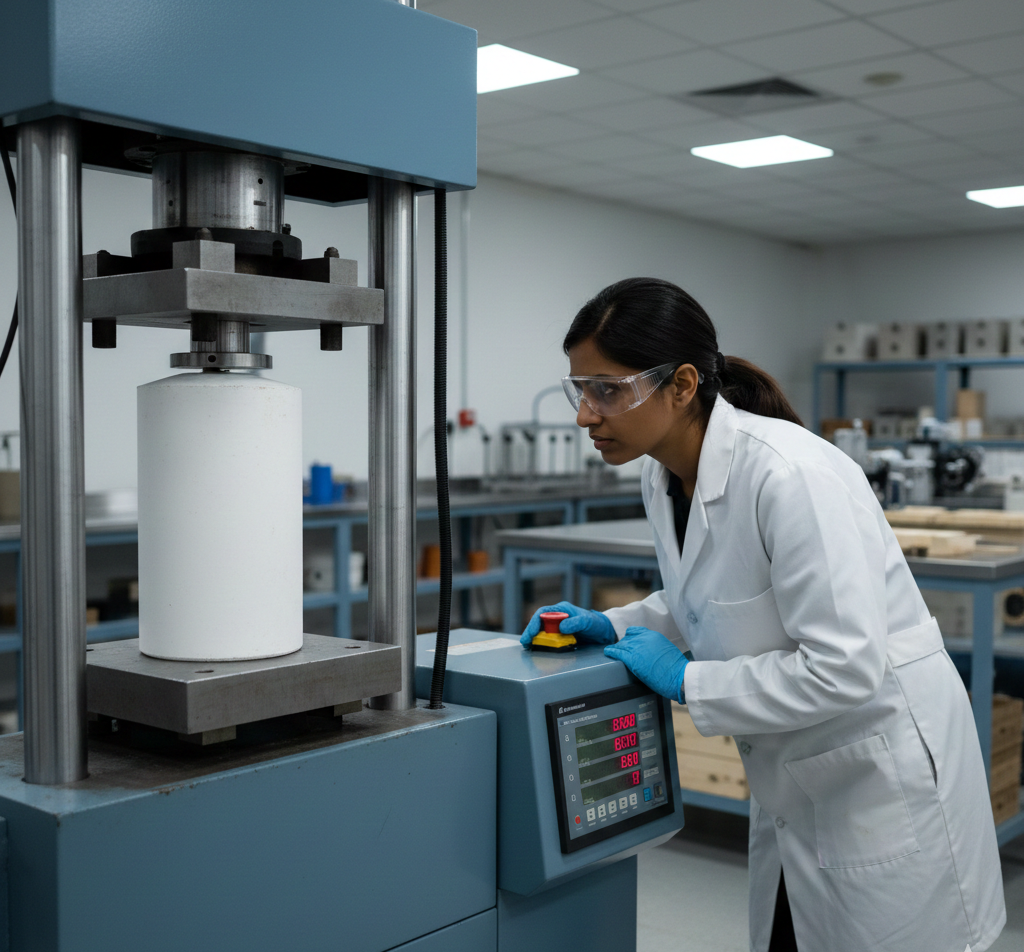
Once the concrete is poured, samples are cast into concrete cylinder molds for laboratory analysis. These specimens are cured in a controlled environment—typically a concrete curing tank or a humidity-regulated room—to simulate ideal hydration conditions.
The concrete compression testing machine is the workhorse of the materials lab. By applying a steady, increasing load until the cylinder fails, the machine determines the pounds per square inch (PSI) the mix can withstand. While 28 days is the industry standard for determining “design strength,” earlier tests at 3 or 7 days are often conducted to predict the concrete’s performance.
Non-Destructive Testing (NDT): Evaluating Existing Structures
What happens when you need to verify the strength of a structure that is already built? This is where Non-Destructive Testing (NDT) equipment becomes invaluable.
Schmidt Rebound Hammers
The concrete rebound hammer, or Schmidt Hammer, is a portable device that measures surface hardness. By hitting the surface with a spring-loaded mass and measuring the “rebound,” engineers can estimate the compressive strength without causing any damage to the structure.
Ultrasonic Pulse Velocity (UPV)
UPV testing involves sending high-frequency sound waves through a concrete element. The speed of the wave indicates the density and homogeneity of the material. Faster waves suggest high-quality concrete, while slower waves may indicate internal cracks or voids.
The Role of Lab Equipment in Precision and Compliance
The integrity of a construction project is only as good as the data generated in the lab. This is why using equipment that meets ASTM and AASHTO standards is vital. These standards ensure that a test conducted in California yields the same reliable data as one conducted in New York.
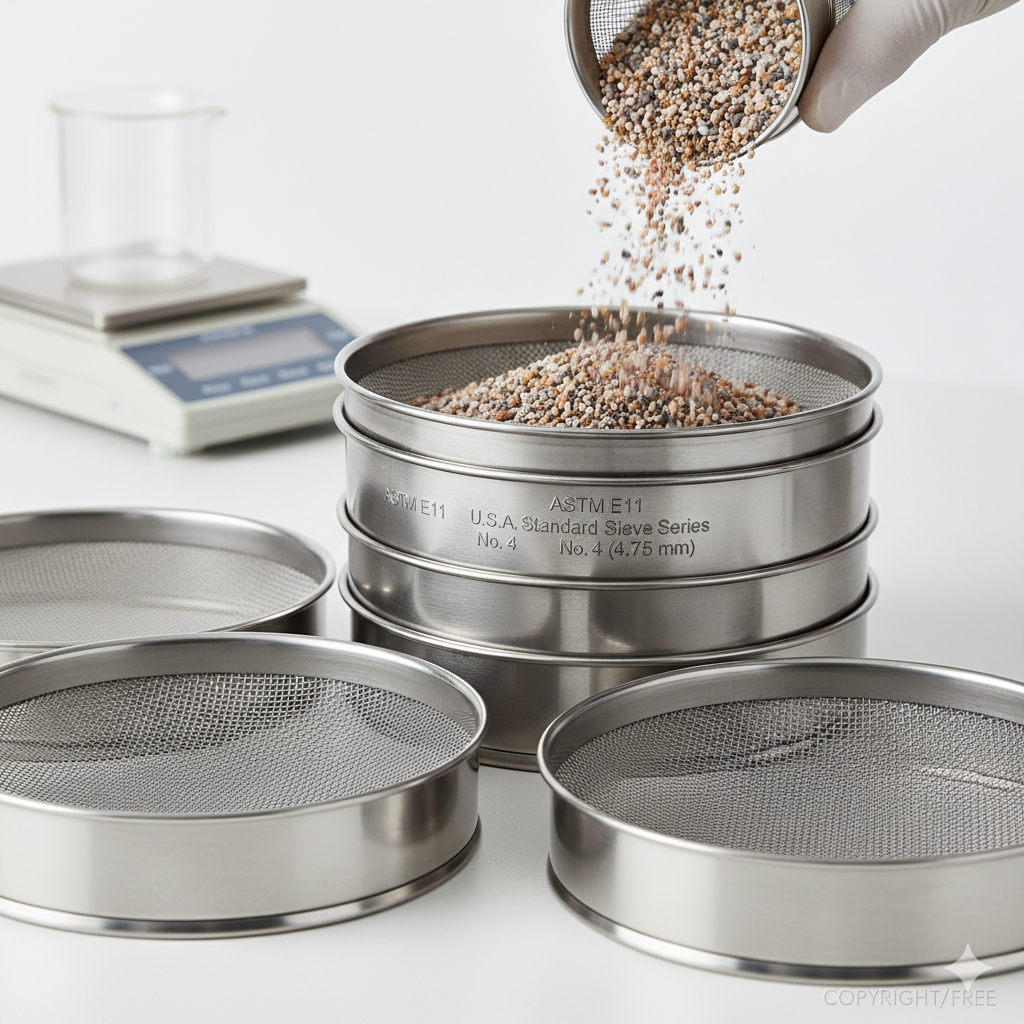
Precision lab scales and high-quality test sieves for aggregate analysis all contribute to a holistic understanding of the material. Without calibrated, high-tier equipment, even the most skilled technician cannot guarantee the accuracy of their results.
Environmental Factors and the Future of Testing
As the construction industry shifts toward sustainability, the science of material testing is evolving. We are seeing a rise in “Green Concrete,” which utilizes fly ash or recycled aggregates to reduce carbon footprints. These new materials require even more rigorous testing to understand how they age compared to traditional Portland cement.
Furthermore, the integration of digital technology is on the rise. Modern concrete maturity meters can now transmit real-time data regarding temperature and strength directly to a smartphone, allowing engineers to know exactly when the concrete has reached the necessary strength to remove formwork.
Conclusion: Building with Confidence
Materials testing is the bridge between architectural vision and structural reality. By employing a combination of fresh concrete analysis, laboratory compression testing, and non-destructive evaluations, the industry ensures that our built environment is not only strong but enduring.
For the modern professional, staying educated on the latest testing standards and maintaining a laboratory equipped with precision instruments is the best way to mitigate risk and deliver projects that stand the test of time.


