

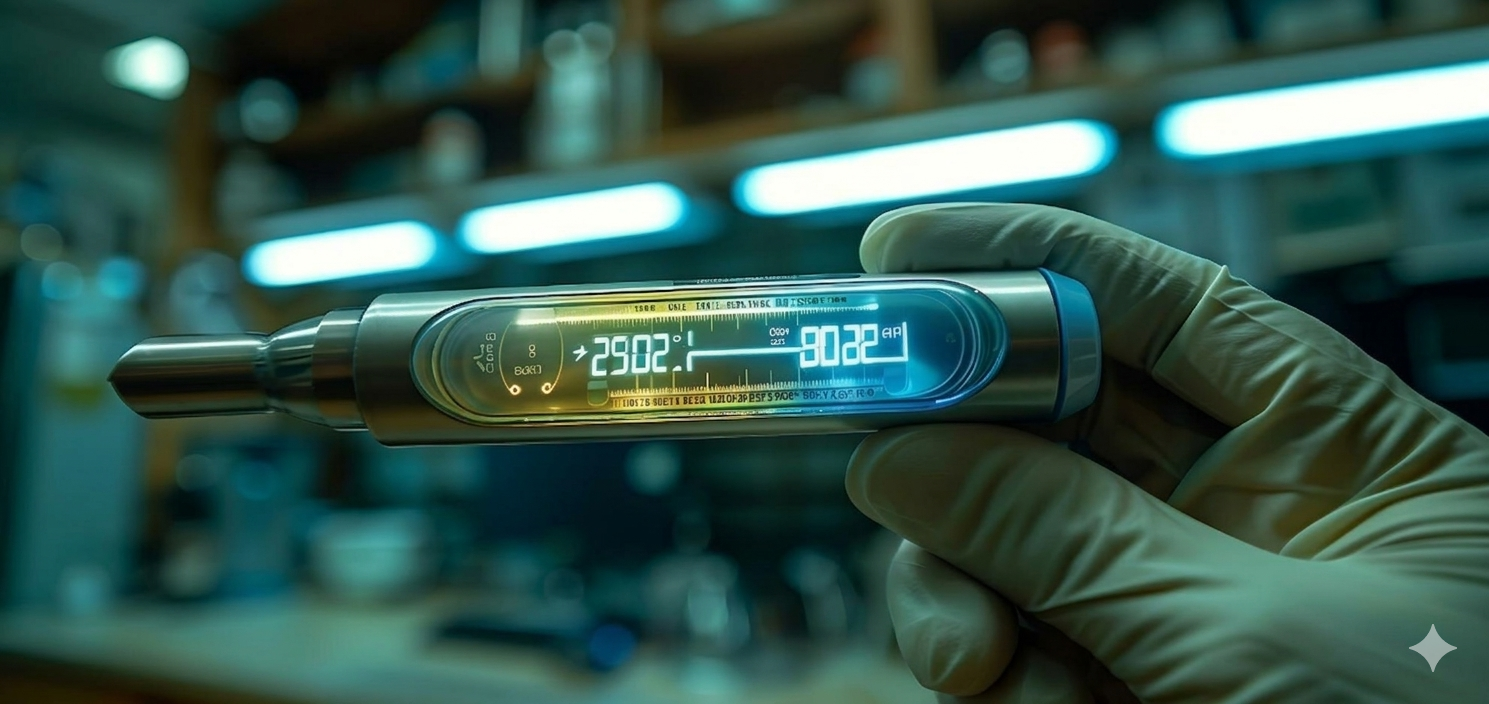
Temperature measurement plays a crucial role in laboratories, construction testing, and industrial environments. Whether you’re working with concrete, asphalt, soil, or other materials, accurate temperature readings directly impact test results and overall project quality. This is where high-quality lab thermometers from Certified MTP Thermometers Collection become essential.
Certified Material Testing Products offers a wide range of temperature measurement tools designed for precision, durability, and ease of use. From digital thermometers to infrared and min-max thermometers, each type serves a unique purpose in both field and laboratory testing environments.
In this article, we will explore three commonly used thermometer types and understand their features, applications, and benefits.
The Importance of Accurate Temperature Measurement in Material Testing
In industries like construction and civil engineering, temperature is a critical variable. Materials such as concrete and asphalt are highly sensitive to temperature changes. Incorrect readings can lead to improper curing, weak structures, or failed compliance with standards.
Certified MTP provides professional-grade lab equipment engineered for accuracy and reliability. Their thermometers are widely used alongside other material testing equipment to ensure consistent and compliant results.
1. Digital Thermometers: Precision and Convenience
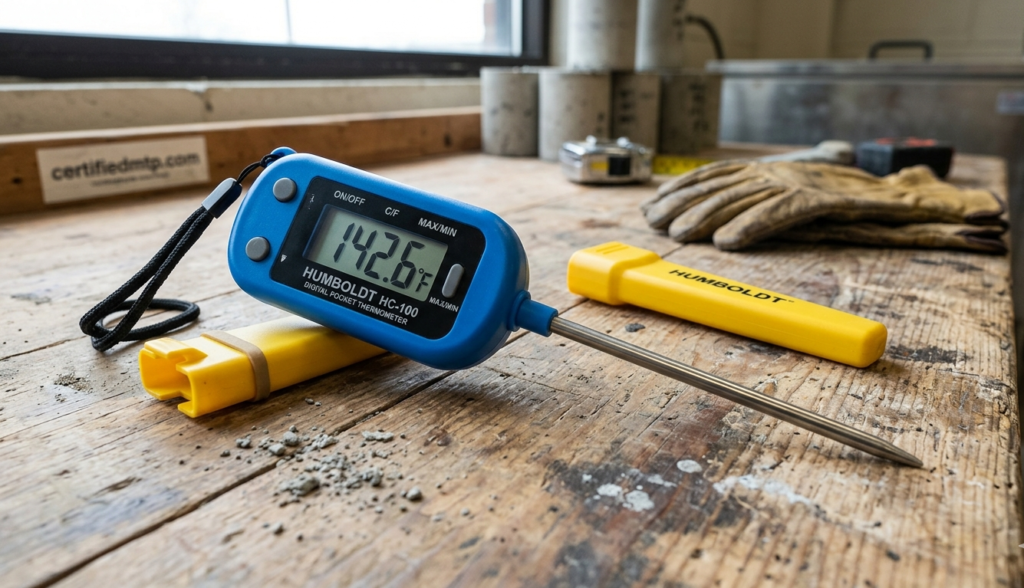
Digital thermometers are among the most widely used temperature measurement tools in laboratories and field testing. They provide fast, accurate readings and are easy to operate, making them ideal for professionals who need efficiency without compromising precision.
Key Features
Digital thermometers typically include:
- Easy-to-read LCD displays
- Fast response times
- High accuracy levels
- Portable and lightweight designs
- Options for probes to measure liquids, air, or solid surfaces
Many models also include advanced features such as data hold, min/max recording, and automatic shut-off for energy efficiency.
Applications
Digital thermometers are versatile and commonly used in:
- Concrete temperature monitoring
- Soil testing
- Asphalt production and laying
- Laboratory experiments
- Environmental monitoring
Their ability to deliver quick readings makes them especially useful in field conditions where time is critical.
Why Choose Digital Thermometers?
The biggest advantage of digital thermometers is their ease of use and accuracy. Unlike traditional mercury-based devices, they are safer, more durable, and easier to interpret. Certified MTP offers a wide selection of digital thermometers designed for professional-grade performance.
2. Infrared Thermometers: Non-Contact Temperature Measurement
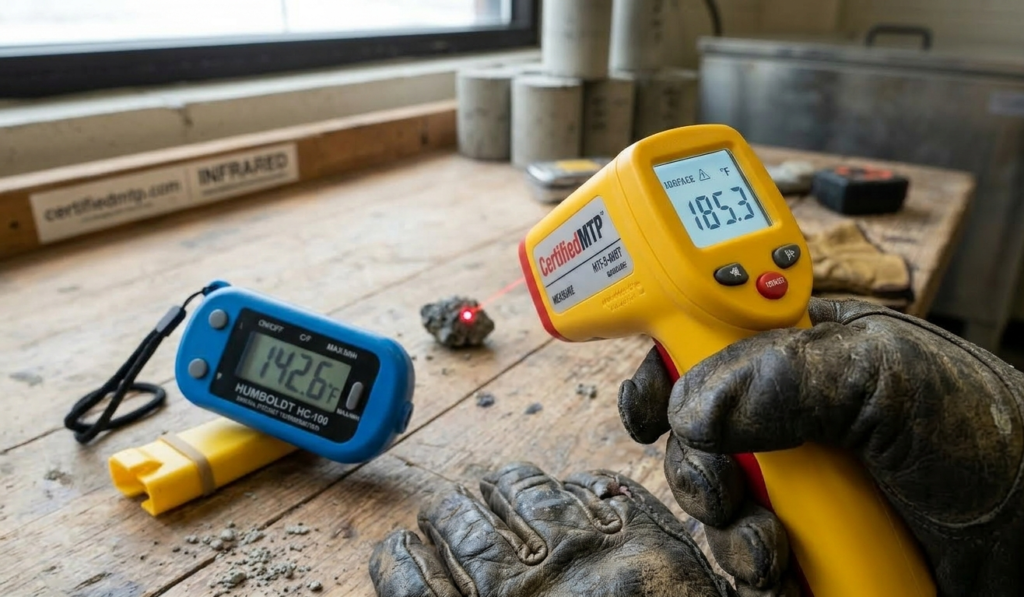
Infrared thermometers are designed for situations where contact-based measurement is not practical or safe. These devices measure temperature from a distance by detecting infrared radiation emitted by an object.
Key Features
Infrared thermometers typically offer:
- Non-contact temperature measurement
- Instant readings
- Laser targeting for accuracy
- Wide temperature range
- Safe operation in hazardous environments
Applications
Infrared thermometers are ideal for:
- Surface temperature measurement
- Equipment monitoring
- Electrical inspections
- Hazardous or hard-to-reach areas
For example, in asphalt testing, it is often unsafe or impractical to insert a probe into hot material. Infrared thermometers allow technicians to measure temperature quickly and safely.
Advantages
The key benefit of infrared thermometers is safety and efficiency. Since there is no need for physical contact, they reduce the risk of burns or contamination. They also allow measurements in moving or inaccessible objects, making them highly practical in industrial settings.
3. Min-Max Thermometers: Monitoring Temperature Variations
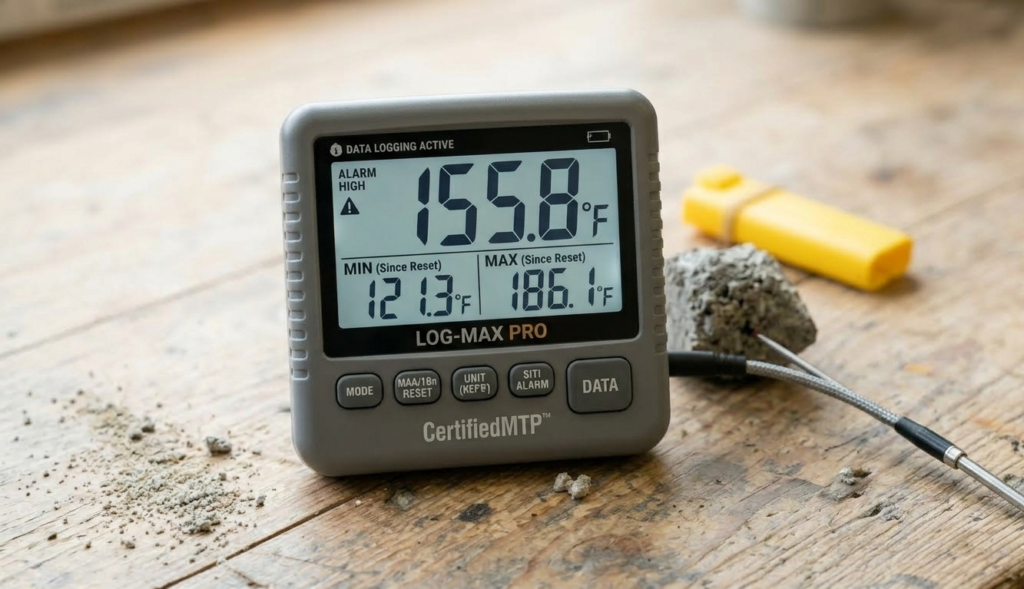
Min-Max thermometers are specialized devices used to record the minimum and maximum temperatures over a period of time. These are particularly useful in controlled environments where temperature fluctuations need to be monitored.
Key Features
Min-Max thermometers often include:
- Memory function to store temperature extremes
- Digital display
- Mercury-free design for safety
- Long-term monitoring capability
Some models are specifically designed for environments like greenhouses or laboratories, where maintaining a stable temperature range is critical.
Applications
These thermometers are commonly used in:
- Environmental testing
- Storage facilities
- Laboratories
- Agriculture and greenhouse monitoring
- Quality control processes
Why They Matter
In many testing scenarios, knowing just the current temperature is not enough. You also need to understand how temperature has changed over time. Min-Max thermometers provide this insight, helping professionals ensure that materials and conditions remain within acceptable limits.
Choosing the Right Thermometer for Your Needs
Selecting the right thermometer depends on your specific application. Here are some quick guidelines:
- For general lab and field use: Digital thermometers are the best choice due to their versatility and accuracy.
- For non-contact measurement: Infrared thermometers are ideal for safety and convenience.
- For monitoring temperature trends: Min-Max thermometers provide valuable historical data.
Certified MTP offers a comprehensive range of thermometers tailored to different industries, ensuring that professionals can find the right tool for their requirements.
Key Factors to Consider Before Buying a Thermometer
When selecting a thermometer, keep the following factors in mind:
1. Accuracy
Accuracy is critical in material testing. Always choose a thermometer that meets industry standards.
2. Temperature Range
Ensure the device can measure the required temperature range for your application.
3. Durability
Fieldwork requires rugged instruments that can withstand harsh conditions.
4. Ease of Use
User-friendly designs with clear displays and simple controls improve efficiency.
5. Application Type
Different tasks require different tools to choose based on whether you need contact or non-contact measurement.
The Role of Thermometers in Modern Testing Environments
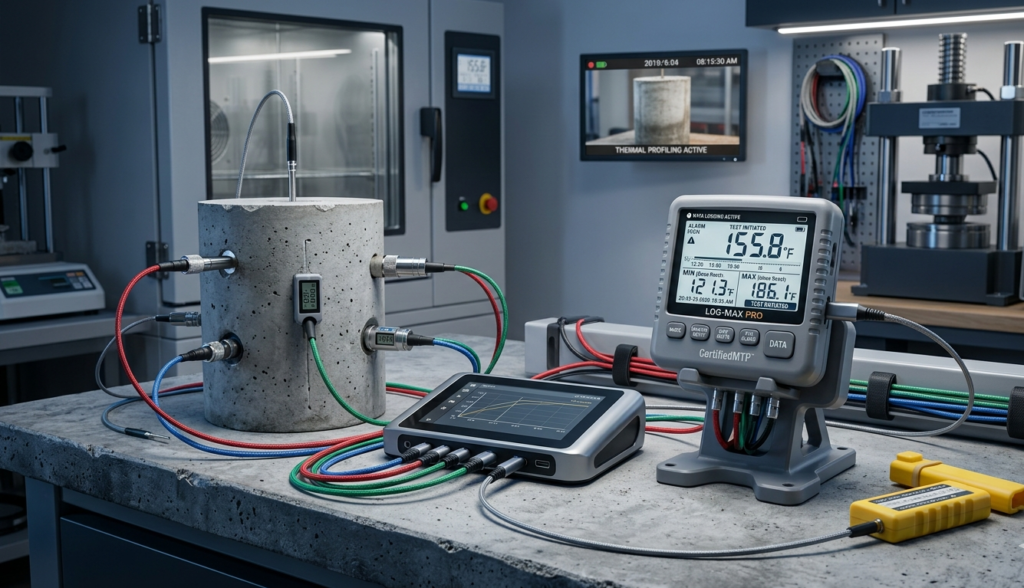
With advancements in technology, thermometers have become more sophisticated and reliable. Digital and infrared thermometers, in particular, have revolutionized temperature measurement by offering faster, safer, and more accurate readings.
In modern laboratories and construction sites, these tools are not just optional, they are essential. They help ensure compliance with standards, improve quality control, and reduce the risk of errors.
Certified MTP continues to provide high-quality lab thermometers that meet the evolving needs of professionals in various industries.
Conclusion
Temperature measurement is a fundamental aspect of material testing, and choosing the right thermometer can significantly impact the accuracy and reliability of your results.
Digital thermometers offer convenience and precision, infrared thermometers provide safety and speed, and min-max thermometers help track temperature variations over time. Together, these tools form an essential part of any laboratory or field testing setup.
By investing in high-quality thermometers from Certified MTP, professionals can ensure accurate readings, improved efficiency, and better overall outcomes in their testing processes.


