

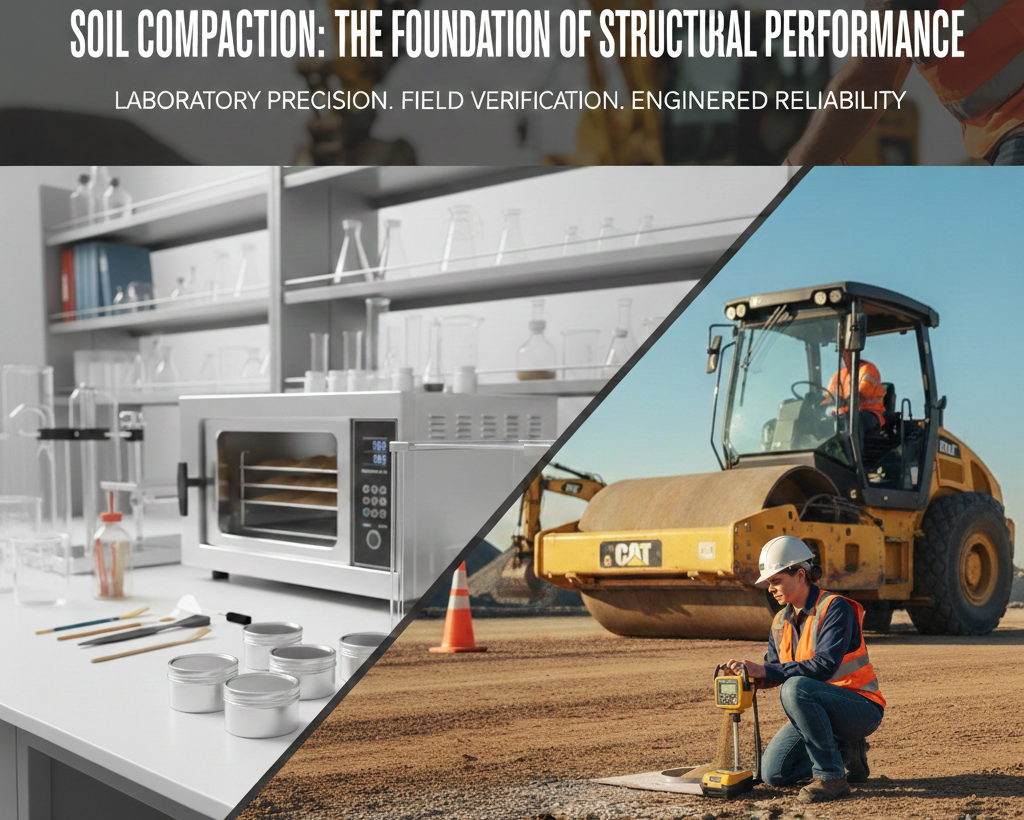
In construction and civil engineering, the strength of any structure begins below the surface. Whether building highways, commercial foundations, or residential slabs, soil compaction plays a crucial role in determining durability, load-bearing capacity, and long-term performance. Without proper compaction and verification, even the most carefully designed structures can suffer from settlement, cracking, and structural instability.
Understanding the science behind soil compaction and using the right soil testing equipment is essential for contractors, engineers, and laboratory professionals. At Certified MTP, professionals can find industry-grade equipment designed to ensure accurate, compliant, and reliable soil testing in both field and laboratory settings.
The Science Behind Soil Compaction
Soil compaction is the process of increasing soil density by reducing air voids through mechanical force. Proper compaction improves shear strength, reduces compressibility, and limits water infiltration. These characteristics directly impact the performance of pavements, foundations, embankments, and retaining structures.
However, compaction cannot simply be assumed based on visual inspection. It must be verified through standardized testing procedures. This is where laboratory and field testing methods such as the Proctor test and in-place density testing become critical.
Using high-quality Proctor test equipment ensures that soil samples are compacted in controlled conditions to determine the optimum moisture content and maximum dry density. These values serve as the benchmark for field compaction requirements.
Laboratory Compaction Testing: Establishing the Standard
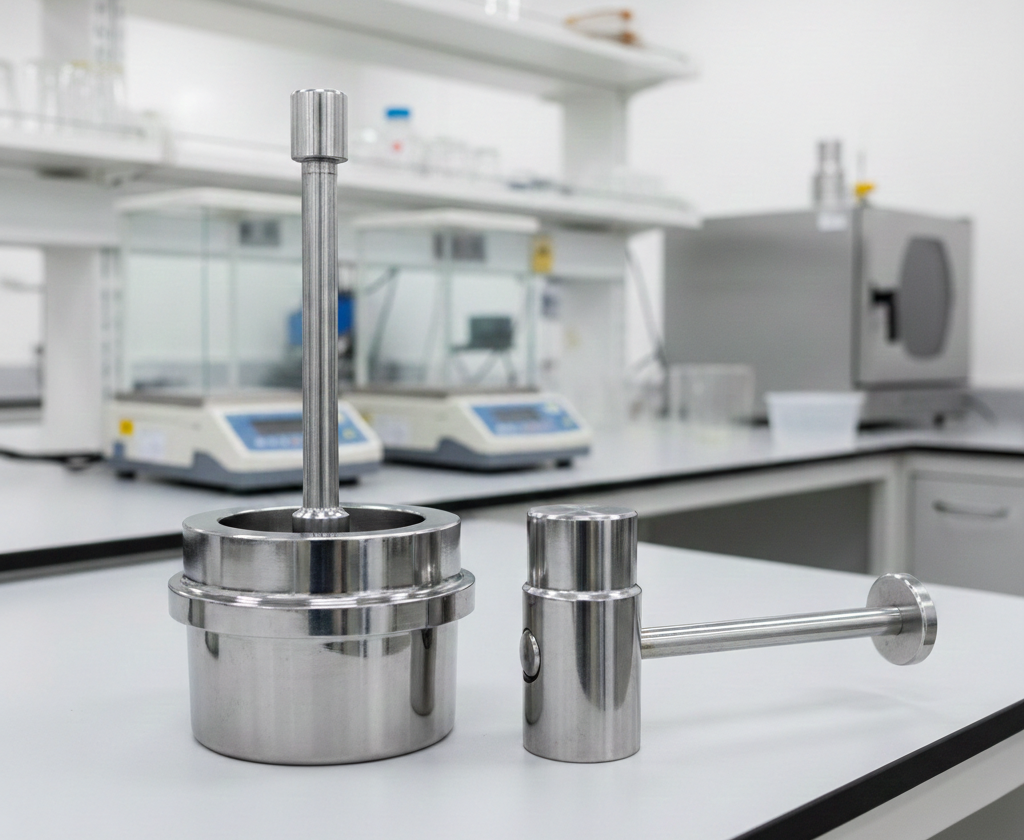
Before construction begins, laboratory compaction tests determine the ideal moisture-density relationship of the soil. The Standard and Modified Proctor tests are commonly used to simulate field compaction efforts under controlled energy levels.
Accurate testing requires precision-engineered tools such as:
- Proctor molds and hammers
- Mechanical soil compactors
- Soil drying ovens
- Moisture content testing tools
Certified MTP offers reliable soil compaction equipment that meets ASTM and AASHTO standards, ensuring test results align with regulatory requirements. When lab equipment is calibrated and durable, it minimizes variability and improves repeatability, two essential components of quality control in material testing.
Field Density Testing: Verifying Real-World Performance
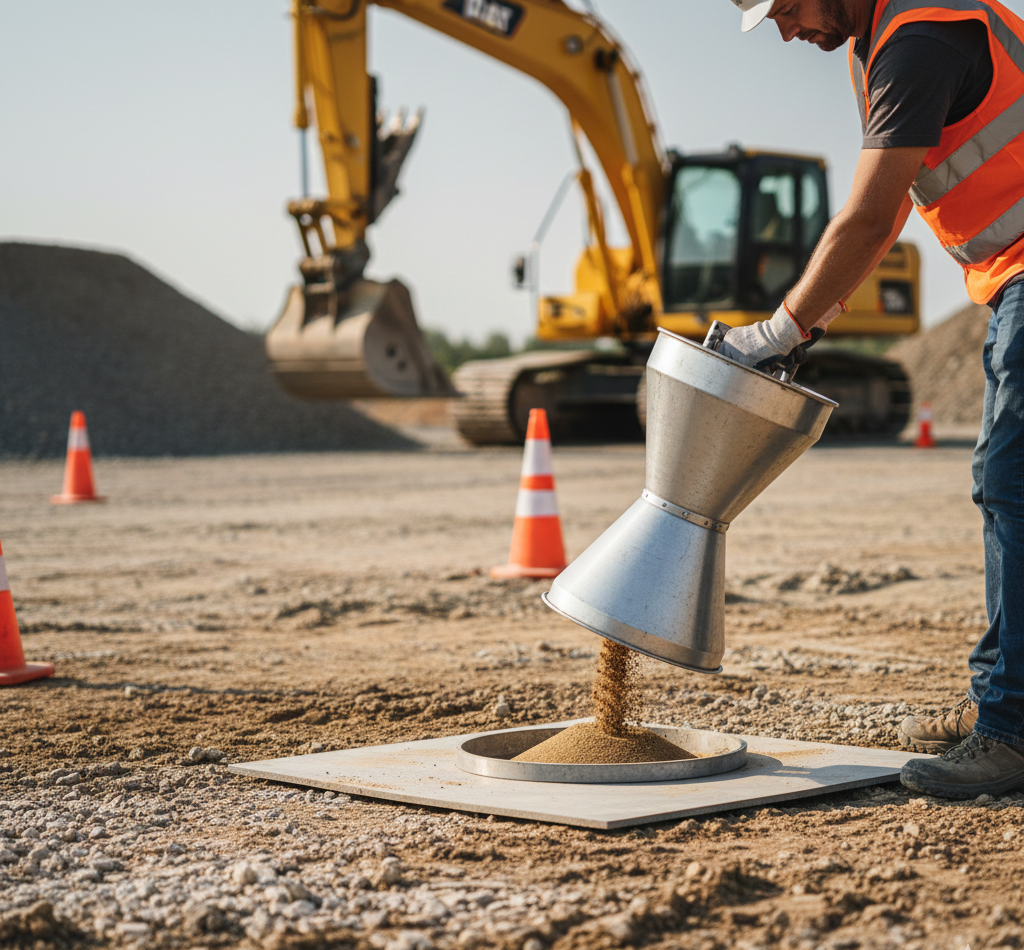
After laboratory benchmarks are established, field testing confirms whether the soil meets specified compaction criteria. This step ensures that the contractor has achieved the required percentage of maximum dry density.
Field verification commonly involves:
- Sand cone apparatus
- Nuclear density gauges
- Drive cylinder methods
Using dependable field density testing equipment is vital for obtaining accurate measurements under varying site conditions. Poorly maintained or inaccurate tools can lead to misleading results, potentially resulting in structural failures or costly remediation.
Certified MTP provides a wide selection of field testing equipment designed for durability and compliance, helping professionals maintain quality assurance standards on job sites.
Moisture Content: The Hidden Variable
Moisture content directly affects compaction efficiency. Too little moisture prevents particles from binding properly, while excessive moisture creates instability and reduces load-bearing capacity.
Reliable moisture analysis methods include:
- Speedy moisture testers
- Drying ovens
- Moisture cans and balances
High-quality moisture testing equipment ensures precise readings, allowing contractors to adjust water content before compaction. This step significantly reduces the risk of under-compaction or over-compaction, both of which compromise structural integrity.
Certified MTP’s range of moisture content testing equipment supports both laboratory and field analysis, helping teams maintain consistency across testing environments.
Why Equipment Quality Matters in Material Testing

Material testing is only as accurate as the equipment used. Inconsistent molds, improperly weighted hammers, or poorly calibrated balances can introduce errors that cascade throughout a project. Small inaccuracies in compaction testing may lead to uneven settlement, pavement cracking, and foundation distress.
Investing in professional-grade construction materials testing equipment reduces these risks. Certified MTP is known for supplying durable, ASTM-compliant equipment that supports reliable data collection and regulatory compliance.
Furthermore, consistent testing procedures using standardized tools improve documentation and traceability—two factors increasingly important in modern construction projects where quality assurance audits are common.
The Role of Soil Testing in Infrastructure Longevity
Infrastructure projects demand long-term reliability. Roads, bridges, airports, and commercial buildings are expected to perform for decades under heavy loads and environmental stress. Improper soil preparation is one of the leading causes of premature infrastructure failure.
By using advanced geotechnical testing equipment, engineers can analyze soil behavior, predict performance, and design accordingly. From compaction testing to shear strength analysis, every step contributes to structural stability.
Certified MTP supports infrastructure development by offering comprehensive geotechnical lab equipment that meets industry standards and withstands rigorous use in professional laboratories.
Compliance with ASTM and AASHTO Standards
Regulatory compliance is not optional in construction. ASTM and AASHTO standards define testing procedures to ensure uniformity and safety across projects nationwide. Using compliant ASTM soil testing equipment ensures that test results are recognized and accepted by regulatory authorities.
Certified MTP specializes in equipment designed to meet these standards, helping professionals maintain compliance while improving testing accuracy.
Proper documentation, supported by reliable testing tools, protects contractors from liability and reinforces project credibility.
Building a Reliable Testing Workflow
A successful soil testing workflow integrates laboratory preparation, field verification, moisture control, and documentation. Each stage relies on dependable tools and calibrated instruments.
By sourcing equipment from a trusted supplier like Certified MTP, construction professionals gain access to:
- Durable lab and field testing tools
- ASTM-compliant equipment
- Expert-backed product selection
- Comprehensive material testing solutions
Whether outfitting a new laboratory or upgrading field kits, selecting reliable material testing lab equipment ensures long-term efficiency and data integrity.
Strong Structures Begin with Strong Foundations
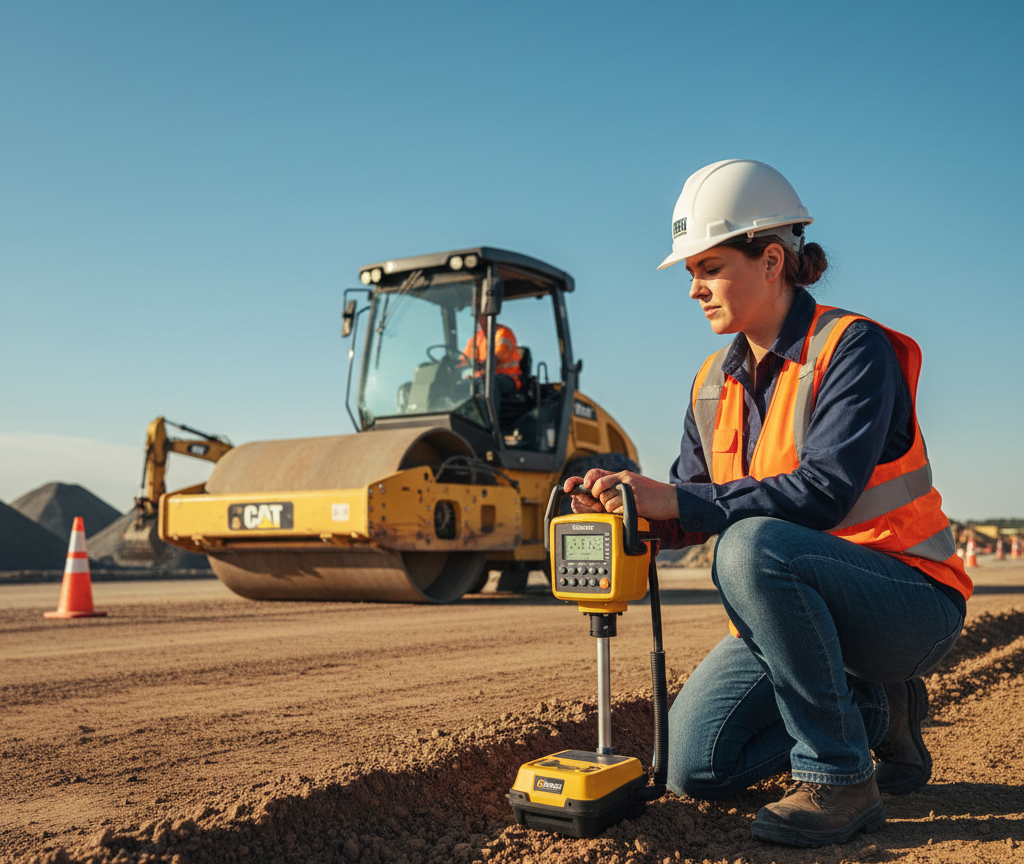
Every successful construction project begins with accurate soil testing. Compaction verification, moisture analysis, and field density testing form the backbone of structural integrity. Without proper testing, projects risk settlement, cracking, and costly repairs.
Investing in high-quality soil testing equipment, Proctor test equipment, and field density testing equipment is not merely a procedural step, it is a safeguard for long-term performance. Certified MTP remains a trusted resource for construction professionals seeking reliable, compliant, and durable testing solutions.
When soil is tested accurately, structures stand stronger, infrastructure lasts longer, and projects meet the highest standards of safety and reliability.
Frequently Asked Questions (FAQs)
1. Why is soil compaction testing important in construction?
Soil compaction testing ensures that the ground beneath a structure can support its intended load without excessive settlement. Proper testing reduces the risk of cracking, shifting, and structural failure while improving long-term durability.
2. What is the difference between Standard Proctor and Modified Proctor tests?
The Standard Proctor test uses lower compaction energy and is typically applied to lighter construction projects. The Modified Proctor test uses higher compaction energy and is suited for highways, airfields, and heavy-load structures. Both tests determine optimum moisture content and maximum dry density.
3. What equipment is required for soil compaction testing?
Essential tools include Proctor molds, compaction hammers, mechanical compactors, moisture testers, drying ovens, sand cone apparatus, and density testing devices. Using ASTM-compliant soil testing equipment ensures accurate and standardized results.
4. How does moisture content affect soil compaction?
Moisture acts as a lubricant between soil particles. Too little moisture prevents proper bonding, while too much reduces strength and stability. Accurate moisture testing helps achieve optimum compaction levels.
5. What standards govern soil compaction testing?
Soil compaction testing typically follows ASTM and AASHTO standards. These guidelines ensure consistent procedures, reliable results, and regulatory compliance across construction projects.
6. How often should soil testing equipment be calibrated?
Calibration frequency depends on usage and project requirements, but regular calibration is essential to maintain accuracy. Professional-grade material testing lab equipment should be checked periodically to ensure compliance and reliable performance.


