

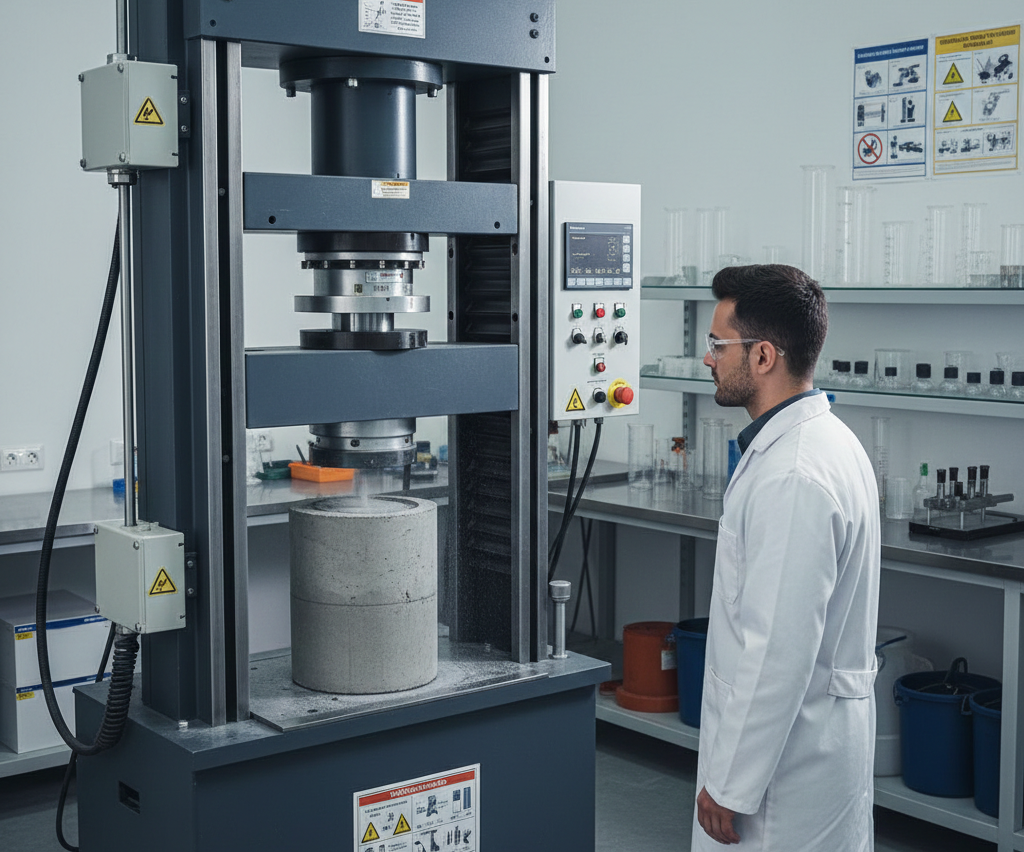
In the construction industry, strength is not assumed; it is measured, verified, and documented. One of the most essential procedures in quality control is Concrete Compressive Strength Testing. This test determines whether concrete can withstand the loads it was designed for, ensuring safety, compliance, and long-term durability. For contractors, engineers, and testing laboratories, understanding how this process works and using the correct concrete testing equipment is fundamental to successful project execution.
At Certified MTP, professionals rely on high-quality, ASTM-compliant tools designed specifically for accurate and repeatable results. You can explore a wide range of industry-grade tools in the Concrete Testing Equipment category, which supports both field and laboratory applications.
Understanding the Purpose of Compressive Strength Testing
Concrete is widely used because of its exceptional compressive capabilities. However, its strength varies depending on mix proportions, curing conditions, aggregate quality, and environmental factors. That is why compressive strength testing is conducted at specific curing intervals typically 7, 14, and 28 days to confirm that the material meets structural design requirements.
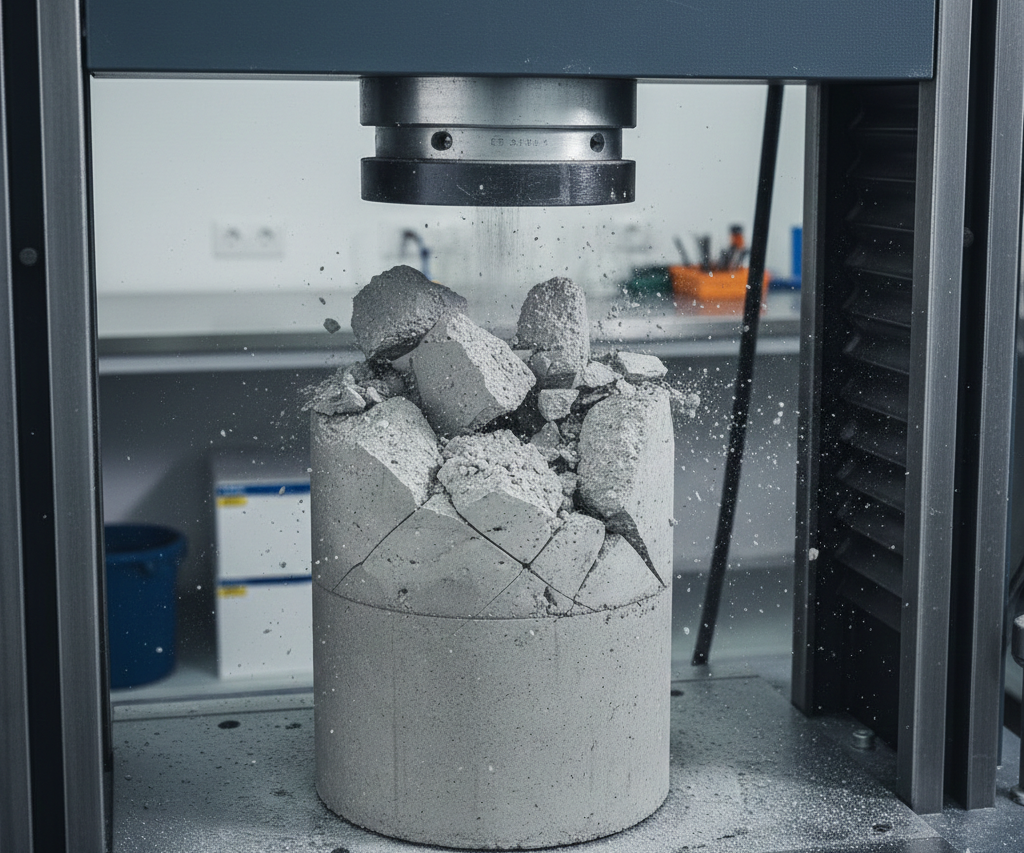
The test involves applying a controlled load to a cylindrical concrete specimen until failure occurs. The maximum load sustained before crushing determines the concrete’s compressive strength, usually expressed in pounds per square inch (psi).
Without proper testing, there is no way to confirm whether a foundation, column, or slab will perform as intended under load conditions. This is why accurate and reliable equipment is not optional, it is critical.
Step-by-Step Process of Concrete Compressive Strength Testing
The process begins in the field during fresh concrete placement. Cylindrical molds are filled with freshly mixed concrete and consolidated to remove air voids. Proper consolidation ensures that the sample accurately represents the in-place concrete. Professionals commonly use tools found in the Fresh Concrete Testing Equipment section to prepare and standardize samples.
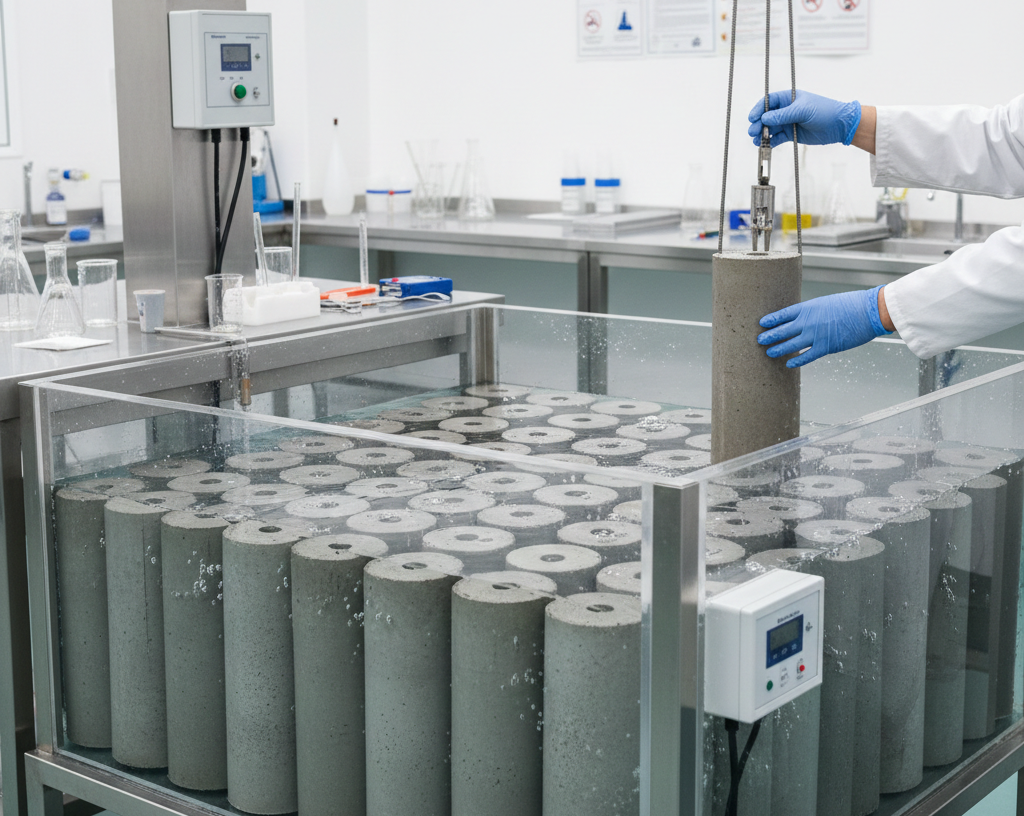
After molding, the specimens are stored under controlled curing conditions. Maintaining the correct temperature and moisture level during curing directly impacts final strength results. Improper curing can lead to inaccurate strength readings, which may falsely indicate structural deficiencies.
Once cured for the designated time period, the cylinders are transported to a laboratory where a compression testing machine applies axial load. The machine must distribute load evenly across the surface of the specimen to avoid stress concentration. High-quality compression machines ensure uniform loading rates and precise digital measurement outputs.
The resulting failure pattern is also analyzed. A proper compressive failure typically displays a conical fracture, confirming correct loading conditions and specimen preparation.
Why Equipment Quality Directly Affects Accuracy

Testing accuracy depends heavily on the quality of equipment used. Inconsistent loading rates, misaligned platens, or poorly calibrated machines can produce misleading results. This is why laboratories invest in reliable systems from trusted suppliers like Certified MTP.
For example, ensuring molds are dimensionally accurate and compliant with ASTM standards is essential. Even small variations in specimen diameter can significantly affect strength calculations. Likewise, curing tanks and temperature-controlled environments must maintain strict consistency to prevent hydration issues.
Beyond compression machines, accessories such as capping sets, neoprene pads, and alignment tools play a crucial role in delivering repeatable and accurate outcomes. You can find supporting accessories and lab essentials within the broader Material Testing Equipment categories offered by Certified MTP.
The Role of Standards and Compliance
Concrete compressive strength testing is governed by ASTM standards, particularly ASTM C39 for testing hardened concrete cylinders. Compliance ensures uniform procedures across projects, laboratories, and jurisdictions.
Following standard protocols is not merely a regulatory requirement it protects project stakeholders. When results are documented using certified equipment and recognized procedures, liability risks are reduced, and confidence in structural integrity increases.
Professionals working on highways, commercial buildings, bridges, and residential foundations all rely on standardized testing to confirm performance expectations.
Common Factors That Influence Test Results
While the testing machine itself is important, several additional factors influence compressive strength outcomes. These include improper sampling techniques, inconsistent curing conditions, inadequate consolidation during molding, and delayed testing intervals.
Environmental conditions also matter. High heat during curing can accelerate hydration, while low temperatures may slow strength development. Therefore, maintaining controlled curing environments is essential for accurate representation of real-world performance.
Additionally, aggregate quality and mix design ratios determine baseline strength potential. Testing not only verifies compliance but also helps engineers refine future mix designs for improved durability and cost efficiency.
Why Compressive Strength Testing Matters in Modern Construction
Modern construction demands performance, durability, and sustainability. Structural failures can result in catastrophic financial and safety consequences. By conducting routine compressive strength tests, contractors and engineers confirm that structures can withstand design loads safely.
Testing also supports innovation. As new admixtures, recycled aggregates, and sustainable cement alternatives are introduced into the industry, laboratory verification ensures these materials meet structural expectations before widespread adoption.
Reliable strength data builds trust among project stakeholders from architects and engineers to inspectors and regulatory bodies.
Investing in Reliable Testing Solutions
Choosing the right equipment supplier is just as important as following the right testing procedures. Certified MTP provides durable, high-performance testing systems designed to meet industry demands. Whether you need compression machines, curing tanks, slump test kits, or supporting lab accessories, their comprehensive inventory supports accurate and compliant testing practices.
When strength matters and in construction it always does dependable testing equipment becomes the backbone of structural assurance.
FAQs About Concrete Compressive Strength Testing
What is the standard curing time for compressive strength testing?
Concrete cylinders are typically tested at 7 and 28 days, with the 28-day test serving as the primary benchmark for structural compliance.
Why is compressive strength measured in psi?
Compressive strength is expressed in pounds per square inch (psi) to indicate how much load the concrete can withstand before failure.
Can improper curing affect test results?
Yes. Inconsistent temperature or moisture during curing can significantly alter hydration and produce inaccurate strength values.
What happens if concrete fails a compressive strength test?
If results fall below required specifications, additional testing may be conducted, and structural engineers will evaluate whether remediation is necessary.
Where can I find ASTM-compliant concrete testing equipment?
You can explore a wide range of compliant tools and machines in the Concrete Testing Equipment section at Certified MTP.


