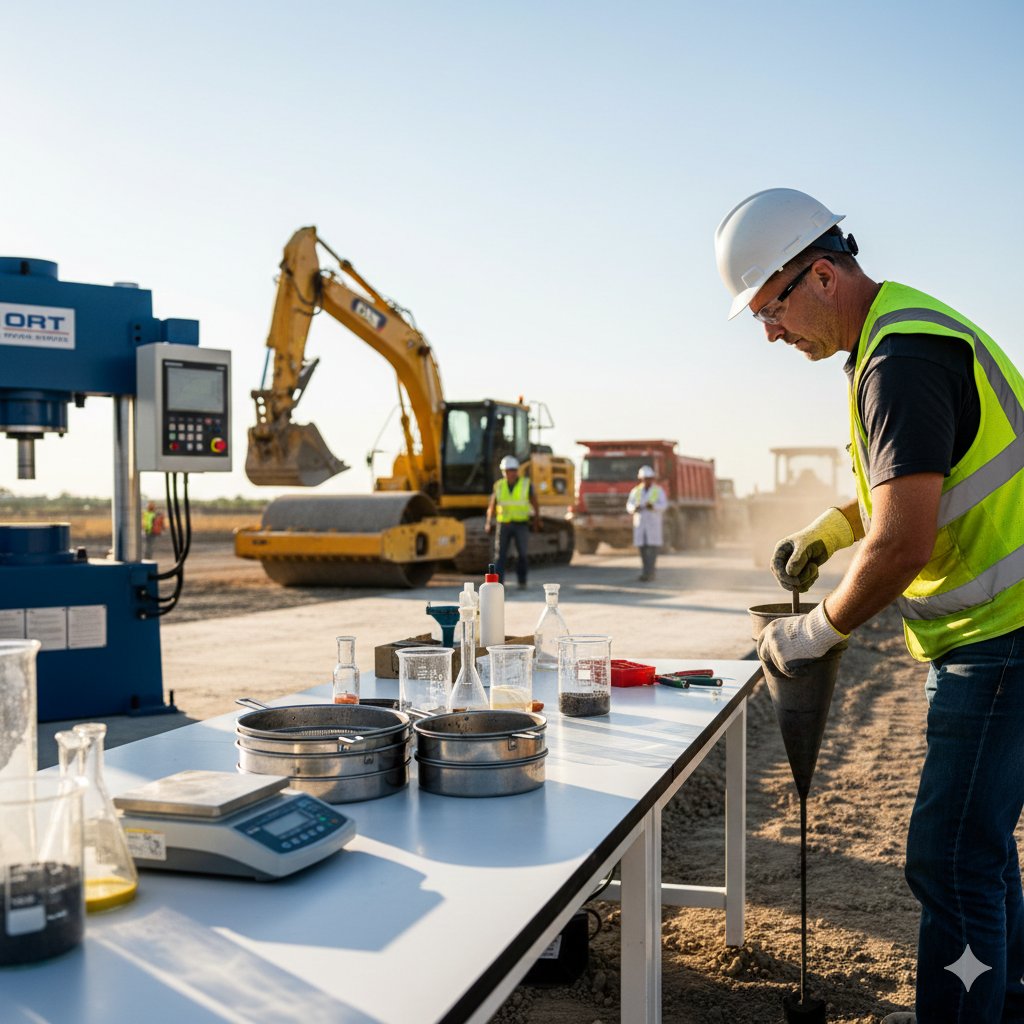
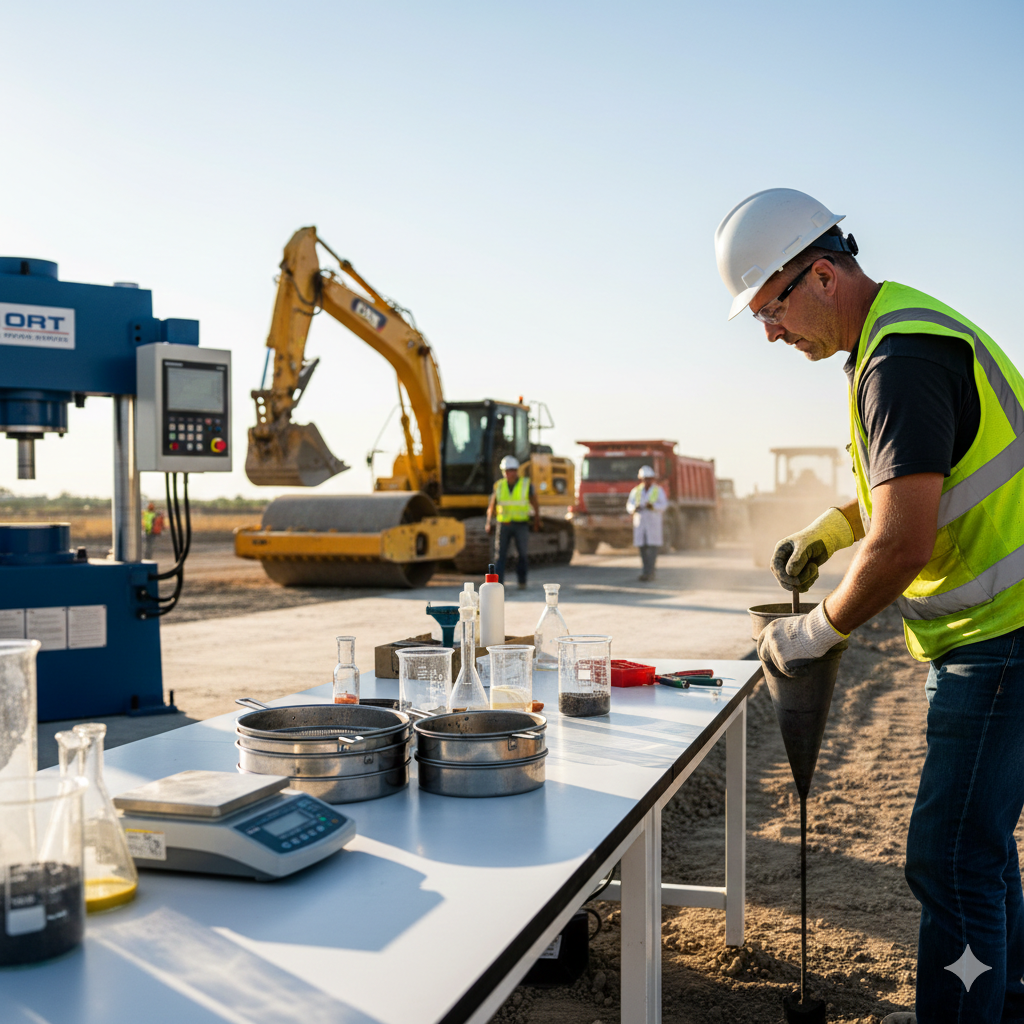
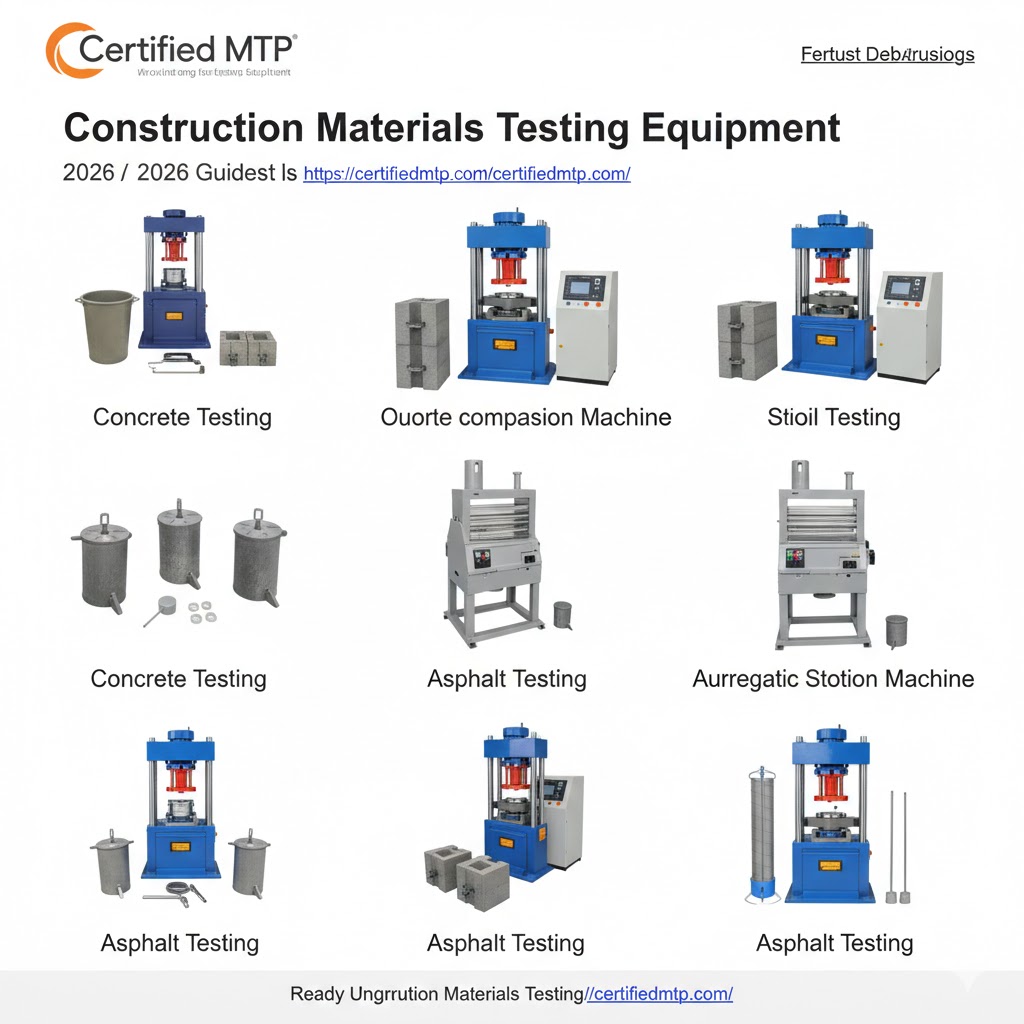
In the fast-paced world of civil engineering and infrastructure, the margin for error is zero. As we move through 2025, the demand for high-precision data, environmental sustainability, and strict regulatory compliance has never been higher. Whether you are establishing a new laboratory or upgrading an existing field kit, choosing the right construction materials testing equipment is the most critical investment your firm will make this year.
This guide provides a strategic deep dive into essential testing categories, modern industry trends, and how to select tools that meet the rigorous ASTM and AASHTO standards required for project success.
Why Quality Testing Equipment is the Foundation of 2025 Projects
With the global push toward “smart” infrastructure and the integration of recycled materials into concrete and asphalt, basic testing is no longer a checkbox—it is a competitive advantage. Modern projects require:
- Structural Integrity: Verifying that innovative mixes can withstand projected loads.
- Risk Mitigation: Using data to prevent mid-construction failures that lead to litigation.
Material Efficiency: Optimizing mixes to reduce carbon footprints without sacrificing strength.
1. Concrete Testing: Ensuring Strength and Longevity
Concrete remains the primary building block of modern civilization. To ensure its performance, labs must be equipped to analyze both its fluid state and its ultimate hardened strength.
Fresh Concrete Analysis
Accurate field results begin with the concrete slump test. While a simple test, it is the industry’s first line of defense against poor workability and incorrect water-to-cement ratios. In 2025, the use of high-performance chemical admixtures makes precision slump cones and tamping rods more vital than ever for verifying mix consistency before a pour.
Hardened Strength Testing
For laboratory analysis, the gold standard is the concrete compression machine. Modern machines now feature digital interfaces that eliminate manual calculation errors, providing a direct readout of PSI and peak load. To support these tests, professionals must utilize high-quality concrete test molds and climate-controlled curing tanks to ensure every specimen is treated according to ASTM C31 standards.
2. Soil & Foundation Testing: Stability Starts Deep
No structure is better than the ground it sits on. As urban development moves toward more “difficult” terrains, soil testing equipment has become increasingly sophisticated.
Compaction and Density
The Proctor compaction test remains essential for determining the relationship between moisture content and dry unit weight. Achieving 95% or higher compaction is non-negotiable for roadbases and foundations. To verify these results in the field, technicians often rely on sand cone density apparatus for a physical, highly reliable measurement of in-place density.
Classification and Sampling
Understanding soil behavior requires accurate soil classification. From Atterberg limits to shear strength, the process begins with proper sampling. Investing in high-grade augers and samplers ensures that the specimens reaching your lab are representative of the site’s true conditions.

3. Aggregate Testing: The Science of Sizing
Aggregates typically make up 60% to 75% of a concrete mix. Their size, shape, and durability are the “DNA” of the final structure.
Sieve Analysis and Graduation
Determining particle size distribution is a fundamental task. High-precision stainless steel test sieves are required to meet ASTM E11 specifications. For high-volume labs, an automatic sieve shaker is an essential upgrade for 2025. These machines provide consistent, repeatable agitation that manual shaking simply cannot match, significantly reducing human error and labor costs.
Durability and Shape
Beyond size, the mechanical properties of aggregates are tested using Los Angeles Abrasion machines and Micro-Deval apparatus. These tools simulate the wear and tear aggregates will experience over decades of traffic or environmental exposure.
4. Asphalt and Bitumen: The Future of Pavements
As the industry moves toward “Warm Mix Asphalt” (WMA) and increased “Recycled Asphalt Pavement” (RAP), asphalt testing equipment must be more precise than ever.
- Marshall Testing: Still widely used for determining the stability and flow of bituminous mixtures.
- Binder Extraction: Essential for verifying that the asphalt cement content aligns with the job-mix formula, preventing common issues like rutting or cracking.
- Ductility and Softening Point: Crucial for understanding how asphalt binders will behave in extreme temperature fluctuations.
Strategic Buyer’s Checklist for 2025
A. Full Standards Compliance
The fastest way to lose a contract or fail an audit is by using non-compliant gear. Always ensure your tools are designed to meet ASTM and AASHTO standards. At Certified MTP, every piece of equipment is vetted to ensure it meets the technical tolerances required by international building codes.
B. Digital Integration and Data Logging
In 2025, the “Digital Lab” is the standard. Look for equipment with built-in data logging capabilities. The ability to export test results directly to a PDF or CSV file not only saves time but creates an unalterable “digital paper trail” that is invaluable during project audits.
C. Build Quality and Material Choice
Construction testing is a “contact sport.” Equipment is dropped, exposed to moisture, and subjected to constant vibration. Prioritize:
- Stainless Steel vs. Brass: Stainless steel sieves offer better longevity and corrosion resistance.
- Powder Coating: Ensure heavy machinery frames are powder-coated to prevent rust.
- Availability of Parts: Choose a supplier like Certified MTP that stocks lab supplies and replacement parts, ensuring your lab never experiences downtime due to a broken accessory.
D. Calibration and Serviceability
Testing equipment is only as good as its last calibration. Ensure the tools you buy are easy to calibrate and that you have access to the necessary calibration weights, proving rings, or load cells required to maintain accuracy.