

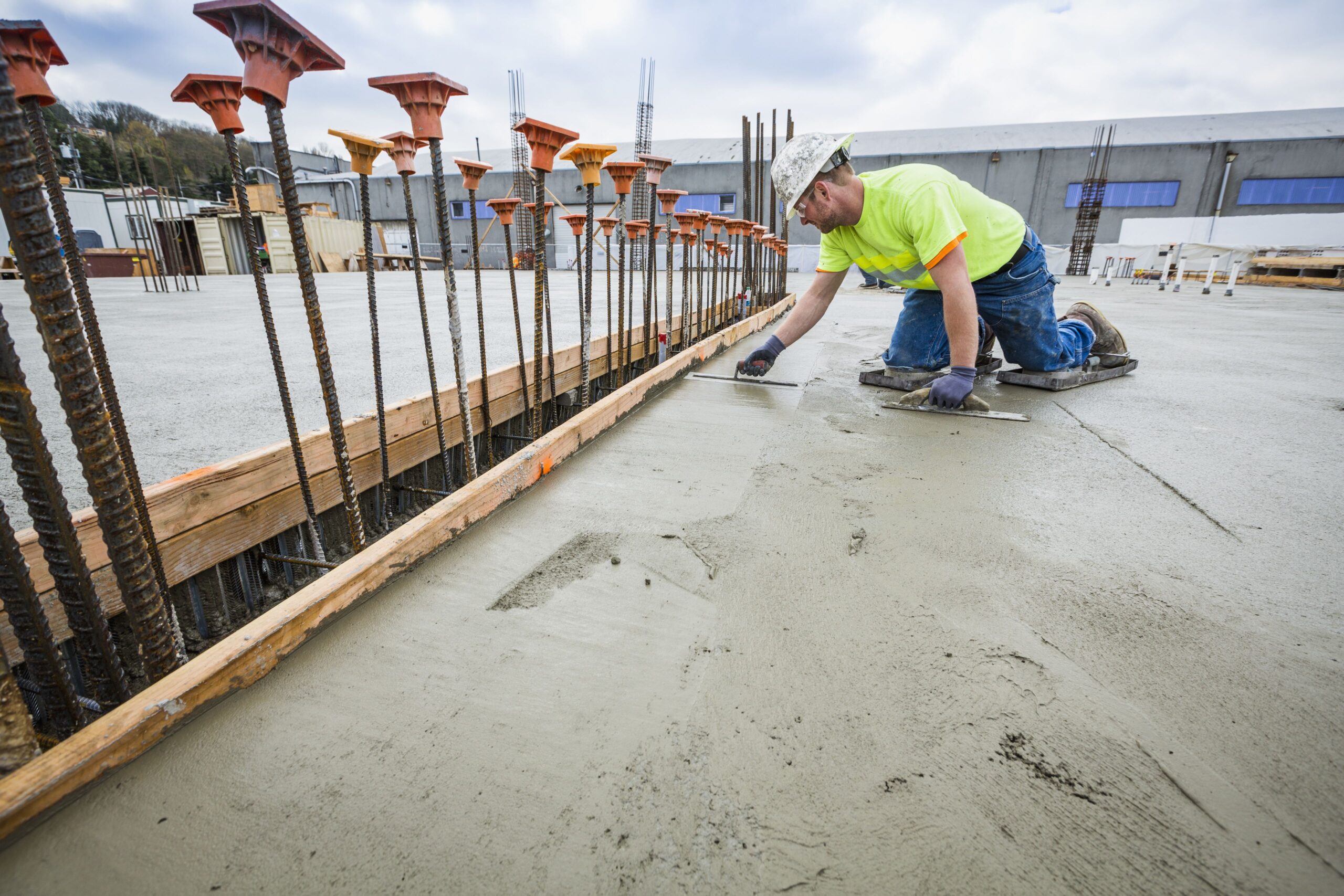
Concrete curing is one of the most critical phases of concrete construction, yet it is often underestimated or rushed on job sites. While proper mix design and placement receive significant attention, curing is what ultimately allows concrete to develop the strength and durability it was designed for. Without adequate curing, even well-designed concrete mixes can suffer from cracking, reduced strength, and long-term performance issues.
This educational guide explains how to cure concrete properly, why curing is essential, and how concrete testing methods help verify whether curing practices are effective.
Understanding the Concrete Curing Process
Concrete curing refers to maintaining suitable moisture and temperature conditions so the cement hydration process can continue uninterrupted. Hydration is the chemical
reaction between cement and water that allows concrete to harden and gain strength over time. If moisture is lost too quickly or temperatures fall outside acceptable ranges, hydration slows or stops, leaving the concrete weaker than intended.
Curing does not end once the surface appears hard. Strength development continues for weeks after placement, which is why proper curing practices are closely linked to compressive strength results measured later using concrete testing equipment such as cylinder molds and compression testing machines.
Why Proper Concrete Curing Matters
Proper curing plays a direct role in the long-term performance of concrete structures. Concrete that is cured correctly develops higher compressive strength, improved abrasion resistance, and better resistance to weathering and chemical exposure. In contrast, poorly cured concrete may exhibit surface dusting, shrinkage cracks, and premature deterioration.
From a quality control perspective, curing also impacts test results. Concrete specimens that are improperly cured may fail to meet strength requirements even if the mix design is correct. This makes curing not just a construction concern, but a testing and compliance issue as well.
Common Methods Used to Cure Concrete
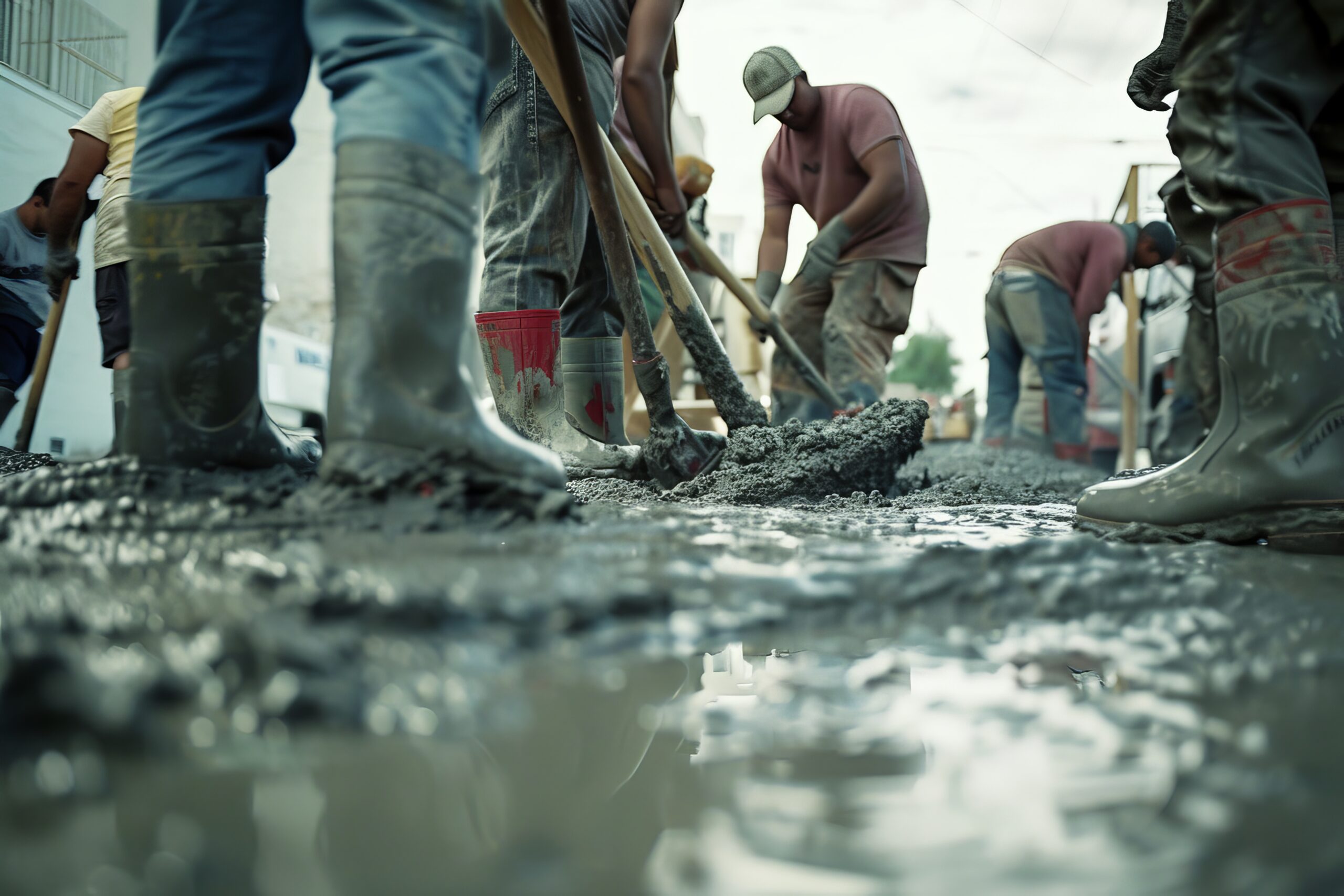
One of the most traditional and effective curing methods is water curing. This approach keeps the concrete surface continuously moist through ponding, spraying, or wet coverings such as burlap. Water curing is especially effective for slabs and pavements, as it supports uninterrupted hydration and reduces the risk of early-age cracking.
Plastic sheet curing is another commonly used technique, particularly when water curing is impractical. Plastic sheets or polyethylene films are placed over the concrete surface to minimize moisture loss. While this method is simple and cost-effective, it requires careful placement to prevent uneven curing or surface discoloration.
Curing compounds are frequently used on large construction projects where speed and efficiency are critical. These liquid compounds are sprayed onto freshly placed concrete to form a membrane that retains moisture. While curing compounds reduce labor requirements, proper application is essential to ensure uniform coverage and effective curing.
In cold weather conditions, insulated curing blankets are often necessary to maintain adequate concrete temperatures. These blankets protect fresh concrete from freezing and help maintain consistent hydration during early strength development. Cold-weather curing is typically followed by strength verification using compressive strength testing equipment.
How Long Concrete Should Be Cured
The duration of curing depends on environmental conditions, cement type, and project specifications. In general, concrete should be cured for a minimum of seven days under normal conditions. Structural concrete elements often benefit from curing periods extending to fourteen or even twenty-eight days.
Strength development is commonly evaluated at specific intervals, such as seven and twenty-eight days, using concrete cylinders prepared during placement. These specimens are cured under controlled conditions and later tested to confirm whether curing practices supported proper strength gain
The Role of Concrete Testing in Verifying Curing Quality
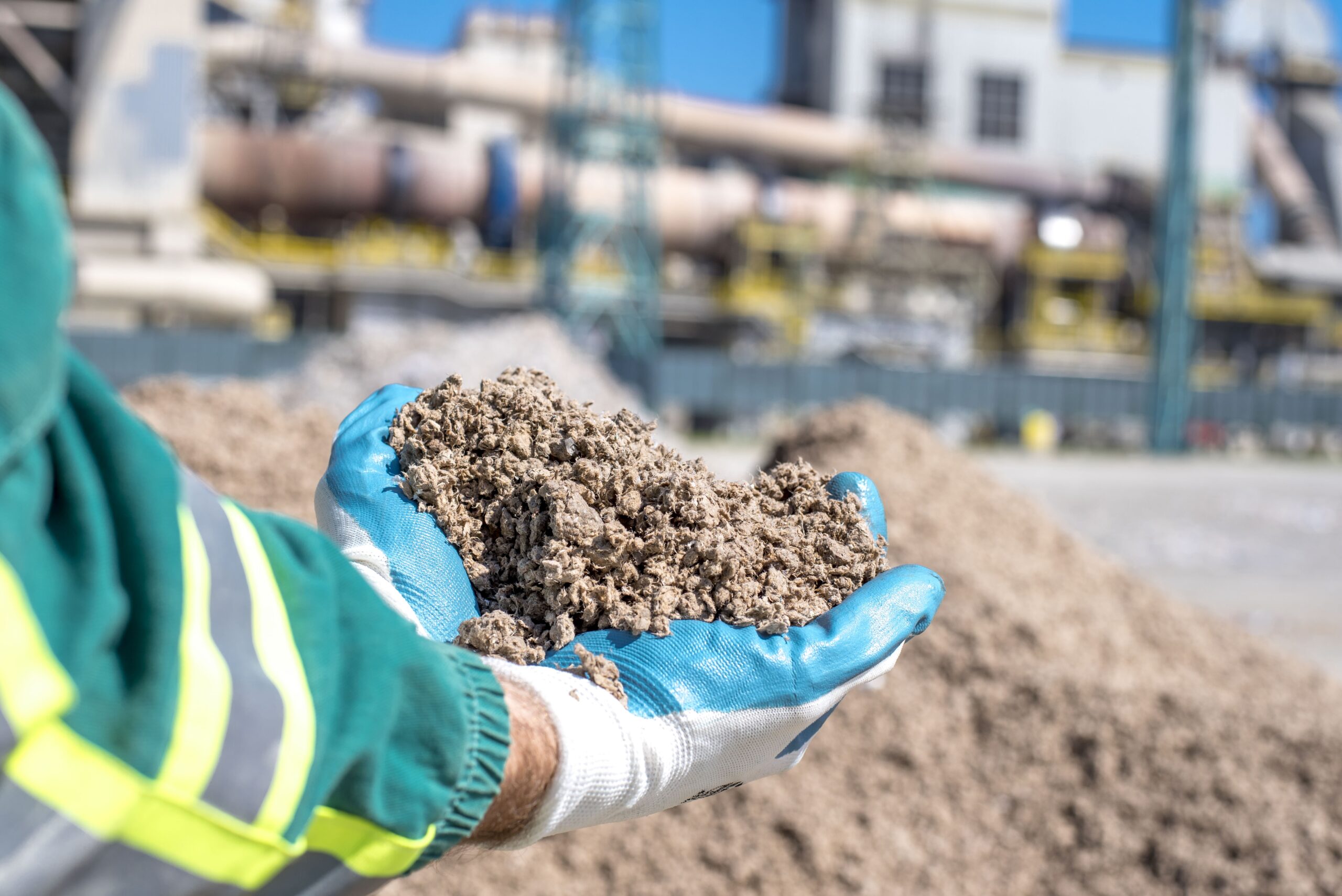
Concrete testing plays a vital role in determining whether curing methods are effective. Compressive strength testing is the most common way to evaluate curing performance, as strength gain is directly influenced by moisture and temperature control during curing.
Concrete specimens are typically stored in curing tanks or curing rooms that maintain consistent temperature and humidity. These controlled environments allow test results to reflect the true potential strength of the concrete. Reliable concrete testing equipment ensures that curing-related decisions are based on accurate and repeatable data rather than visual inspection alone.
Common Curing Mistakes and Their Impact
Improper curing practices can quickly undermine concrete performance. Allowing concrete to dry too soon, failing to protect it from extreme temperatures, or stopping curing prematurely are common mistakes that lead to reduced strength and durability.
Uneven curing can also result in inconsistent test results, making it difficult to determine whether concrete meets project specifications.
Many of these issues can be identified early through routine testing and monitoring, allowing corrective actions to be taken before structural performance is compromised.
Industry Standards That Guide Concrete Curing
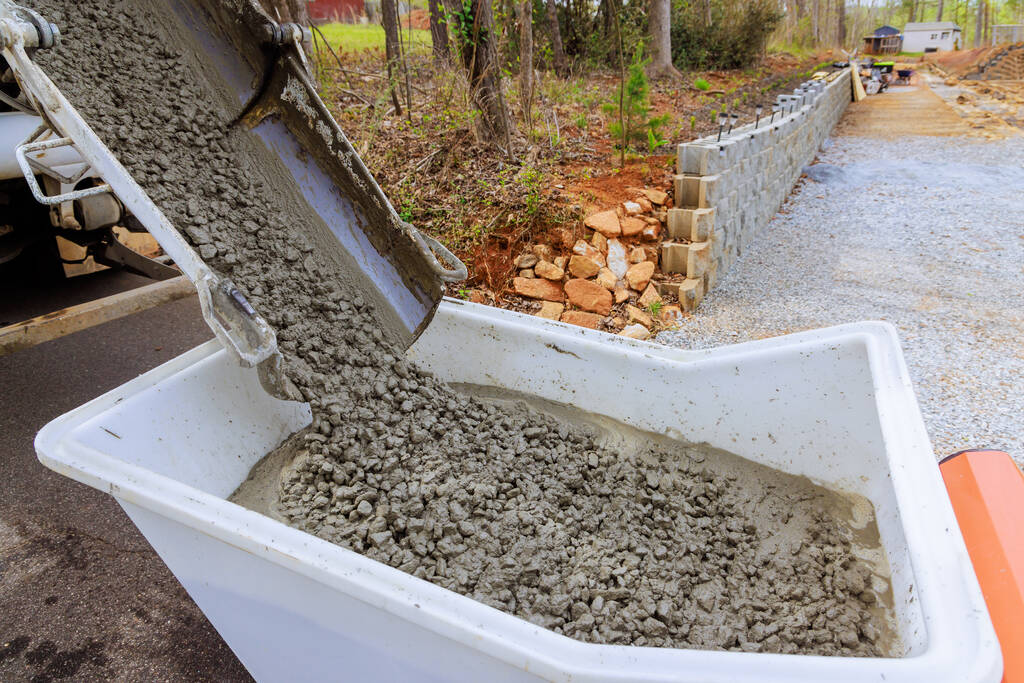
Concrete curing and testing procedures are governed by standards published by ASTM International. These standards define proper methods for curing test specimens, maintaining curing environments, and conducting strength tests. Following these guidelines ensures consistency across projects and supports compliance with inspection and regulatory requirements.
FAQs About Concrete Curing and Testing
Why is curing so important for concrete strength?
Curing allows cement hydration to continue, which directly affects strength development and durability.
How does curing affect compressive strength test results?
Poor curing conditions can significantly reduce measured strength, even if the mix design is correct.
Is curing required for all concrete projects?
Yes, all concrete benefits from curing, regardless of size or application.
Can curing problems be detected through testing?
Yes, compressive strength testing often reveals issues caused by inadequate curing.
Does longer curing always improve concrete performance?
Extended curing generally improves strength, but practical limits depend on project requirements and conditions.
Final Thoughts
Proper concrete curing is essential for achieving the strength, durability, and reliability expected from modern construction projects. Understanding how to cure concrete properly and verifying curing effectiveness through accurate testing helps prevent failures and ensures long-term performance.
By combining sound curing practices with reliable concrete testing methods, construction professionals can confidently deliver concrete that performs as designed, both in the field and in the laboratory.


