

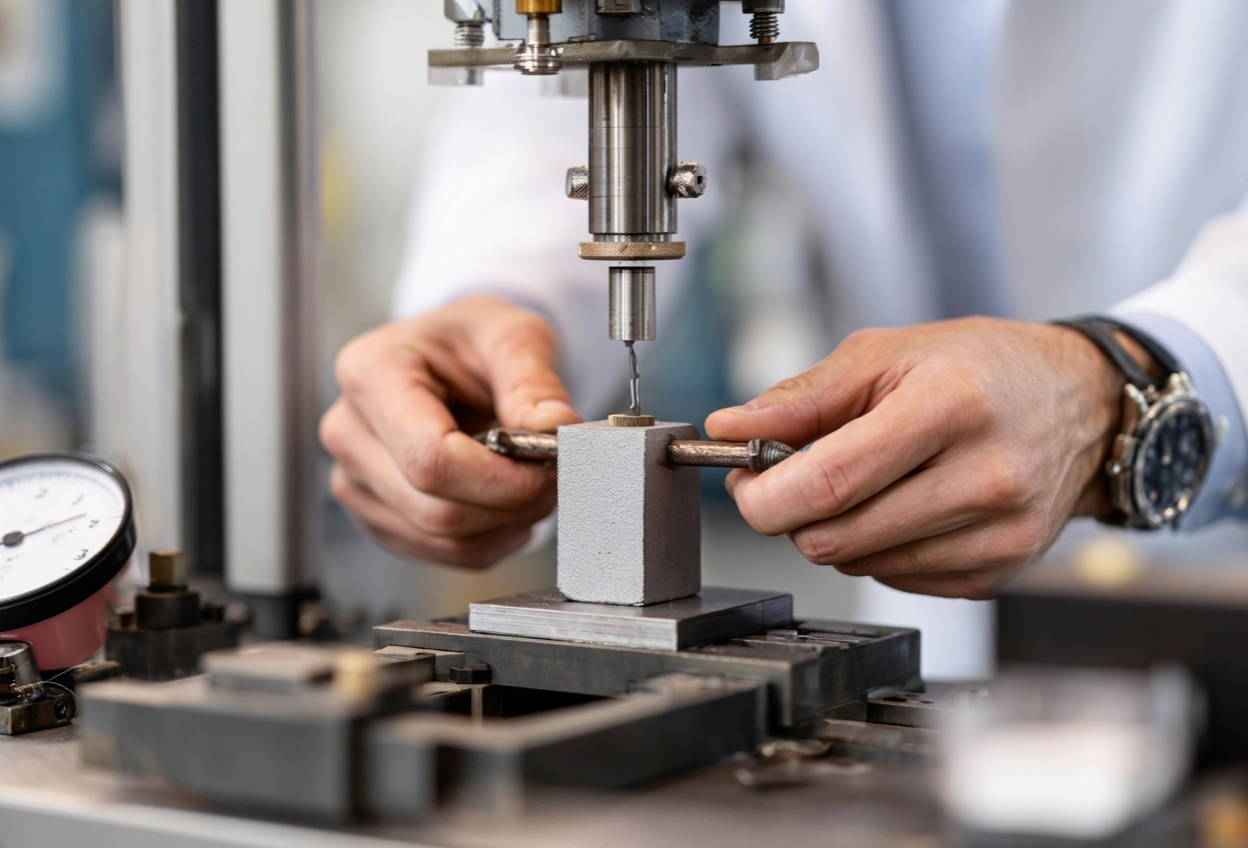
In construction, success is not just about design, materials, or skilled labor it is about certainty. Every structure, whether a residential home or a large-scale infrastructure project, depends on materials that must perform reliably under stress, environmental changes, and time. This is why construction material testing equipment is not just helpful, it is essential.
Without proper testing, construction projects operate on assumptions rather than facts. Even small inaccuracies in material quality can lead to structural weaknesses, safety risks, and expensive repairs. Testing equipment provides the data needed to validate material performance, ensuring that every component of a project meets required standards.
In this article, we explore the must-have testing equipment that every construction lab and project should rely on for accurate, safe, and dependable results.
Why Reliable Testing Equipment Matters
Construction is an industry where precision directly impacts safety. Every material used in a project must be tested to confirm its strength, durability, and suitability for specific conditions. Testing equipment allows engineers and contractors to measure these properties with accuracy, eliminating guesswork from the process.
Reliable testing ensures that materials meet industry standards such as ASTM and AASHTO. It also helps prevent failures that could lead to costly delays or dangerous outcomes. By using high-quality testing tools, construction professionals can maintain consistency, improve efficiency, and deliver projects that stand the test of time.
Moreover, testing equipment supports quality control throughout the construction lifecycle. From initial site analysis to final inspections, it ensures that materials perform as expected at every stage.
Soil Testing Equipment: Building on a Strong Foundation
Every construction project begins with the ground beneath it. Soil testing equipment plays a crucial role in determining whether the soil can support the structure being built. It provides insights into properties such as density, moisture content, and load-bearing capacity.
Without proper soil testing, structures may experience issues like uneven settlement, foundation cracks, or instability over time. These problems can compromise safety and lead to significant repair costs.
High-quality soil testing tools allow engineers to make informed decisions about foundation design and soil stabilization.
Concrete Testing Equipment: Ensuring Structural Strength
Concrete is one of the most widely used materials in construction, making its testing essential for reliable results. Concrete testing equipment is used to evaluate compressive strength, workability, and air content, all of which influence the material’s performance.
Testing ensures that the concrete mix is suitable for its intended application and capable of withstanding the loads it will encounter. It also helps identify potential issues early, allowing adjustments to be made before the material is fully set.
Without proper testing, concrete structures may develop cracks, lose strength, or fail prematurely. By using accurate and reliable testing equipment, construction teams can ensure that their projects meet safety and durability standards.
Aggregate Testing Equipment: Maintaining Consistency
Aggregates are a key component of both concrete and asphalt, and their quality directly affects the strength and stability of the final structure. Testing equipment is used to analyze properties such as particle size distribution, density, and moisture content.
These tests help ensure that aggregates meet required specifications and contribute to a consistent mix design. Poor-quality aggregates can lead to weak bonding, reduced durability, and structural inconsistencies.
By investing in reliable aggregate testing tools, construction professionals can maintain high standards of quality and avoid potential issues that may arise from material inconsistencies.
Asphalt Testing Equipment: Creating Durable Surfaces
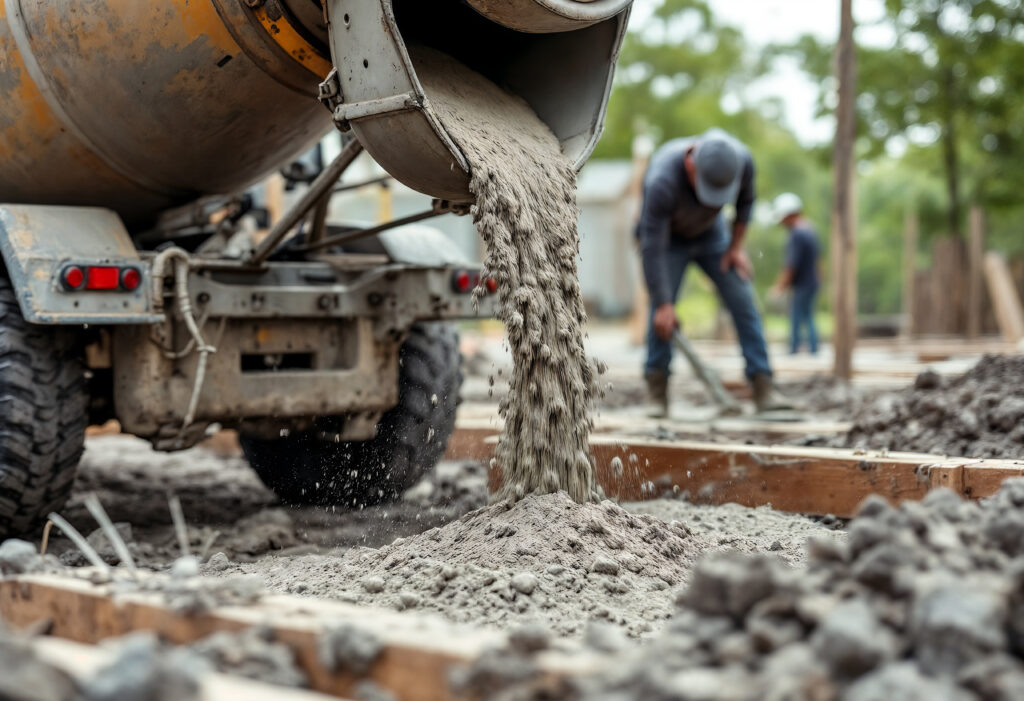
Asphalt is widely used in road construction and paving projects, where durability and performance are critical. Testing equipment helps evaluate properties such as stability, flexibility, and resistance to deformation.
These tests ensure that asphalt mixtures are capable of withstanding traffic loads and environmental conditions. Proper testing also helps extend the lifespan of roads, reducing maintenance costs and improving safety.
Without accurate testing, asphalt surfaces may deteriorate quickly, leading to frequent repairs and disruptions. Reliable testing equipment allows engineers to design and implement solutions that deliver long-lasting results.
Cement Testing Equipment: Ensuring Strong Bonds
Cement is the binding agent that holds construction materials together, making its quality essential for structural integrity. Testing equipment is used to measure properties such as setting time, fineness, and strength.
These tests ensure that cement performs consistently and contributes to the overall durability of the structure. Poor-quality cement can result in weak bonding, cracks, and long-term performance issues.
By incorporating proper cement testing into the construction process, professionals can maintain high standards of quality and ensure reliable outcomes.
The Role of Modern Technology in Testing Equipment
Advancements in technology have transformed construction material testing equipment, making it more efficient and accurate than ever before. Modern tools now feature digital interfaces, automated data collection, and real-time analysis capabilities.
These innovations reduce human error and improve the reliability of test results. Portable testing equipment has also made it easier to conduct on-site analysis, providing immediate insights without the need for extensive laboratory setups.
As technology continues to evolve, testing equipment will play an increasingly important role in improving construction practices and ensuring better project outcomes.
Choosing the Right Testing Equipment for Your Needs
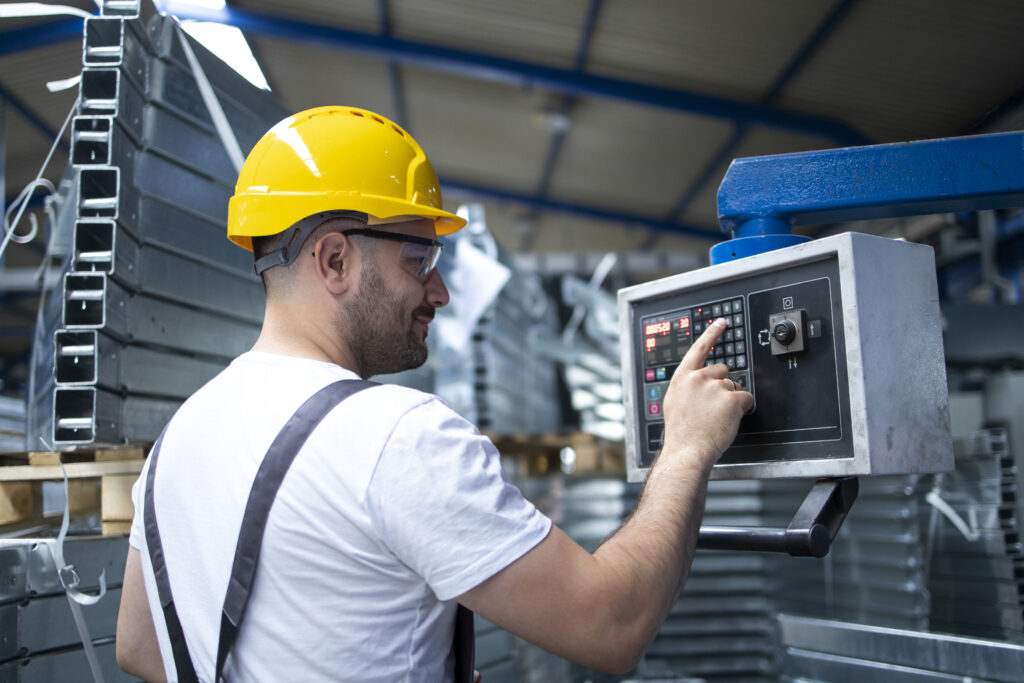
Selecting the right testing equipment is crucial for achieving accurate and reliable results. Factors such as precision, durability, and compliance with industry standards should be carefully considered.
High-quality equipment not only provides better results but also offers long-term value by reducing maintenance and replacement costs. Working with trusted suppliers ensures access to tools that meet professional requirements.
For a comprehensive range of construction material testing equipment, https://certifiedmtp.com/ provides reliable solutions designed to support accuracy, efficiency, and compliance across various applications.
The Long-Term Impact of Reliable Testing
Investing in reliable testing equipment has far-reaching benefits. Accurate testing leads to better decision-making, improved safety, and higher-quality construction outcomes.
It also helps maintain compliance with industry standards, reducing the risk of penalties and delays. Over time, the use of high-quality testing tools contributes to stronger, more durable structures that require less maintenance.
Most importantly, reliable testing builds trust. Clients, stakeholders, and communities can have confidence in structures that are backed by thorough testing and proven performance.
Final Thoughts
In construction, there is no substitute for accuracy and reliability. Testing equipment provides the foundation for both, ensuring that every material used in a project meets the highest standards of quality and performance.
From soil analysis to concrete evaluation, each type of testing equipment plays a vital role in the success of a project. By prioritizing proper testing and investing in high-quality tools, construction professionals can deliver results that are safe, durable, and built to last.
Simply put, if you want reliable results, you can’t afford to build without it.
Frequently Asked Questions (FAQs)
What is the purpose of construction material testing equipment?
Construction material testing equipment is used to evaluate the strength, durability, and performance of materials such as soil, concrete, aggregates, asphalt, and cement before and during construction.
Why is testing equipment important for reliable results?
Testing equipment ensures that materials meet required standards and perform as expected, reducing the risk of structural failures and improving overall project quality.
What are the essential types of testing equipment in construction?
Essential testing equipment includes tools for soil testing, concrete testing, aggregate analysis, asphalt evaluation, and cement testing, each serving a specific purpose in quality control.
How does testing equipment improve construction safety?
By identifying material weaknesses and ensuring compliance with standards, testing equipment helps prevent structural failures and enhances the safety of buildings and infrastructure.
Where can I find high-quality testing equipment?
You can explore a wide range of reliable and industry-compliant testing tools at https://certifiedmtp.com/, a trusted source for construction material testing equipment.


