


How many significant figures should you use when reading a graduated cylinder? This decisive question impacts the accuracy of your liquid measurements. This concise guide gives you the essentials on applying ‘graduated cylinder sig figs’ to ensure precision and reliability in your scientific endeavors.
Key Takeaways
-
Significant figures (graduated cylinder sig figs) represent the precision in a measured number, helping to determine how certain a measurement is by indicating which digits are meaningful based on established rules and the context of the measurement.
-
Graduated cylinder sig figs are needed for precise volume measurement of liquids and come in various sizes with calibration to either ‘to contain’ (TC) or ‘to deliver’ (TD); reading them accurately involves aligning eyes with the meniscus level and estimating the last digit for precision.
-
When performing calculations with measurements from graduated cylinders, it’s important to maintain precision by adhering to the rules of significant figures, adjusting decimal places in addition/subtraction and matching the number of significant digits in multiplication/division with the least precise measurement.
Understanding Graduated Cylinder Sig Figs and Graduated Cylinders

Delve into the universe of two significant figures: (or “graduated cylinder sig figs”) and graduated cylinders. These elements are pivotal to volume measurement accuracy. But what exactly are they? And why do they play such a vital role in scientific volume measurements anyway? Let’s unravel these mysteries.
What are Significant Figures?
Significant figures are the superheroes of scientific measurements. They represent the precision of measured values, telling us which digits in a number are meaningful and reliable. In essence, significant figures, such as a significant figure, two or three significant figures each, or four significant figures, help us understand how certain or uncertain a measurement is, turning a simple number into a wealth of information about the precision of a measurement. But, how many significant figures should be used in a particular situation depends on the context and the level of precision required.
But how do we determine the proper number of significant figures in a number? It’s all about following a set of rules. Nonzero digits are always the four significant figures, and trailing zeros are significant if they are to the right of a decimal point or contextually indicated as measured values. So, a number like 300.00 has five significant figures, while 300 has only one, despite being the same value. It’s clear that significant figures add a layer of precision to our measurements.
Graduated Cylinders: Measuring Liquid Volume
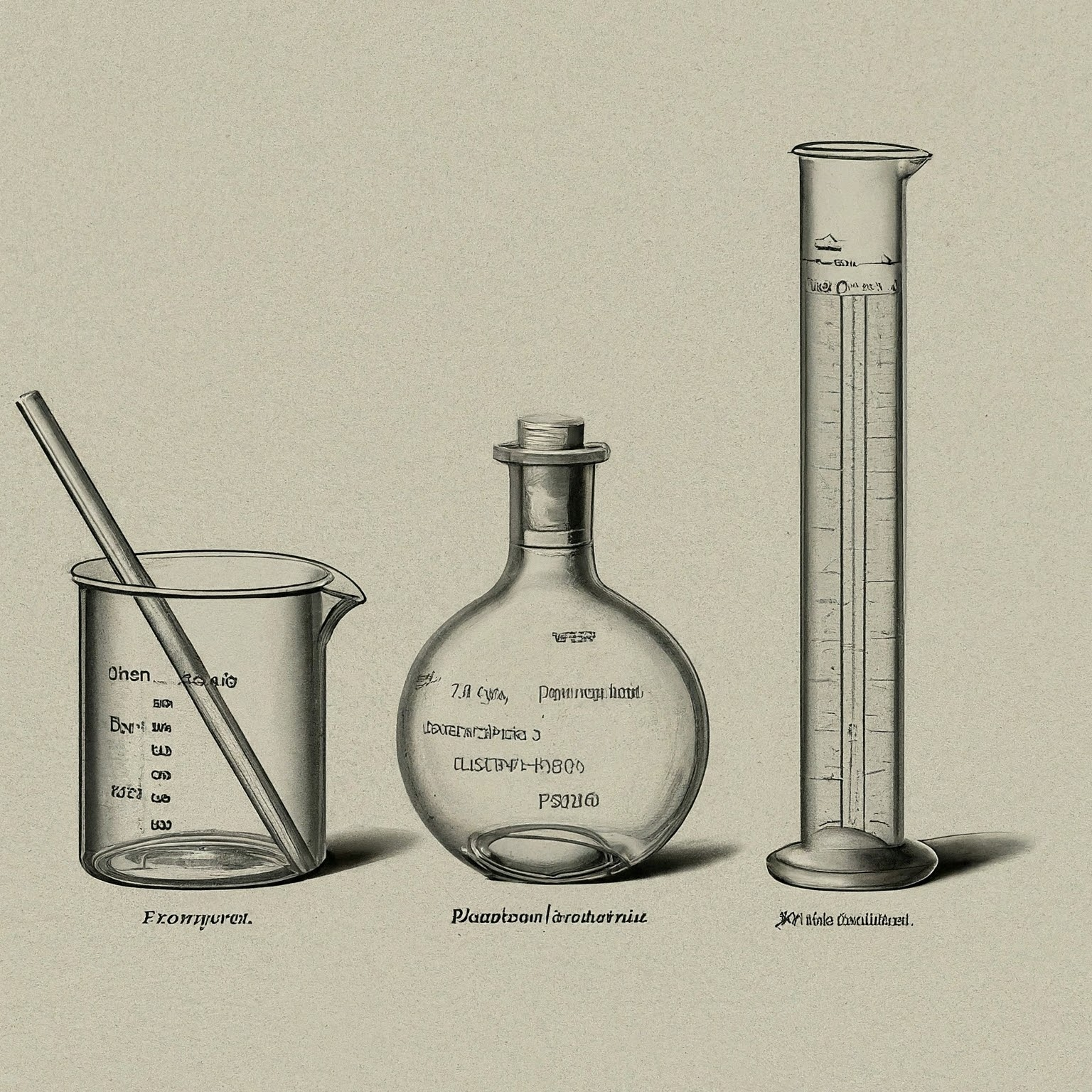
Shifting our focus to graduated cylinders, these volumetric glassware pieces are meticulously engineered to measure the actual volume of liquid with exceptional precision, providing an accurate measured volume. They come in different sizes, including:
-
10 mL
-
25 mL
-
50 mL
-
100 mL
and may feature single or double scales for different measurement approaches. But how does the graduated cylinder deliver such precise measurements?
The magic lies in the cylinder’s design and calibration. For instance, a 10 mL graduated cylinder can measure up to 10.00 mL to the nearest 0.01 mL, while the same volume in a 50 mL graduated cylinder provides measurements up to 50.0 mL to the nearest 0.1 or 0.2 mL. This ability to measure volumes with such precision makes graduated cylinders an invaluable tool in laboratories.
Reading Measurements from Graduated Cylinders
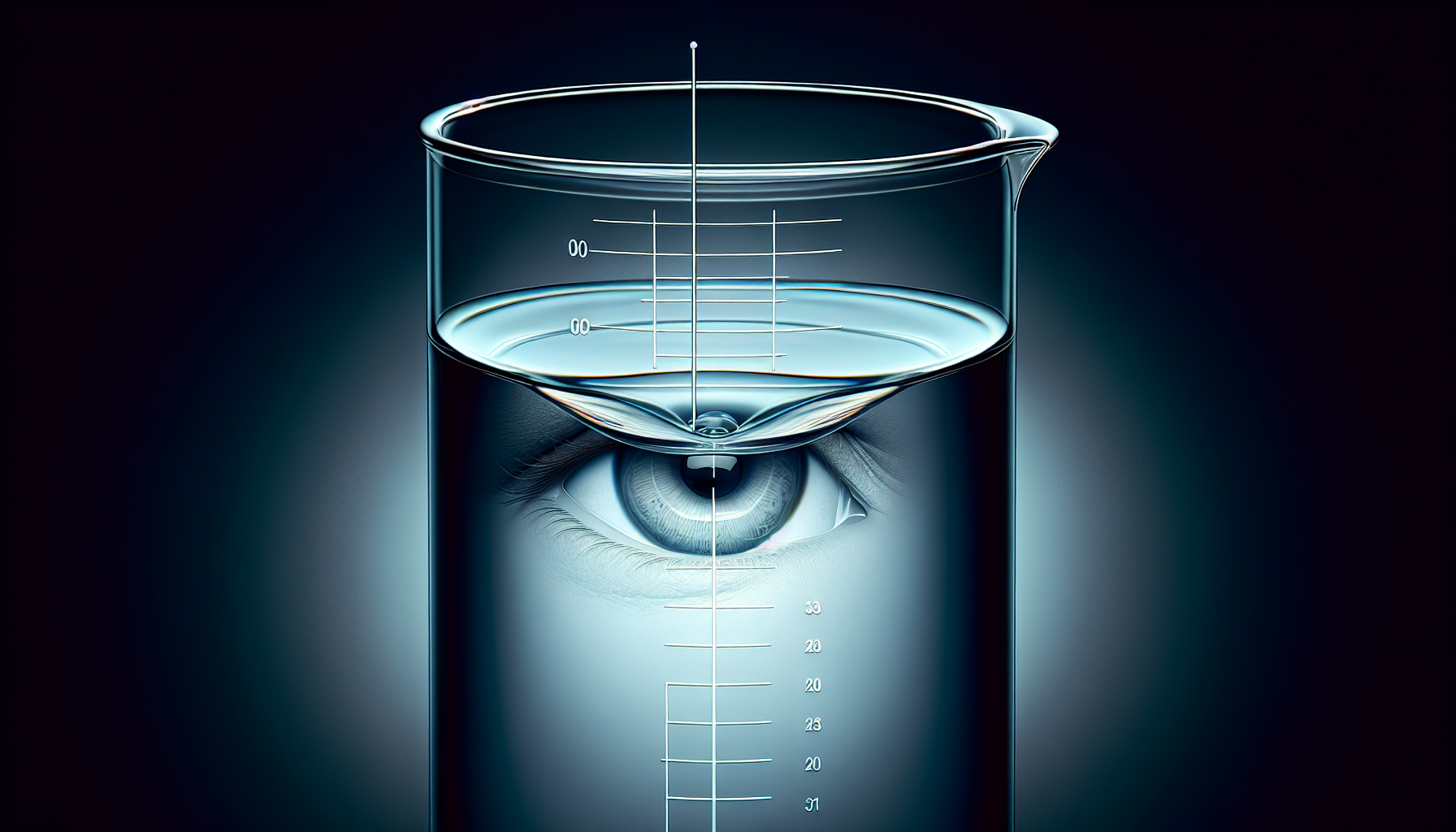
Having familiarized ourselves with significant figures and graduated cylinders, the next question to answeris: how do we read measurements from a graduated cylinder accurately? It’s all about the meniscus and calibration marks, as well as rounding error estimating the last digit.
Meniscus and Calibration Marks
The meniscus is the curved surface of the liquid in a graduated cylinder. To obtain an accurate reading, we need to:
-
Position our eyes at the level of the meniscus
-
Read the bottom of the meniscus for concave liquids
-
The bottom of the meniscus should align with the closest calibration mark
This technique helps us avoid parallax error, which results from viewing the meniscus from an angle rather than straight on.
But there’s another factor to consider. Graduated cylinders are either calibrated ‘to contain’ (TC) or ‘to deliver’ (TD), indicating whether the volume measured includes or excludes the liquid that clings to the cylinder walls. This distinction can also affect the accuracy of our measurements.
Estimating the Last Digit
One of the key skills in reading measurements from a graduated cylinder is estimating the last digit. This process involves interpreting where the meniscus falls between the marked graduations, essentially estimating one more digit beyond what can be directly read. This estimated digit, also known as the uncertain digit, allows us to express a figure with typical precision of three significant figures.
What’s the process for rounding numbers off this estimated digit? Here’s how it works:
-
If the digit is less than 5, it remains unchanged.
-
If the digit is greater than 5, it leads to an increment.
-
If the digit is exactly 5, it rounds to an even number or increments depending on subsequent digits.
This process ensures that the correct number of significant figures, or correct number of significant digits, in our measurement reflects its precision.
Calculating with Significant Figures
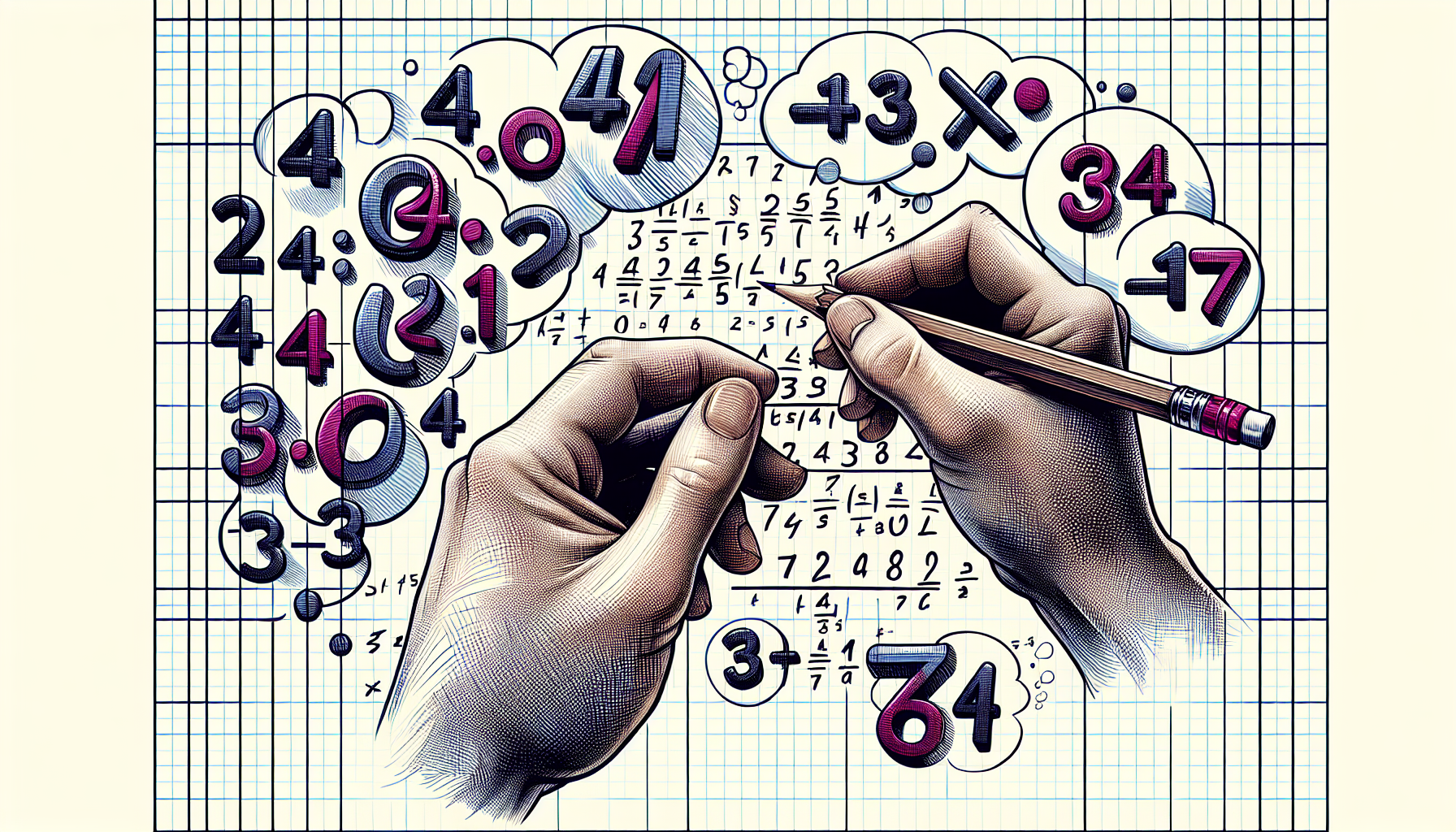
We’ve learned how to read measurements from graduated cylinders and how significant figures represent the precision of those measurements.
But how do we maintain this precision when we perform calculations with these measurements?
Addition and Subtraction
When adding or subtracting, the calculated result must not have more digits to the right of the decimal point than any of the original numbers. This rule ensures that our calculated value retains the precision of our least precise measurement, taking into account all the digits involved in finding the correct number, including any leading or trailing zeros, and maintaining the same number of digits to the right of the decimal point.
So, we align the numbers based on their decimal places before performing the operation. We then add or subtract a decimal point from the values as usual and round the final answer to the least number of decimal places that any of the original numbers have. This method ensures that our final answer reflects the limitations on precision.
Multiplication and Division
In multiplication and division, for example, the rules for significant figures are a bit different. The product or quotient should have as many significant figures as the original number with the least number of significant figures used. Thus, the precision of our result is dictated by our least precise measurement.
Scientific notation can be a handy tool to keep track of significant figures in these operations. By following these rules of scientific notation, we can preserve the precision required in scientific calculations, such as those involving liquid measurements with graduated cylinders.
Accuracy and Precision in Graduated Cylinder Measurements
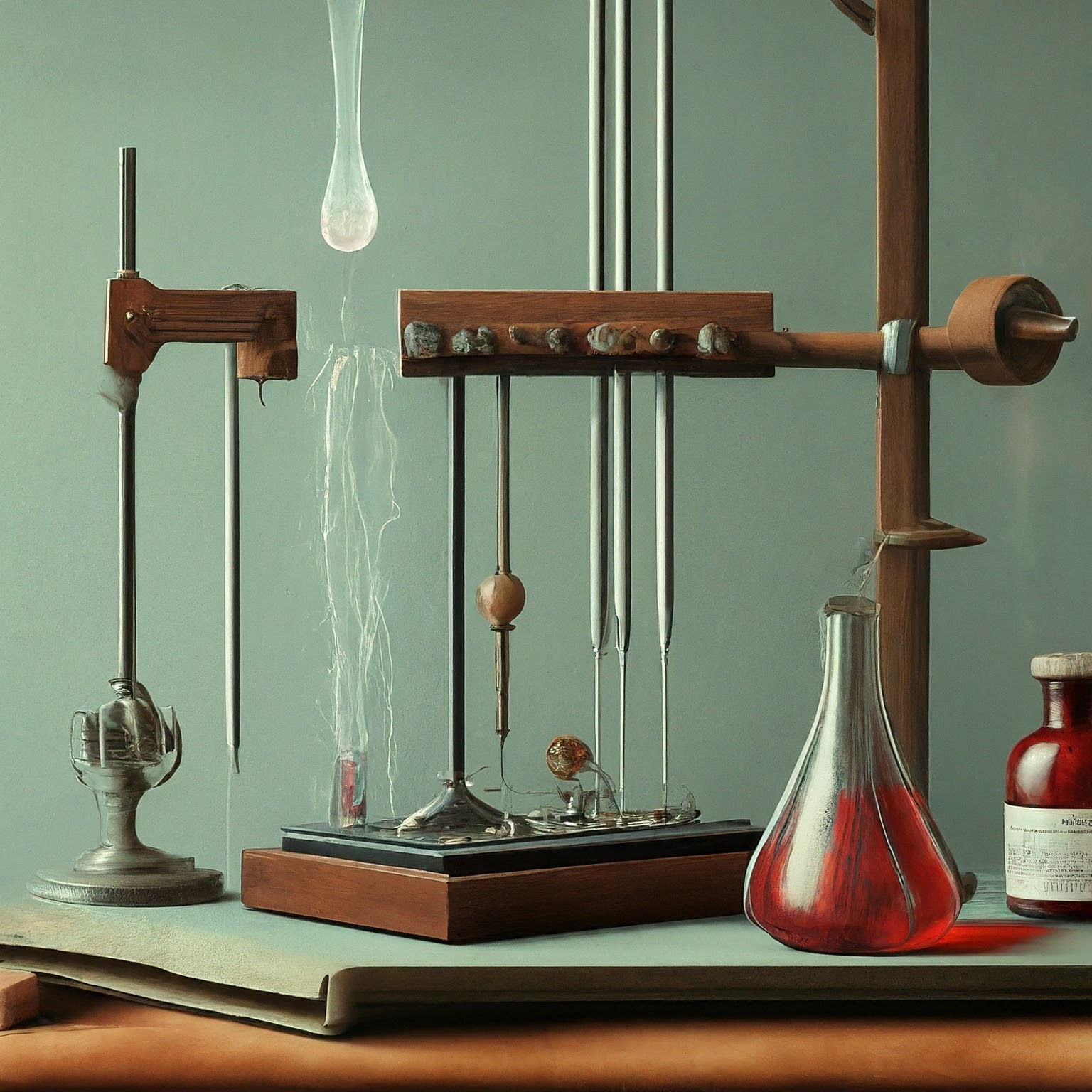
Accuracy and precision are two pillars of scientific measurements. In the context of measuring volume, of graduated cylinders, these terms take on special significance.
Sources of Error
Despite our best efforts, errors can creep into our measurements. For instance, the class of accuracy of our graduated cylinder, whether it’s Class A or Class B, can influence the precision of our measurements. Class A graduated cylinders with known volume provide double the accuracy of Class B graduated cylinders.
Other potential sources of error include:
-
Hasty usage
-
Overfilling
-
Smudges or imperfections on the graduations
-
Contamination with chemicals
Understanding these potential pitfalls can help us take steps to avoid them and improve our measurement accuracy.
Tips for Improving Accuracy and Precision
Enhancing accuracy and precision in graduated cylinder measurements comes down to adhering to a few key tips:
-
Always hold the graduated cylinder at the base or sides to prevent smudging the graduations.
-
Place the cylinder on a level surface.
-
Pour liquids slowly and steadily to minimize splashing and bubble formation.
Maintaining cleanliness is also crucial. Use appropriate cleaning agents and rinse the measuring cylinder thoroughly with distilled water after each use. Regular inspection for any cracks, chips, or etching, especially in glass cylinders, can help maintain measurement precision.
Comparing Graduated Cylinders to Other Volumetric Glassware
Though graduated cylinders are a cornerstone in labs, they do not stand alone in the realm of volumetric glassware for measuring liquid volumes. Let’s examine how they stack up against volumetric flasks and burets.
Volumetric Flasks
Volumetric flasks are designed to contain a specific volume of liquid with high precision. They provide very accurate measurements for one specific volume, as reflected by their low percentage error and specialized design. However, they have their limitations. They’re sensitive to temperature changes and aren’t meant for heating or mixing solutions due to the risk of altering their calibrated volume.
Burets
Burets, on the other hand, are designed for accurately dispensing variable volumes of liquids or solutions. Before use, a buret should be conditioned by rinsing it with the liquid to be used. This process ensures an accurate measurement.
But like all volumetric glassware, burets need to be cleaned properly and checked for cleanliness before use.
Practical Examples: Applying Graduated Cylinder Sig Figs Measurements
Having discussed the theoretical facets of significant figures and graduated cylinders (graduated cylinder sig figs), it’s time to apply them in a practical setting. Imagine you’re measuring a significant figure of a volume of liquid in a 25 mL graduated cylinder. The meniscus sits between the 21 and 22 mL marks. Your measured value should be recorded in lab notebook as 21.x mL, where x is the estimated digit based on the meniscus position.
Suppose you’re measuring multiple liquids and combining them. Your volume calculation calculations should include the addition or subtraction of readings with attention to their significant figures. By adhering to these rules, you can ensure that the precision of your calculated calculation results reflects the precision of your measurements.
Summary
In the world of scientific measurements, precision and accuracy are paramount. Through our exploration of significant figures and graduated cylinders, or sometimes called graduated cylinder sig figs, we’ve learned how these two concepts intertwine to ensure precise liquid measurements. From understanding the importance of the meniscus and calibration marks to rounding off estimated digits and avoiding measurement errors, we’ve gained valuable insights into the world of graduated cylinder measurements. So, the next time you find yourself in a lab, remember these tips and techniques. They will guide you towards more accurate and precise liquid measurements, paving the way for successful experiments.
Certified MTP has an elite selection of lab solutions, showcasing industry-leading brands including Flasks, Beakers, Pipettes, & Graduated Cylinders, Glass Graduated Cylinders, and Plastic Graduated Cylinders.
Frequently Asked Questions
How many significant figures are in a graduated cylinder?
In the example of a graduated cylinder, the number of significant figures, or graduated cylinder sig figs, depends on the unit markings. For example, if a 50 mL graduated cylinder is calibrated to 2 mL per marked division, then the uncertainty in the measurement means that there are 2 significant figures in the final reading.
How do you read graduated cylinder sig figs?
When reading the volume from graduated cylinder sig figs, estimate one digit beyond what you estimate can be clearly determined from the lines. For instance, with a 50 mL cylinder calibrated to 2 mL per division, if rough estimate the liquid level is approximately halfway between the 16 and 20 mL marks, you would report the volume as 18 mL, with 2 significant figures.
What are significant figures?
Significant figures represent the precision of the measured number values, indicating which digits in a number are meaningful and reliable.
What is the difference between accuracy and precision in graduated cylinder measurements?
The key difference between accuracy and precision in graduated cylinder measurements is that accuracy measures how close a measurement is to the true value, while precision measures the consistency of repeated measurements. Accuracy ensures closeness to the true value, while precision focuses on the consistency of measurements.
How do graduated cylinders compare to other volumetric glassware like volumetric flasks and burets?
Volumetric flasks offer the highest accuracy, while burets are used for accurately dispensing variable volumes of liquids or solutions. Graduated cylinders are often more accurate and precise than other laboratory glassware.
Related Blogs for Graduated Cylinder Sig Figs:
Understanding Air Condenser Chemistry in 2023
Chemistry Glassware Names: A Comprehensive Guide
Suction Filtration: The Basics of Vacuum Filtration
What is a Graduated Cylinder Used For?
Most Accurate Glassware for Measuring Volume
Pipette or Measuring Cylinder: Tools for Liquid Measurements
Measuring the Volume of Liquid: Tips, Tools, and Techniques
Unlock the Secrets of Flask Volume for Accurate Results
Efficiency with the Erlenmeyer Flask: Tips for Lab Use
Guide to Bunsen Burners: Types, Uses, and Safety Tips
Choosing the Best Mortar and Pestle for Laboratory Use
Choosing the Best Graduated Measuring Cylinders for Your Lab
Advantages of Mohr Pipette: Precision Measuring Simplified
Best Graduated Cylinder for Accurate Measurements
How Erlenmeyer Flask is Used for Laboratory Applications
Flasks in Chemistry: Types and Uses for Laboratory Success
Flask Chem Essentials: Choosing the Right Lab Flask
Beaker vs Graduated Cylinder: A Comprehensive Comparison
Exploring Precision of 100 ml Graduated Cylinder
25ml Graduated Cylinder Choices: Measuring Simplified
Master How to Use Micropipette: Guide for Lab Measurements
Best Volumetric Pipette Bulb: Master Precise Liquid Handling
Price of Micropipette: Cost Guide for Lab Essentials
Mastering Micropipetting: Techniques for Lab Work
How to Read Micropipette Volumes Accurately
Pipette Tip Selection Guide for Precise Lab Measurements
What Are Pipettes: Tools for Precision Liquid Handling
Mohr Pipette Use in the Lab: Accurate Liquid Measuring
Best Pipette Website for Lab Needs – Quality & Precision
Measuring Volume Tools: Guide to Accurate Liquid Measurement
Top Quality Large Glass Funnel for Efficient Laboratory Use
Best Fritted Buchner Funnel for Laboratory Filtration
Best Filter Funnel Selection for Efficient Liquid Filtration
Scientific Glass Pieces: Bong and Rigs for Connoisseurs
Exploring Type of Beaker: Guide to Laboratory Glassware
Beaker with Measurements for Accurate Liquid Handling
Beakers and Flasks: Essential Lab Equipment Explained
Essential Chemistry Lab Beakers: Guide to Selection and Use


