

Selecting an appropriate pipette tip is crucial for ensuring accuracy in labs. This article outlines key features distinguishing various pipette tip types and their practical implications. Whether it’s compatibility, material quality, or specifical lab requirements, you’ll learn how to make informed decisions for your precise pipetting needs without sacrificing efficiency.
Key Takeaways
-
The accuracy and functionality of pipette tips are influenced by factors such as transparency, flexibility, and material quality, which together ensure secure attachment and visibility during sample transfer.
-
A tip for pipette options cater to diverse laboratory tasks, such as long tips for reaching deep vessels, low retention tips to minimize sample loss, and filter tips to prevent cross-contamination during sensitive assays.
-
Selecting the correct tip involves balancing various considerations including compatibility with specific pipettes, physical properties of the liquid, desired sterility, and operational efficiency to avoid affecting the integrity and reliability of lab results.
The Essentials
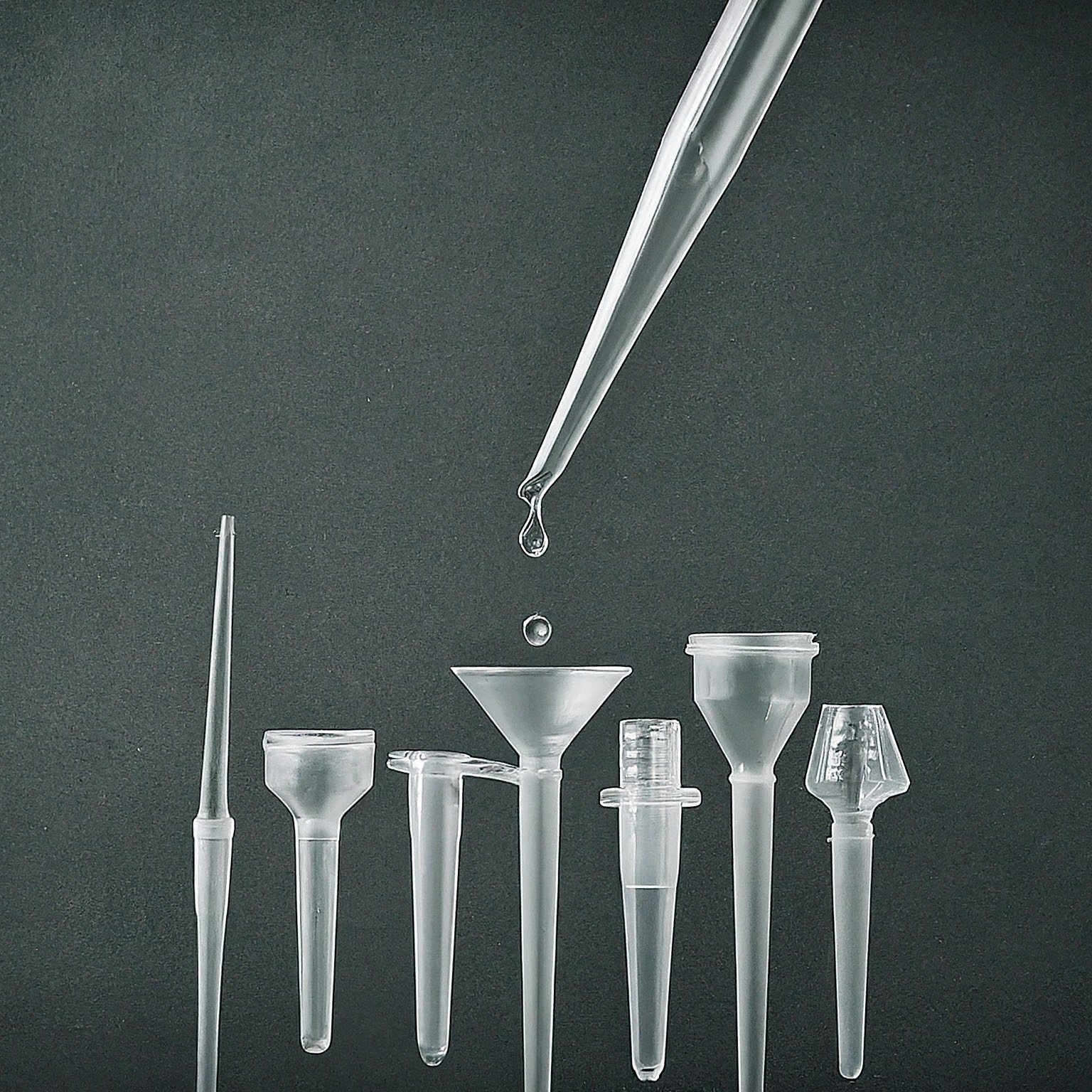
Imagine trying hard to spot a sample in an opaque tip for a pipette or dealing with a rigid one that refuses to attach securely to the pipette. Frustrating, right? The quality of pipette tips directly influences the accuracy and reproducibility of liquid transfers.
These tips must be transparent for visibility of the sample and sufficiently flexible to allow a secure attachment to the pipette.
Understanding Types
The world of tips is not just about transparent and flexible tips; it goes deeper. The length of the tip plays a critical functional role in the pipetting process. Long tips for a pipette are designed to access the contents at the bottom of deep vessels, such as microcentrifuge tubes or deep well blocks, to prevent pipette shaft contamination.
On the other hand, round, short pipette tips are preferred for use with high-density plates like those with 384 or 1536 wells for their ability to accurately target small wells and provide ergonomic benefits.
Material Matters: Plastic Quality
Pipette tips are precision manufactured from high clarity virgin polypropylene, which ensures chemical resistance and transparency. The injection molding process used in creating flat, low retention pipette tips ensures that the non-wettable properties of polypropylene are maintained. During manufacturing, quality control efforts are enacted to prevent flashing and burrs, which could interfere with sample precision and retention.
It is equally important to ensure that the high quality tips, including specific color tips, are free from additional manufacturing chemicals that could contaminate samples.
Achieving High Efficiency with Robotic
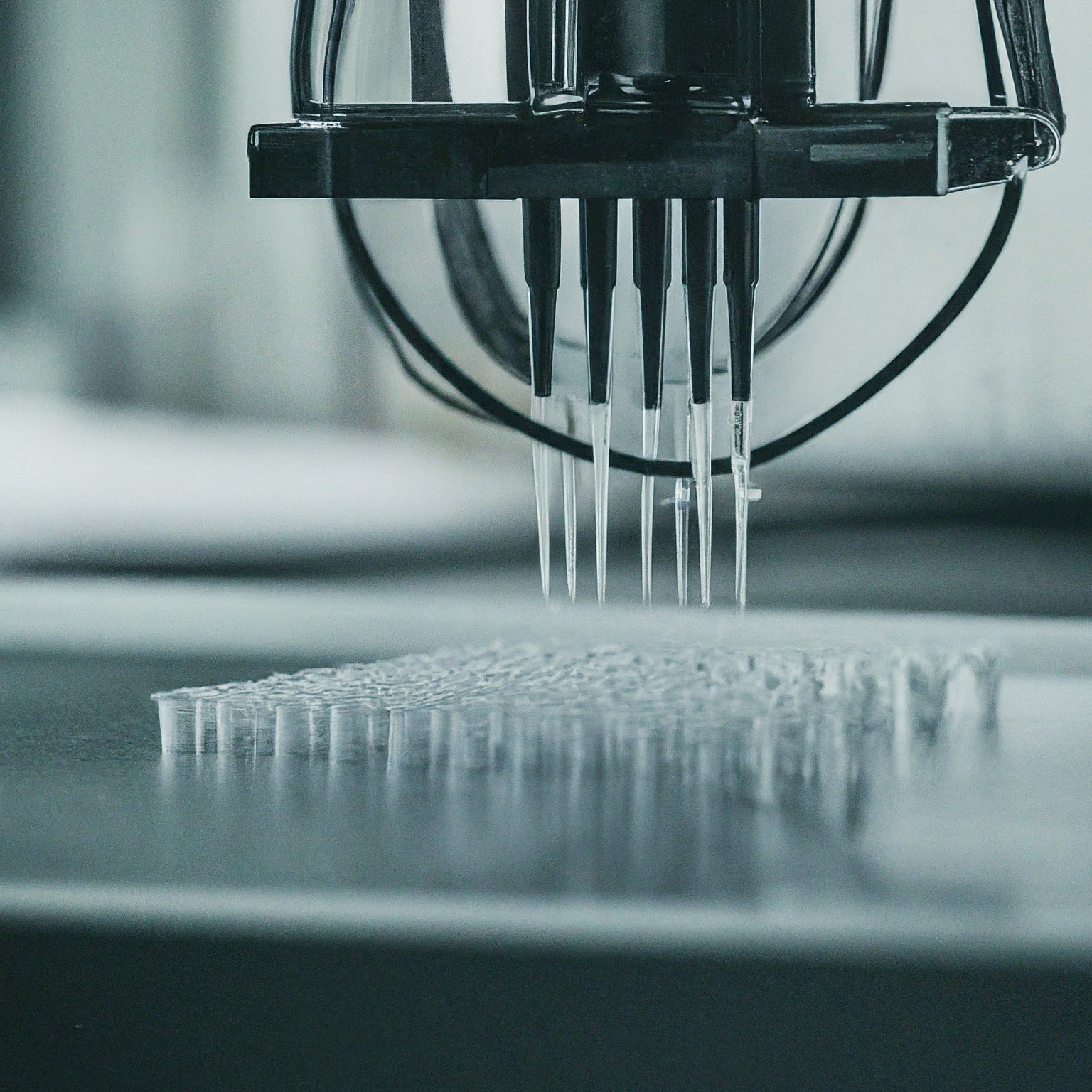
The advent of automation in laboratories has necessitated the evolution of pipette tips. Robotic pipette tips, designed with innovative features such as good flexibility and a secure seal, are crucial for achieving accurate pipetting in high-throughput automated systems.
Compatibility and Equipment Integration
Robotic tips are a boon for automated pipetting systems, reducing manual inconsistencies and increasing laboratory throughput. Their wide compatibility spectrum allows them to fit specific models from various brands, such as Thermo, Gilson, and Eppendorf, ensuring broad applicability across different systems. These tips possess an optimized bore design to facilitate a secure connection with both electronic and mechanical pipettes in automated setups.
To guarantee precise equipment integration, manufacturers provide compatibility lists detailing the compatibility of robotic pipette tips with an array of automated pipetting systems.
Enhancing Throughput
With robotic tips, automated pipetting systems can process over 100 samples per hour, offering a substantial throughput advantage over manual pipetting methods. These tips are designed to fit precisely and seal securely with specific automated liquid handling systems such as the Hamilton MICROLAB STAR and Agilent Bravo, enhancing overall efficiency.
Furthermore, the availability of robotic tips in a spectrum of volumes ranging from nanoliters to milliliters is crucial for matching the liquid handling needs of diverse high-throughput applications.
Precision and Accuracy: Repeater
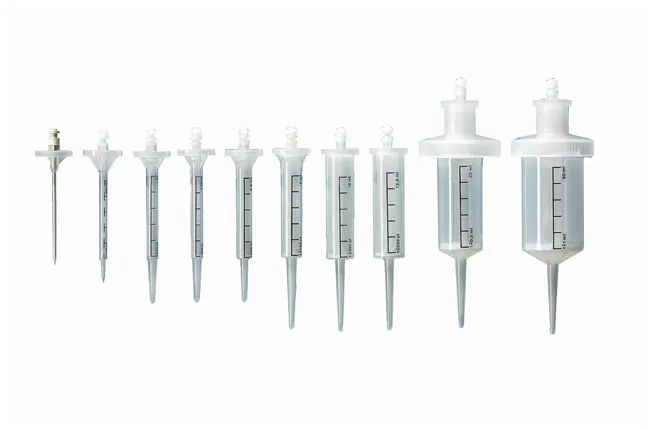
Repeater tips for pipettes are a game-changer for tasks that require repeated dispensing of the same volume. They enhance precision and accuracy when used with electronic pipettes, ensuring accurate and precise liquid handling by directly moving the sample, reducing inconsistencies caused by air displacement.
The avoidance of air gaps and direct contact with liquids minimizes the risk of cross-contamination between samples, maintaining the accuracy of results.
Volume Consistency
Repeater tips for pipettes are designed to deliver a wide range of volumes, extending from 50 µL to 50 mL, to accommodate consistent volume delivery in various experimental setups. Thanks to their positive displacement mechanism, the need for ‘blow out’ is eliminated, reliably dispensing the correct volume each time.
When used with electronic pipettes in repeat dispense mode, these tips allow for precise division of a specific volume into smaller, equal aliquots, enhancing consistency in volume distribution.
Streamlining Workflow
Repeater tips for pipettes were designed with an ergonomic focus to streamline the laboratory workflow, reducing the time and effort needed for pipetting tasks. Their features include:
-
Lightweight nature
-
Low force requirement for loading and ejecting
-
Minimizes physical stress
-
Helps prevent repetitive strain injuries
These tips enhance efficiency by allowing multiple, consistent measurements without the need to refill after each dispense, thus saving significant time. The time-saving benefits and reduced likelihood of user error with electronic pipettes fitted with repeater tips are particularly important for speeding up serial dilutions, plate filling, and other repetitive tasks.
Universal Appeal: Universal
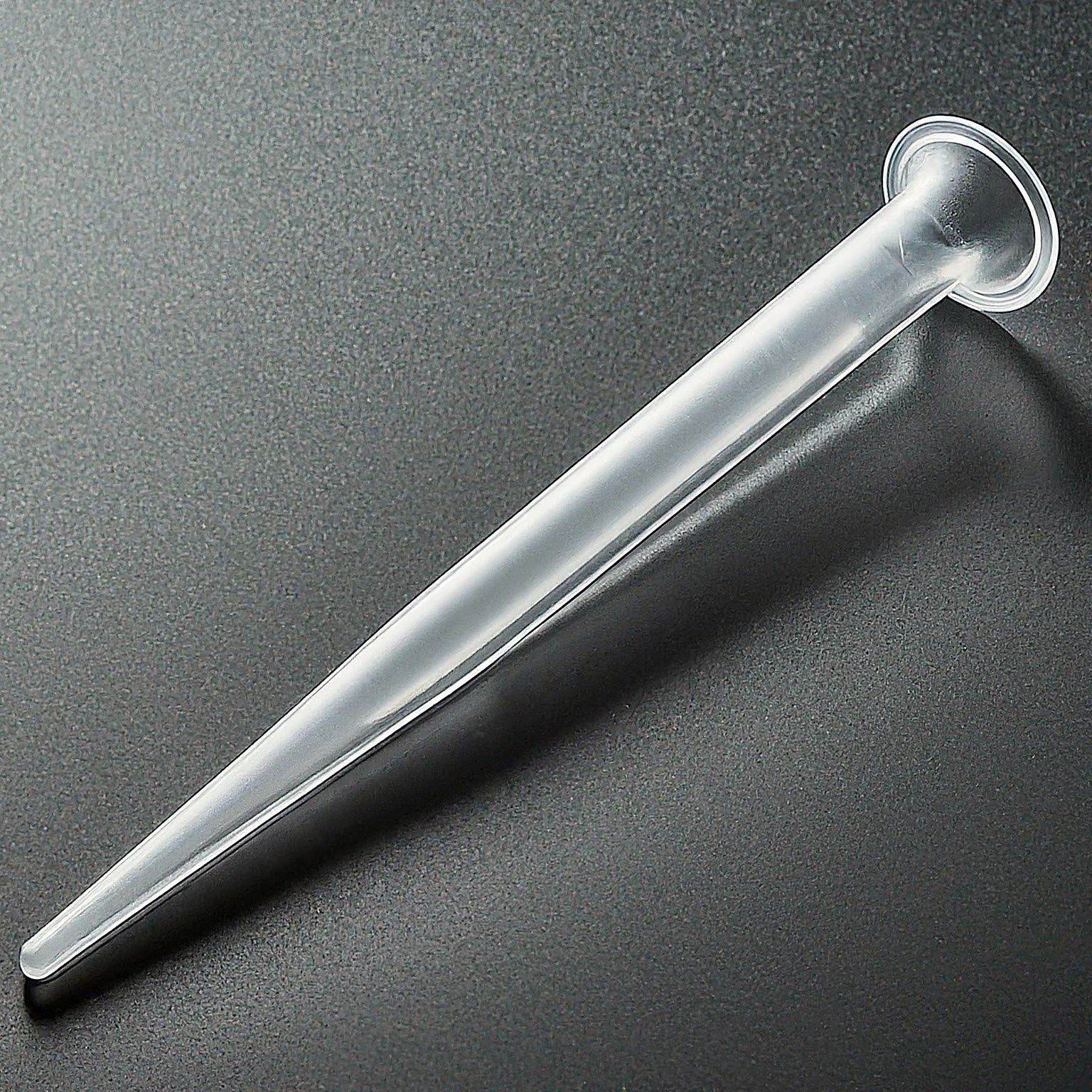
Universal tips for pipettes are the epitome of versatility. They are engineered to be compatible with a multitude of pipettor brands, including:
-
Eppendorf
-
Gilson
-
Thermo Scientific
-
Sartorius
-
Socorex
These tips also accommodate a broad spectrum of volume requirements, with capacities ranging from 0.1 µL up to 10,000 µL.
A variety of packaging options, such as bulk, racked, or refill systems, provides added flexibility for different laboratory preferences and procedures.
Broad Compatibility
Universal tips are reusable and typically designed with a conical shape and a flexible seal area, which helps ensure a secure fit with a variety of pipette brands and models. These pipette tips are engineered to accommodate both single and multi-channel pipettors, increasing their usability in diverse laboratory settings.
To substantiate their universal compatibility, manufacturers conduct testing with several pipettors, affirming the universal fit of these pipette tips.
Cost-Effective Solutions
The economic advantages of using universal tips are manifold. They can be utilized with different brands of pipettors, greatly reducing the diversity of tips needed in laboratory inventory. Implementing universal pipette tips offers the following benefits:
-
Reduces waste
-
Conserves storage space
-
Simplifies ordering and inventory processes
-
Leads to an efficient operational workflow.
Laboratories can leverage volume discounts when using new products by buying universal pipette tips in bulk, which diminishes the per-unit cost. When compared with the price of specialized tips, such as filter tips, universal pipette tips become particularly advantageous as they are more cost-effective.
Minimizing Sample Loss: Low Retention
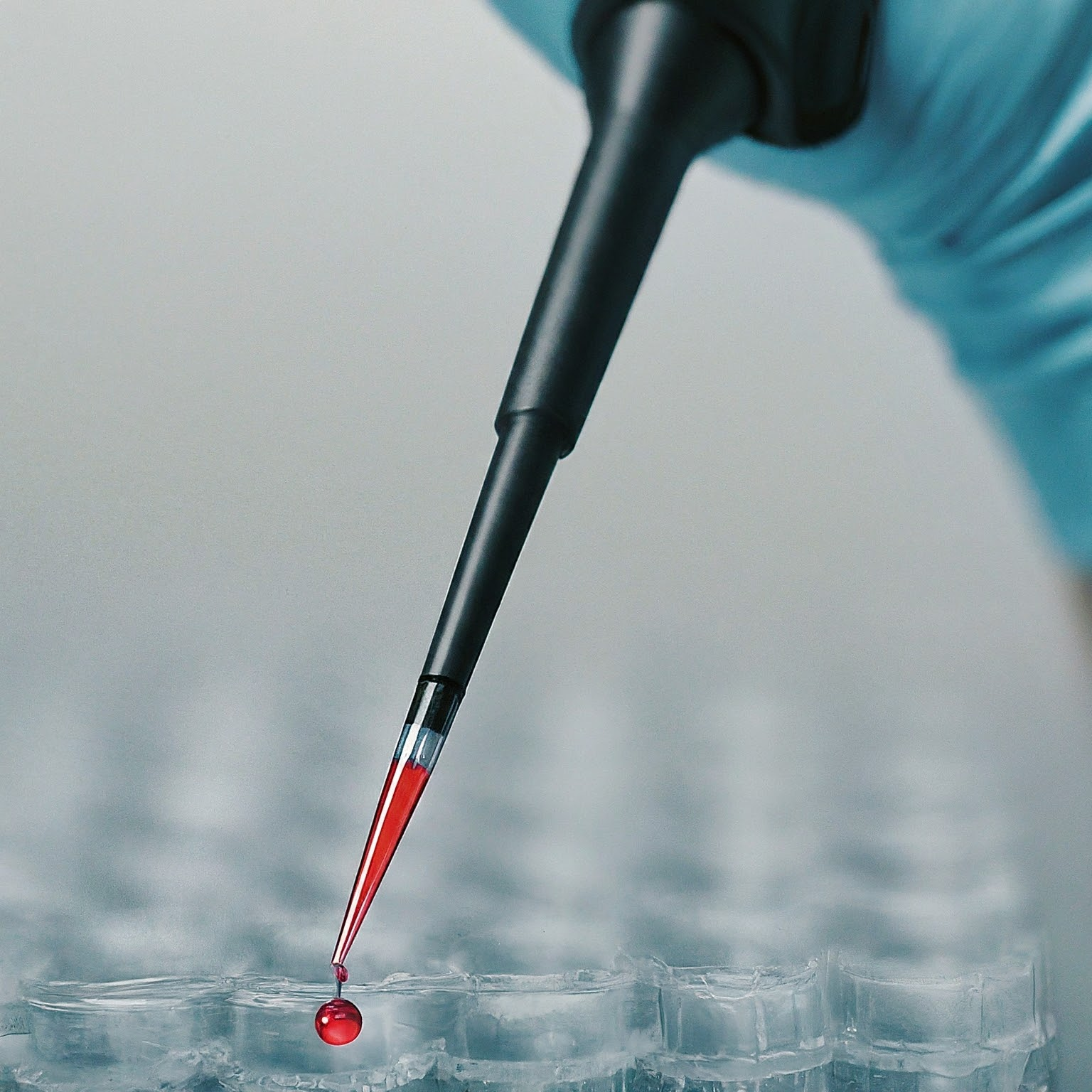
Minimizing sample loss is paramount in any laboratory setting, something low retention pipette tips are designed to do. Manufactured using superfine molding technology, these tips ensure a smooth inner wall to minimize fluid retention. They are designed with non-wettable polypropylene, which decreases the adherence of samples. The hydrophobic nature of these tips greatly reduces sample loss compared to standard tips. They are also free of lubricants and heavy metals, mitigating the risk of sample contamination during pipetting.
The design of these tips prevents adhesion of substances such as enzymes, DNA, and proteins, which is crucial for reducing sample loss. Using these tips is economical for tasks with precious or expensive reagents, due to minimized sample loss and maximized recovery. They are beneficial when working with volatile liquids or for assays where evaporation can lead to significant sample loss.
Surface Technology
Low retention tips are treated to be ‘low-retention’ to minimize sample binding, ensuring that almost all of the sample is transferred and measurements are more accurate. They are particularly effective for handling highly concentrated or viscous samples as they are engineered to retain less liquid, which enhances accuracy and minimizes reagent waste. The most cutting-edge method for producing low retention tips involves the application of a hydrophobic coating using proprietary technology, increasing chemical resistance and consistency across batches, ultimately reducing liquid retention.
Accumax low retention tips for a pipette exemplify the use of proprietary treatments by featuring a unique diamond finish Swiss Mold, creating a superhydrophobic surface that prevents sample adhesion for maximal sample recovery.
Applications in Sensitive Assays
Low retention tips are essential in sensitive assays where sample conservation and precision are of utmost importance. They significantly benefit the handling of detergent-containing solutions, such as PCR master mixes, ensuring accuracy due to minimal sample loss and adherence. These specialized tips are particularly critical in molecular biology, where even the smallest variations can affect the reliability and reproducibility of sensitive detection methods.
Low retention tips are especially effective when dealing with samples like buffers, enzymes, and detergents that typically adhere to standard pipette tips due to their viscosity and low surface tension. Beyond routine laboratory fluids, these tips are advantageous when pipetting challenging materials such as viscous substances, biological fluids, and sensitive reagents.
Enhanced Protection with Filter Tips
Filter tips are the guardians of pipetting, equipped with a protective barrier that prevents cross-contamination during pipetting. Their porous filter captures aerosols that could otherwise contaminate the pipette’s shaft, thereby protecting both the sample and the pipette.
Robotic filter tips specifically use a PE sintered filter to provide an enhanced aerosol barrier, which is critical for automated procedures.
Barrier Function
Filter tips contain an internal barrier to prevent aerosols, created during aspiration, from contaminating the pipette and subsequent samples. The filter within a pipette tip acts as a barrier by trapping aerosols through diffusion, interception, or inertial impaction depending on the aerosol particle size. Different mechanisms are involved in aerosol interception by the filter: small aerosols diffuse and contact the filter fibers, medium-size particles can be intercepted, and large particles are captured due to their mass and inertia.
However, it’s important to note that a minimum filtering efficiency as low as 85% between 0.3–0.7μm has been observed, indicating that absolute protection against carryover contamination is not guaranteed, especially in non filtered scenarios.
Maintaining Sample Integrity
Filter tips are essential in PCR applications to prevent contamination from aerosols, which can carry over DNA or other contaminants from previous pipetting actions. The use of filter tips in PCR ensures more robust results by providing a clear physical barrier that stops sample carryover, thus maintaining the integrity of PCR positive controls and experimental samples.
It’s also important to note that pipetting tips used in laboratories for sensitive analyses such as PCR should be free of pyrogens to prevent interference with experimental outcomes.
Bulk Buying Benefits: Stocking Up
Bulk buying is not just about hoarding; it’s about smart procurement. Laboratories with high usage rates of pipette tips can achieve significant cost savings through bulk purchases. Bulk buying often comes with the advantage of quantity discounts, reducing the overall cost per unit. Promotions and special offers for bulk orders can further amplify the economic benefits for labs.
Bulk purchasing of pipetting tips offers several benefits for labs:
-
Better inventory management, ensuring a consistent supply and reducing the frequency of orders
-
Avoiding disruptions in lab operations due to unexpected shortages
-
Potential for better deals and service conditions through long-term relationships with suppliers
-
Preferred customer benefits, such as expedited shipping or extended payment terms, for labs that regularly place bulk orders.
Managing Lab Inventory
Labs can achieve significant cost savings by purchasing tips in bulk. Here are some tips for managing bulk pipette tip quantities:
-
Buy a 10-bag case with up to 10,000 tips for commonly used volumes.
-
Use resealable zip-lock bags for bulk pipetting tip quantities to efficiently manage inventory by allowing manual refilling of racks as needed.
-
Regularly conduct inventory audits to verify that lab inventory, like pipette tips, is in good condition and that stock levels are adequate.
Lab managers should implement the following systems for organizing large quantities of lab inventory items such as pipette tips:
-
Logical, easy to use, and scalable systems
-
Protocols for the reception, storage, and dispensation of bulk inventory items
-
Efficient procurement processes, including streamlining approval and ordering, reducing unnecessary steps and paperwork, and learning best practices from other labs
-
Continuous review and improvement of the procurement process to stay adaptive to changing needs and market conditions
These measures will help prevent accidents, ensure accessibility, and achieve efficient procurement in the lab.
Bulk Purchase Considerations
Bulk purchases of pipetting tips may come in cases of up to 10,000 tips, requiring labs to have adequate storage capabilities. Effective storage systems are essential for managing the space efficiently and maintaining optimal storage conditions when buying in bulk.
Bulk purchasing of products can be economically advantageous, providing opportunities for discounts and long-term contracts that ensure sustained quality and supply. However, careful evaluation of vendors is necessary for bulk purchases to guarantee the quality and prompt delivery of supplies, taking into account factors such as price, reliability, and customer service.
Sterility and Pyrogen-Free Options
In sensitive applications, sterility and purity are not luxury features; they are necessities. Tips for pipettes must be pre-sterilized or user-sterilizable and free from contaminants like endotoxins, DNA, DNase, RNase, and PCR inhibitors. These tips are manufactured from USFDA-approved virgin polypropylene resins without additives, eliminating the risk of contamination and ensuring the tips’ purity.
Electron Beam sterilization is a method used on robotic tips which leaves no chemical residue, thus preserving the integrity of the samples in high-throughput workflows. Universal pipette tips come with various sterility options, including non-sterile, PCR clean, and sterile types, to accommodate a wide range of laboratory needs.
Most low retention pipette tips are designed to withstand standard autoclaving conditions, but users should verify autoclaving compatibility with the manufacturer to ensure they do not alter their performance.
Importance of Sterile Conditions
Sterile pipette tips are essential for experiments requiring sterile conditions, such as cell cultures, to reduce the risk of cross-contamination. Non-sterile pipette tips may not guarantee the removal of critical contaminants like RNase and DNase even when autoclaved, and aerosols generated during pipetting can lead to contamination risks. Universal pipette tips, manufactured in automated sterile environments adhering to strict regulations, ensure consistent sterility and quality, while minimizing contamination risks that could lead to increased costs.
Sterile pipette tips, available in racked or reload packaging options, provide a convenient solution for maintaining sterile conditions in the laboratory.
Ensuring Endotoxin-Free Samples
Pyrogen-free pipette tips are essential for experiments that cannot tolerate contamination from endotoxins, which are fever-inducing substances originating from the outer membrane of Gram-negative bacteria. The absence of pyrogens in pipette tips ensures that experiments, especially those in cell culture and molecular biology, are not compromised by the presence of these fever-inducing substances.
Pyrogen-free pipette tips protect sensitive assays from endotoxin-related interference, maintaining the integrity of experimental results.
Choosing the Right Pipette Tip for Your Application
Choosing the right pipette tip can seem like a Herculean task given the multitude of options. However, the key to selection lies in understanding the specific requirements of your instrument and application. Selecting the appropriate pipette tips is crucial in critical environments to avoid contamination and ensure reliable test results.
For instance, Gilson Microman pipettes are particularly recommended for forensic science or clinical diagnostics where avoiding aerosol formation is essential, complementing traditional air-displacement pipettes.
Assessing Volume Requirements
When selecting pipette tips, one of the first considerations should be the target volume. Pipette tips should be chosen to match the target volume, ideally within 30%-100% of the pipette’s maximum volume capacity, in order to maintain accuracy in measurements.
Pipette tips, including micropipette tips, are available for different volume ranges, such as micro-volume pipetting (0.1 to 10 µL) and larger volumes up to 1,000 µL, to cater to precise volume requirements of various assays.
Matching Tip to Task
Choosing the right pipette tip also entails understanding the liquid’s physical properties and specific applications. The type of pipette and tip should be selected based on the liquid’s physical properties, such as volatility, temperature, and viscosity, and they are designed to work with a variety of liquids including viscous, dense, foaming, high vapor pressure, and volatile substances.
For viscous liquids and delicate cell lines, using wide bore pipette tips is recommended to reduce flow resistance and prevent shearing during transfer. Special handling methods, like reverse suction, may be needed for pipetting volatile or high-temperature liquids, and for substances that tend to foam, such as those containing surfactants or proteins. It is important to note that certain highly hydrophobic pipette tips can be unsuitable for accurate aspiration of very small volumes (smaller than 10 microliters) due to inefficiencies in liquid adherence and release.
Summary
In the realm of laboratory measurements, pipette tips are the unsung heroes. From the material quality to the type, from the surface technology to the sterility, every aspect of a pipette tip contributes to the accuracy and reliability of the results. As we venture into the era of automation, the role of pipette tips has only become more critical. So the next time you hold a pipette, remember it’s not just a tool, but a key to precision.
Certified MTP has an elite selection of lab solutions, showcasing industry-leading brands including Flasks, Beakers, Pipettes, & Graduated Cylinders, Erlenmeyer Flasks, Measuring Pipettes, Stainless Steel Beakers, Glass Graduated Cylinders, and Plastic Graduated Cylinders.
Frequently Asked Questions
How do I know which tip to use?
Choose a tip for a pipette size based on the transfer capacity of the pipette and the amount of liquid being transferred. Bulk packaging provides an economical option for routine applications.
Are tips for a pipette universal?
Yes, universal tips are designed to fit a wide range of mechanical and electronic single and multichannel pipettors from various manufacturers, making them versatile for different laboratory tasks. They offer compatibility and high performance with many pipette models.
What is a tip for a pipette?
A tip for a pipette is a disposable, autoclavable attachment for the uptake and dispensing of liquids using a pipette. They are commonly used in laboratories for tasks such as dispensing liquids into well plates for PCR assays.
Why is the quality of tips for a pipette important?
The quality of tips for a pipette directly affects the accuracy and reproducibility of liquid transfers in the lab, making high-quality tips essential for reliable results.
What is the role of polypropylene tips in manufacturing?
Polypropylene plays a crucial role in tip manufacturing as it provides chemical resistance, transparency, and non-wettable properties essential for creating precision pipette tips.
Related Blogs for Pipette Tip:
Comprehensive List of Biology Laboratory Equipment in 2023
Chemistry Glassware Names: A Comprehensive Guide
Understanding Air Condenser Chemistry in 2023
Suction Filtration: The Basics of Vacuum Filtration
What is a Graduated Cylinder Used For?
Most Accurate Glassware for Measuring Volume
All About Volumetric Flask: Uses, Function & Overview
Aspirator Flask: Benefits of Borosilicate Glass Filter Flask
Everything You Need to Know About Beakers in Chemistry
Pipette or Measuring Cylinder: Tools for Liquid Measurements
Measuring the Volume of Liquid: Tips, Tools, and Techniques
Understanding What Are Pipette Tips Used For
Top-Quality Chemical Glassware for Precision Lab Work
Guide to Pipettes: Functions, Types, and Usage Tips
How Many Ounces in a Gallon [Conversion Solved]
Convert Inches Cubed to Feet Cubed [Easily Solved]
Calculate the Wt of Water per Cubic Foot: Quick Guide
Convert Cu Ft of Water to Gallons [Effortless Guide]
Advantages of Mohr Pipette: Precision Measuring Simplified
Best Graduated Cylinder for Accurate Measurements
How Erlenmeyer Flask is Used for Laboratory Applications
Exploring Precision of 100 ml Graduated Cylinder
25ml Graduated Cylinder Choices: Measuring Simplified
Master How to Use Micropipette: Guide for Lab Measurements
Best Volumetric Pipette Bulb: Master Precise Liquid Handling
Price of Micropipette: Cost Guide for Lab Essentials
Mastering Micropipetting: Techniques for Lab Work
How to Read Micropipette Volumes Accurately
What Are Pipettes: Tools for Precision Liquid Handling
Mohr Pipette Use in the Lab: Accurate Liquid Measuring
Best Pipette Website for Lab Needs – Quality & Precision
Choosing the Best Transfer Pipets for Your Lab Needs
Pipette vs Pipet: Uncovering Differences for Lab Accuracy
Pipetted: Master the Art of Precise Liquid Handling
Flawless Pipetting: Mastering Strategies for Precision
Graduated Pipette Use: Tips for Accurate Lab Measurements
<a href="https://certifiedmtp.com/blog?p=top-quality-pasteur-pipettes-


