

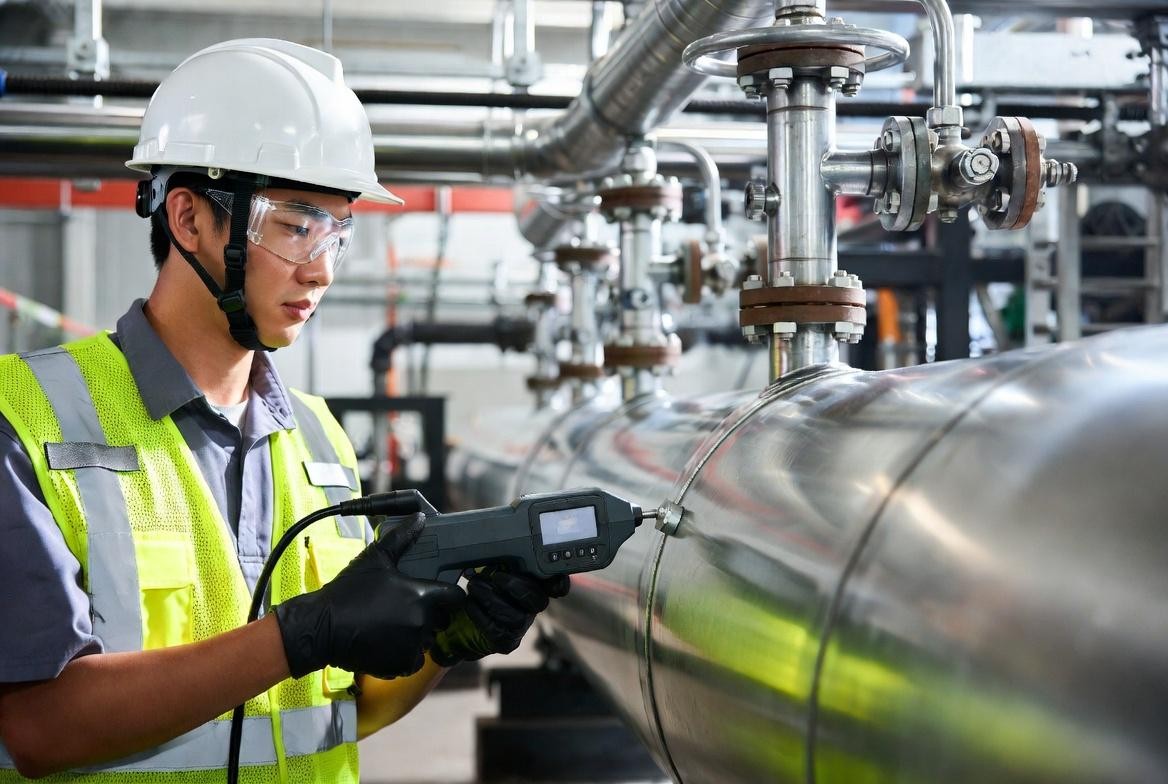
Steel tubes are used in many construction, machinery, hydraulic, and industrial equipment projects. They may look simple from the outside, but their quality directly affects safety, performance, service life, and maintenance cost. A weak or poorly inspected tube can lead to leakage, deformation, structural failure, equipment downtime, or even serious safety risks.
For global buyers, contractors, equipment manufacturers, and project engineers, steel tube quality checks should never be treated as a final formality. They should be part of the full sourcing and project planning process. Whether the project requires a seamless steel tube, welded tube, galvanized steel pipe, stainless steel tube, hydraulic steel tube, or alloy steel tube, proper inspection helps confirm that the material can handle real working conditions.
This guide explains the key steel tube quality checks that support safer construction and industrial equipment projects.
Why Steel Tube Quality Matters in Construction and Industrial Projects
Steel tubes are often used in load-bearing structures, fluid transport systems, hydraulic lines, mechanical frames, support systems, and precision equipment. In these applications, the tube must meet both design requirements and safety expectations.
Poor-quality tubes can create several risks:
- Cracking under pressure or vibration
- Corrosion during outdoor or humid use
- Inaccurate fitting during assembly
- Leakage in hydraulic or gas systems
- Shorter service life in heavy-duty equipment
- Higher maintenance and replacement costs
In construction projects, steel tube quality affects structural reliability. In industrial equipment, it affects machine stability, pressure resistance, and production safety. This is why professional buyers do not only compare price. They also review material grade, wall thickness, surface condition, certificates, and supplier inspection capability.
The Role of Steel Tubes in Equipment Safety and Structural Reliability
Steel tubes are used in many visible and hidden parts of industrial projects. Some tubes support weight. Some carry fluid or gas. Some protect internal components. Others are used as precision mechanical parts.
Common applications include:
| Application Area | Common Steel Tube Requirement |
| Construction structures | Strength, straightness, corrosion protection |
| Hydraulic systems | Pressure resistance, clean inner surface, accurate size |
| Industrial machinery | Dimensional accuracy, mechanical strength |
| Automotive and equipment frames | Durability, weldability, stable performance |
| Fluid or gas transport | Leak resistance, coating quality, correct material grade |
For example, a CNG tube or pressure-related tube must meet stricter safety expectations than a basic structural tube. A hydraulic steel tube must maintain stable performance under pressure, oil flow, vibration, and repeated use. A galvanized steel pipe must provide reliable corrosion resistance for outdoor or humid environments.
Different projects require different tube types, so quality inspection must always match the actual application.
Start With the Project Application and Working Conditions
Before checking tube quality, buyers should first define how the tube will be used. A tube that works well in one project may not be suitable for another.
Important working conditions include:
- Indoor or outdoor use
- High-pressure or low-pressure operation
- Static load or dynamic load
- Contact with water, oil, gas, chemicals, or air
- Welding, bending, cutting, or machining requirements
- Temperature changes and environmental exposure
For example, stainless steel pipe or stainless steel tube may be suitable for corrosion-resistant applications. Alloy steel tube may be required for higher strength or special mechanical performance. Cold drawn steel tube is often chosen when tighter dimensional accuracy and better surface finish are needed.
By understanding the project environment first, buyers can avoid choosing a tube based only on price or general appearance.
Check the Steel Grade and Material Composition
Material grade is one of the most important quality factors. The steel grade determines strength, hardness, weldability, corrosion resistance, pressure capability, and long-term performance.
A reliable supplier should clearly provide:
- Steel grade
- Chemical composition
- Applicable standard
- Heat number or batch number
- Material test report
- Mechanical property data
For construction and industrial equipment, common material concerns include carbon content, manganese content, alloy elements, and impurity control. If the composition does not match the required standard, the tube may fail during bending, welding, pressure use, or long-term operation.
Buyers should avoid vague descriptions such as “high quality steel” without technical documents. Good steel tube sourcing should always be based on measurable data.
Review Dimensional Accuracy and Wall Thickness
Dimensional accuracy is critical for assembly, fitting, welding, sealing, and equipment operation. Even a small size difference can cause installation problems or performance issues.
Key dimensions to check include:
- Outside diameter
- Inside diameter
- Wall thickness
- Length tolerance
- Ovality
- Straightness
- End condition
Wall thickness is especially important. If the wall is too thin, the tube may not meet pressure or load requirements. If it is uneven, stress may concentrate in weak areas. For hydraulic, mechanical, and structural applications, buyers should confirm that the actual wall thickness matches the project drawings and standards.
In precision applications, cold drawn steel tube is often preferred because it can provide better dimensional control and smoother surfaces than general hot-finished tubes.
Evaluate Pressure Resistance for Hydraulic and Mechanical Systems
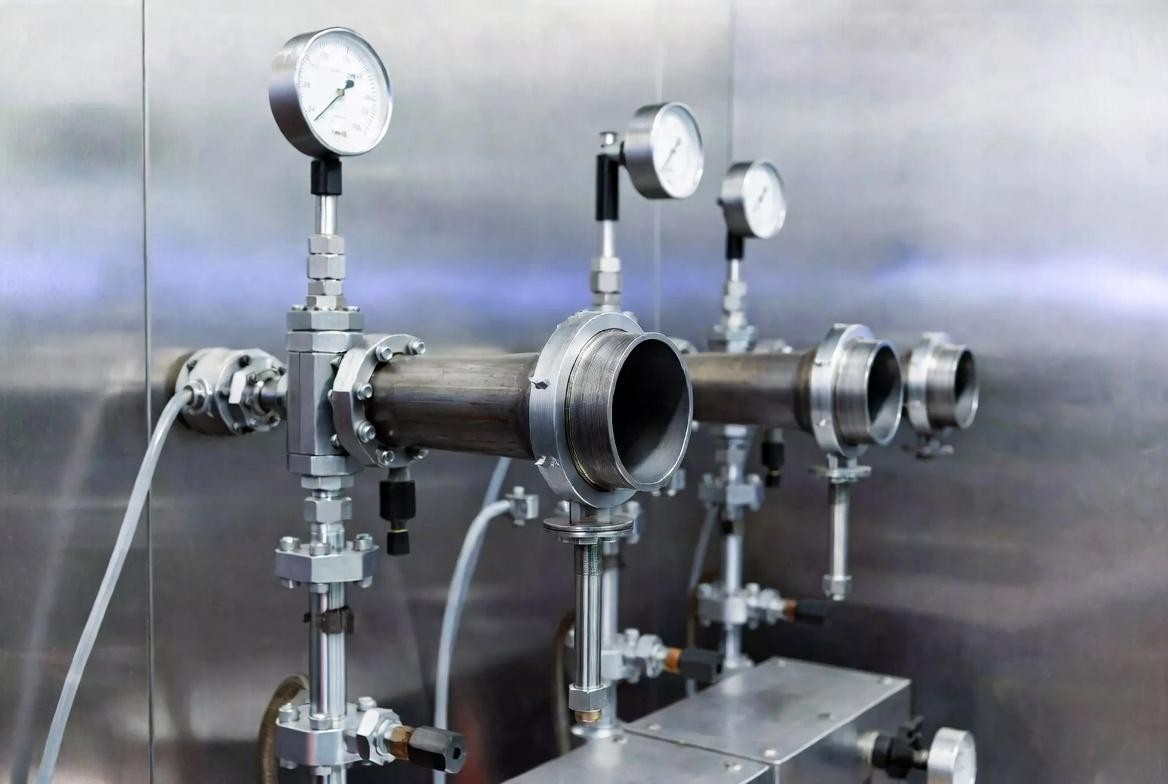
Hydraulic and mechanical systems place high demands on steel tubes. These tubes may face internal pressure, vibration, oil flow, repeated movement, and temperature changes. A poor-quality hydraulic steel tube can cause leakage, pressure loss, or sudden system failure.
Important checks include:
- Pressure rating
- Burst pressure requirement
- Inner surface cleanliness
- Wall thickness consistency
- Mechanical properties
- Surface defects
- End preparation and sealing compatibility
Seamless steel tube is often used in hydraulic and pressure-related applications because it has no welded seam. However, not every seamless tube is automatically suitable for hydraulic use. Buyers still need to check the material grade, production process, inspection data, and pressure requirements.
Inspect Surface Quality, Rust Protection, and Coating Condition
Surface quality affects both appearance and performance. In construction and industrial projects, surface defects may reduce strength, cause corrosion, or create problems during welding and assembly.
Common surface issues include:
- Rust
- Pitting
- Scratches
- Cracks
- Scale
- Dents
- Uneven coating
- Oil contamination
For outdoor projects, galvanized steel pipe is commonly used because the zinc coating helps protect against corrosion. However, buyers should still check coating thickness, adhesion, uniformity, and damaged areas.
For stainless pipe and stainless steel tube, the surface should be clean and free from contamination that may affect corrosion resistance. For painted or coated tubes, the coating should match the expected environment and handling conditions.
Understand the Difference Between Seamless and Welded Steel Tubes
Choosing between seamless and welded steel tubes depends on the project requirement.
Seamless steel pipe and seamless steel tube are made without a welded seam. They are often used in pressure, mechanical, and high-strength applications. Welded tubes are formed and welded from steel strip or plate. They can be cost-effective and suitable for many structural and general industrial uses.
| Tube Type | Main Advantage | Common Use |
| Seamless steel tube | Better pressure resistance and uniform structure | Hydraulic systems, machinery, pressure use |
| Seamless steel pipe | Strong performance in demanding applications | Fluid transport, energy, industrial equipment |
| Welded steel tube | Cost-effective and available in many sizes | Structures, frames, general fabrication |
| Galvanized steel pipe | Corrosion protection | Outdoor construction, support systems |
| Stainless steel pipe | Corrosion resistance and clean appearance | Food, chemical, marine, industrial use |
The best option is not always the most expensive one. The right choice depends on safety requirements, working pressure, environment, and total project cost.
Check Straightness, Roundness, and Tube Geometry
Tube geometry affects installation and performance. If a tube is not straight, it may be difficult to assemble into equipment or structures. If it is not round, it may create sealing, fitting, or machining problems.
Important geometry checks include:
- Straightness across the full length
- Roundness or ovality
- End squareness
- Surface uniformity
- Consistent diameter
- Bend or twist control
This is especially important for equipment manufacturers that need repeatable assembly. For products such as telescopic pipe, aluminum telescopic pole, aluminum tent pole, or telescopic extension pole, accurate geometry is even more important because parts must slide, lock, or connect smoothly. Although these may use aluminum tube, aluminum alloy pipe, or anodized aluminum tube in many cases, the same quality principle applies: geometry affects function.
Review Heat Treatment and Mechanical Properties
Heat treatment can improve or control the mechanical properties of steel tubes. Depending on the material and application, heat treatment may affect hardness, strength, toughness, ductility, and stress relief.
Buyers should review mechanical properties such as:
- Tensile strength
- Yield strength
- Elongation
- Hardness
- Impact performance
- Flattening or bending performance
For industrial equipment, these properties affect how the tube performs under real stress. A tube may look acceptable visually, but if its mechanical properties are not stable, it may crack, deform, or fail during use.
This is similar to other metal parts used in equipment manufacturing. For example, closed die forging parts, open die forging parts, and forging small parts also require material verification and mechanical testing before they are used in demanding projects.
Request Material Test Reports and Quality Certificates
A reliable steel tube supplier should provide documentation that supports product quality. These documents help buyers verify that the supplied tubes match the required standard and order specification.
Common documents include:
- Material Test Report
- Mill Test Certificate
- Chemical composition report
- Mechanical property report
- Dimensional inspection report
- Heat treatment record
- Coating or galvanizing certificate
- Third-party inspection report if required
Buyers should check whether the certificate information matches the actual product batch. Important details include heat number, size, grade, standard, quantity, and test result.
Documents do not replace physical inspection, but they provide an important traceable record for quality control.
Common Steel Tube Defects That Can Affect Project Safety
Steel tube defects may come from raw material issues, production problems, storage damage, transportation damage, or poor handling. Some defects are visible, while others require testing.
Common defects include:
- Cracks on the surface or ends
- Uneven wall thickness
- Internal scratches or contamination
- Poor weld seam quality
- Rust and pitting
- Deformation during transport
- Incorrect material grade
- Wrong size or tolerance
- Weak coating protection
- Poor straightness or ovality
For safety-related projects, buyers should not ignore small defects. A small crack can expand under pressure or vibration. Rust can reduce wall thickness over time. Wrong material grade can lead to unexpected failure during operation.
How Quality Inspection Reduces Construction and Equipment Failure Risks
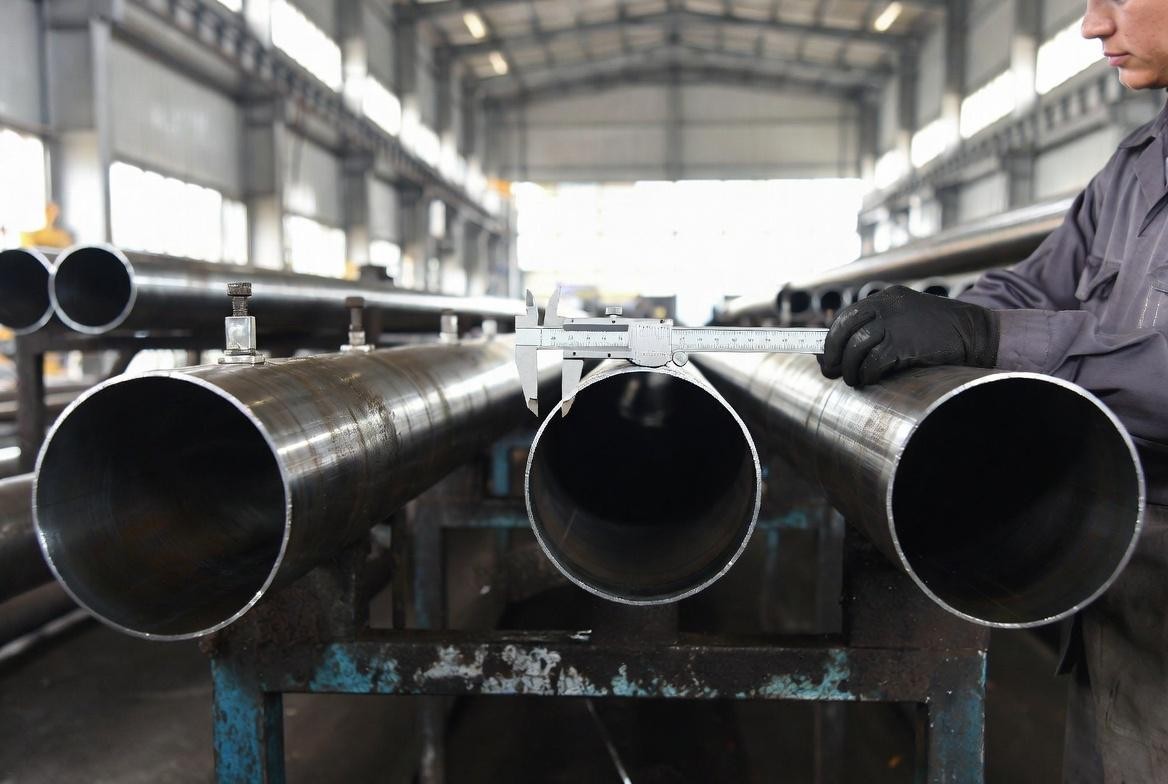
Quality inspection reduces risk by finding problems before the tubes enter construction sites or production lines. It also helps buyers avoid disputes, delays, and expensive replacement work.
A practical inspection process may include:
- Confirm the purchase specification and drawing requirements.
- Check material grade and certificates.
- Measure outside diameter, wall thickness, and length.
- Inspect surface condition and coating quality.
- Review straightness, roundness, and tube ends.
- Check mechanical properties and pressure requirements.
- Confirm packaging and anti-rust protection before shipment.
For large construction or equipment projects, inspection should happen before shipment, not only after the goods arrive. Pre-shipment inspection helps reduce delivery risk and gives buyers time to solve problems before installation.
How to Evaluate a Reliable Steel Tube Supplier
A reliable supplier should do more than provide a low quotation. Buyers should evaluate whether the supplier can support stable quality, technical communication, and export requirements.
Key points to review include:
- Product range and material options
- Experience with construction and industrial equipment projects
- Ability to supply seamless steel tube, stainless steel tube, alloy steel tube, galvanized steel pipe, and other required products
- Clear production and inspection process
- Complete quality certificates
- Export packaging capability
- Responsive communication
- Ability to match drawings and standards
- Stable delivery schedule
A professional steel tube supplier should also help buyers choose the right tube based on application, not just sell available stock. For buyers looking for a reliable steel tube supplier, PipeCW provides different steel tube options for construction, hydraulic, and industrial equipment projects.
Final Checklist Before Using Steel Tubes in Construction or Industrial Equipment
Before using steel tubes in a project, buyers and engineers should review this checklist:
- Is the tube type suitable for the application?
- Does the material grade match the project standard?
- Are the chemical composition and mechanical properties confirmed?
- Is the wall thickness correct and consistent?
- Is the tube straight, round, and dimensionally accurate?
- Is the surface free from cracks, rust, dents, or serious scratches?
- Does the coating or galvanizing meet environmental needs?
- Are the certificates complete and traceable?
- Has the supplier confirmed pressure or load requirements?
- Is the packaging strong enough for export transportation?
- Has the final inspection been completed before shipment?
This checklist helps reduce sourcing mistakes and supports safer project execution.
Conclusion
Steel tube quality checks are essential for safer construction and industrial equipment projects. The right inspection process helps confirm material strength, dimensional accuracy, pressure resistance, surface condition, and long-term reliability.
Whether buyers need seamless steel pipe, stainless steel pipe, galvanized steel pipe, hydraulic steel tube, alloy steel tube, cold drawn steel tube, or other metal tube products, quality should be evaluated through both documents and physical inspection. A professional supplier should provide clear standards, stable production, traceable certificates, and practical technical support.
In global sourcing, the lowest price is not always the safest choice. Better steel tube quality control helps reduce project risk, improve equipment reliability, and protect long-term investment. To learn more about available steel tube solutions, buyers can also visit PipeCW for product information and sourcing support.


