

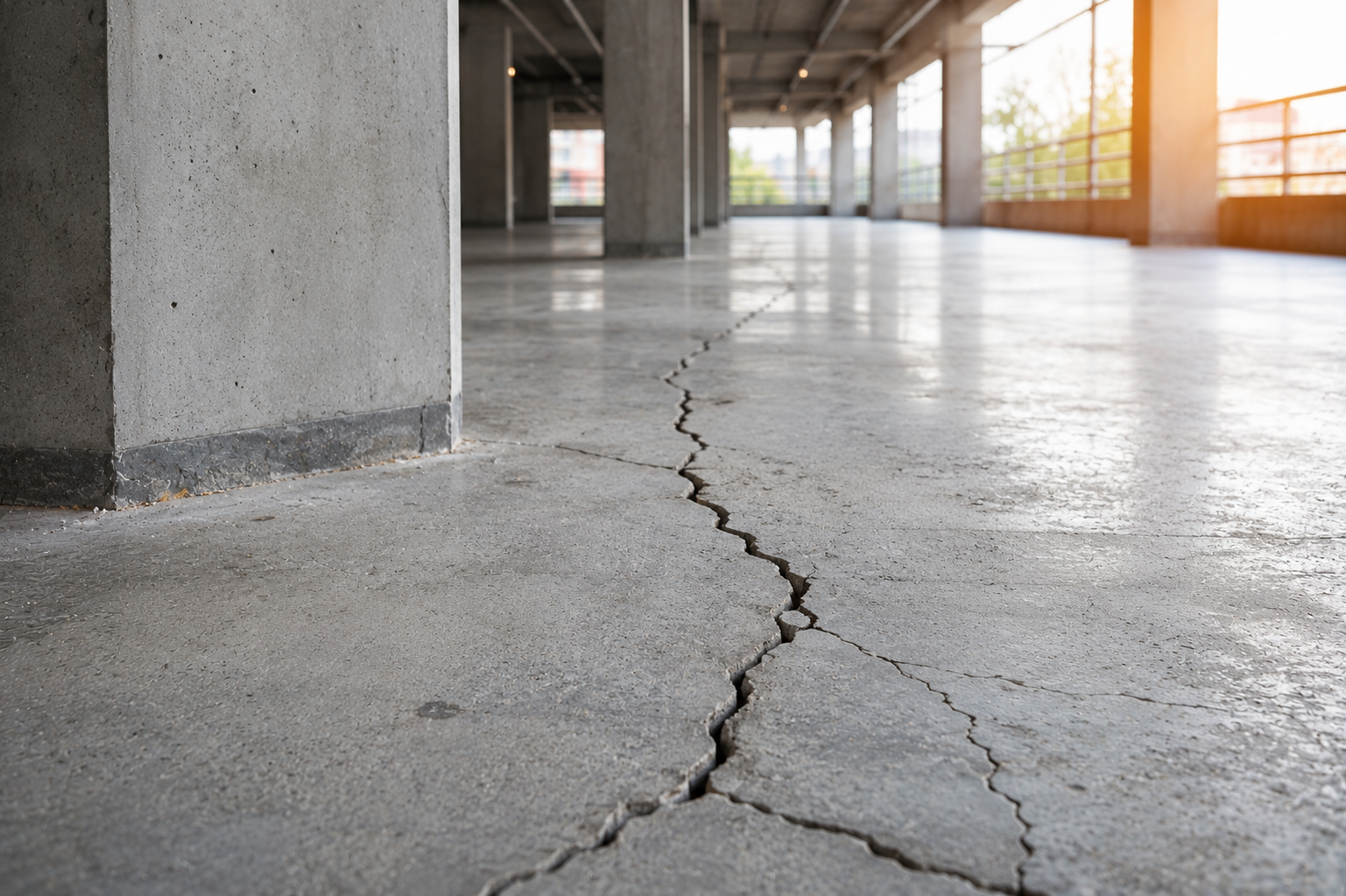
Concrete is one of the strongest and most durable construction materials available, making it an essential component of buildings, bridges, highways, sidewalks, and industrial infrastructure. Despite its impressive compressive strength, however, concrete is not immune to cracking. In fact, nearly all concrete develops some form of cracking during its lifetime. The key difference between a long-lasting structure and one that requires frequent repairs often lies in understanding why concrete cracks and implementing the right preventive measures from the beginning.
Not every crack indicates structural failure. Some are harmless and expected as concrete naturally shrinks and responds to environmental changes. Others, however, can compromise durability, allow water infiltration, accelerate reinforcement corrosion, and significantly reduce the lifespan of a structure. Recognizing the causes of concrete cracking enables contractors, engineers, inspectors, and quality control professionals to make informed decisions throughout the construction process.
In this article, we’ll examine the most common causes of concrete cracks, explain how different types of cracks develop, and discuss practical strategies to minimize cracking through proper construction practices, curing, and quality control.
Understanding Why Concrete Cracks
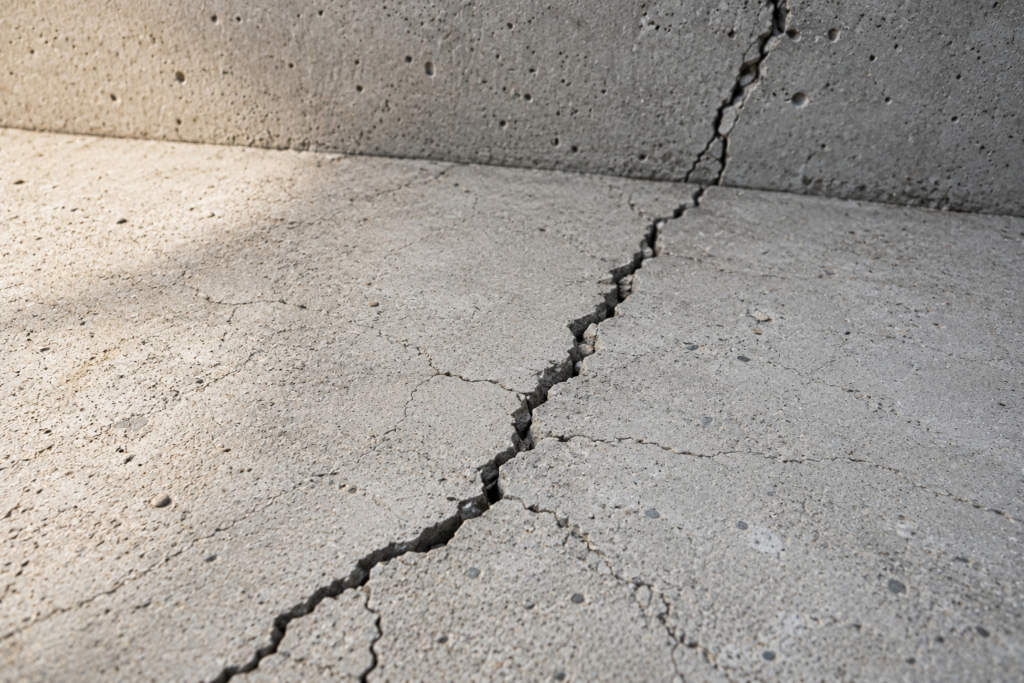
Concrete is exceptionally strong in compression but relatively weak in tension. When tensile stresses exceed the concrete’s tensile capacity, cracks begin to form. These stresses may result from shrinkage, temperature changes, excessive loads, settlement, poor workmanship, or environmental exposure.
Many cracks develop during the first few hours or days after placement, while others appear months or even years later. Understanding when cracks form often helps identify their underlying cause and determine the appropriate corrective action.
Proper design, material selection, placement techniques, curing, and testing all play an important role in reducing unnecessary cracking and improving long-term performance.
Plastic Shrinkage Cracking
One of the earliest forms of cracking occurs while the concrete is still in its plastic state. Plastic shrinkage cracks typically develop when moisture evaporates from the surface faster than bleed water can replace it. This commonly happens during hot, dry, or windy weather conditions.
As the surface dries rapidly, tensile stresses develop before the concrete has gained sufficient strength to resist them. The result is a network of shallow cracks that may appear only a few hours after placement.
Although these cracks are usually not structural, they can reduce surface durability and create pathways for water and chemicals to enter the concrete. Contractors can significantly reduce plastic shrinkage cracking by monitoring weather conditions, using windbreaks or sunshades, beginning curing immediately after finishing, and avoiding unnecessary delays during placement.
Drying Shrinkage Cracking
As hardened concrete loses moisture over time, it naturally shrinks. If this movement is restrained by reinforcement, foundations, adjoining structural elements, or subgrade friction, tensile stresses develop within the concrete. Drying shrinkage cracks often appear weeks or months after construction and may continue developing as the concrete gradually dries.
Proper joint spacing, adequate reinforcement, appropriate mix design, and effective curing all help reduce drying shrinkage. Maintaining sufficient moisture during the curing period allows hydration to continue, reducing the overall amount of shrinkage experienced by the concrete.
For a deeper understanding of curing practices, readers can refer to Certified MTP’s educational guide on Concrete Curing, which explains how proper moisture retention contributes to stronger, more durable concrete.
Settlement Cracking
Settlement cracks occur when concrete settles unevenly around reinforcing steel, embedded utilities, or formwork before it has fully hardened. These cracks often appear directly above reinforcement or other obstructions that prevent uniform settlement.
Poor subgrade preparation may also contribute to settlement cracking after construction. If soil beneath the concrete continues to consolidate or shift, unsupported areas may crack under their own weight or external loading.
Proper compaction of the subgrade, careful placement techniques, and adequate consolidation help minimize settlement-related cracking.
Understanding soil compaction and field density testing is an important part of preparing stable foundations for concrete construction. Certified MTP’s resource on Why Soil Compaction Matters provides additional information about preparing construction sites before concrete placement.
Thermal Cracking
Concrete expands when heated and contracts as temperatures decrease. Large temperature differences between the concrete’s interior and surface create internal stresses that may eventually exceed the concrete’s tensile strength.
Thermal cracking is particularly common in mass concrete structures such as bridge piers, dams, foundations, and retaining walls where significant heat is generated during cement hydration.
Environmental conditions also play a major role. Rapid cooling caused by cold weather or sudden rain after placement can increase temperature differentials and contribute to cracking. Monitoring concrete temperature throughout placement and curing helps construction professionals manage these risks more effectively.
Overloading and Structural Stress
Concrete structures are designed to support specific loads. When these limits are exceeded due to design changes, excessive traffic, equipment loads, or structural modifications, stress cracks may develop.
Unlike shrinkage cracks, structural cracks often continue growing over time and may indicate underlying safety concerns. Cracks that widen significantly, change direction, or are accompanied by noticeable deflection should always be evaluated by qualified structural professionals.
Proper structural design, adherence to loading requirements, and routine inspections help prevent these problems from developing.
Corrosion of Reinforcing Steel
One of the most serious long-term causes of concrete cracking occurs when reinforcing steel begins to corrode.
Water, oxygen, chlorides, and other contaminants can penetrate concrete through pores or existing cracks. As reinforcing steel rusts, it expands significantly, placing internal pressure on the surrounding concrete.
This expansion eventually produces longitudinal cracks, delamination, and surface spalling that expose even more reinforcement to moisture. Proper concrete cover, low-permeability concrete, adequate curing, and timely crack repair all reduce the likelihood of reinforcement corrosion.
Poor Concrete Mix Design
Not all cracking results from environmental conditions. In some cases, the concrete mixture itself contributes to the problem.
Excessive water content increases the water-cement ratio, producing weaker concrete that experiences greater drying shrinkage. Improper aggregate grading, insufficient cement content, or poor-quality materials may also reduce durability and increase cracking susceptibility.
Maintaining proper concrete workability without adding unnecessary water is essential for producing durable concrete. Understanding the relationship between consistency of concrete and mix performance helps contractors balance workability with strength requirements.
The Role of Quality Control in Preventing Concrete Cracks
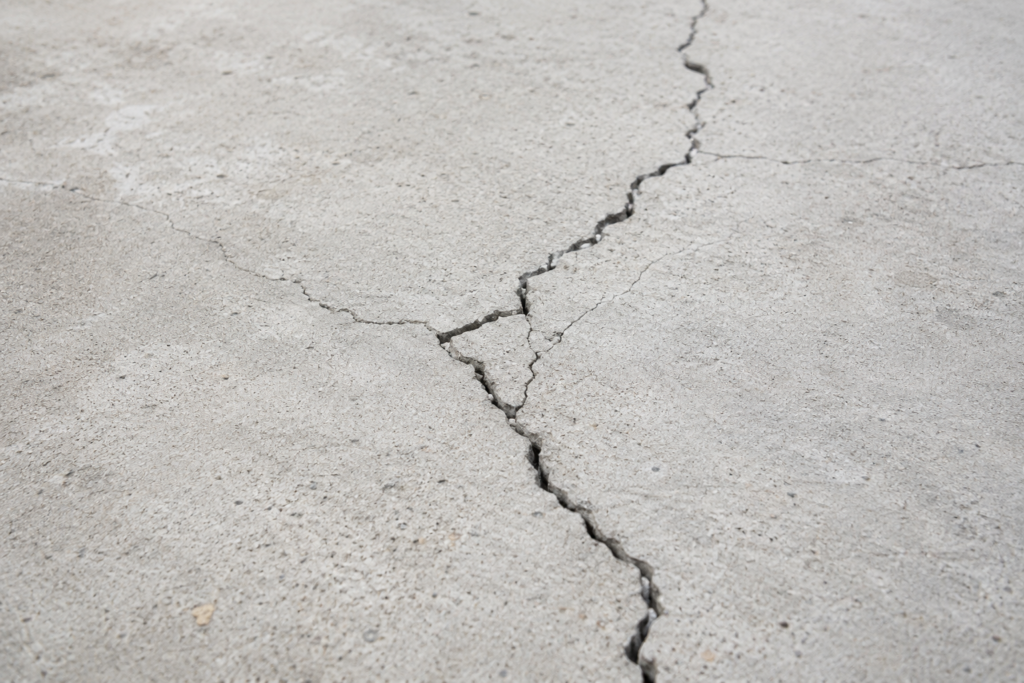
Preventing concrete cracking begins long before the concrete hardens. Comprehensive quality control ensures the concrete delivered to the jobsite meets project specifications and performs as intended under field conditions.
Fresh concrete should be evaluated using Concrete Slump Testing to verify workability before placement. Monitoring air content, temperature, and density provides additional information about the quality and consistency of the mix, especially when environmental conditions are less than ideal.
Proper curing is equally important. Certified MTP’s educational resource on The Importance of Concrete Curing explains how maintaining adequate moisture during hydration reduces shrinkage, improves durability, and helps minimize cracking.
After curing, Concrete Compressive Strength Testing verifies that the concrete has achieved its required design strength. Together, these testing procedures provide valuable quality assurance throughout the construction process.
Best Practices to Minimize Concrete Cracking
Although it may not be possible to eliminate every crack, following proven construction practices significantly reduces their frequency and severity.
Careful planning begins before concrete placement. Contractors should monitor weather forecasts, prepare curing materials in advance, and avoid placing concrete during extreme environmental conditions whenever practical.
Selecting an appropriate concrete mix is equally important. Maintaining the proper water-cement ratio, using quality aggregates, and avoiding unnecessary water additions help reduce shrinkage while improving long-term durability.
Proper curing should begin immediately after finishing operations are complete. Maintaining adequate moisture allows hydration to continue, increasing strength while reducing early-age cracking.
Construction joints and control joints should also be properly designed and installed to accommodate normal concrete movement. Rather than allowing random cracks to develop, well-designed joints encourage cracking to occur in predetermined locations where it is less likely to affect structural performance.
Finally, routine inspection and quality control testing throughout construction help identify potential issues before they become expensive repairs.
Conclusion
Concrete cracking is a common occurrence, but understanding its causes makes prevention far more effective. Plastic shrinkage, drying shrinkage, settlement, thermal movement, overloading, reinforcement corrosion, and poor mix design all contribute to cracking under different circumstances.
Fortunately, most cracking can be minimized through proper planning, appropriate mix design, careful placement, effective curing, and comprehensive quality control testing. By understanding how environmental conditions, construction practices, and material properties interact, contractors and engineers can produce stronger, more durable concrete structures with longer service lives.
Rather than viewing cracks as unavoidable failures, construction professionals should see them as indicators of how concrete responds to its environment. Applying best practices throughout every stage of construction helps reduce unnecessary cracking while ensuring concrete performs as intended for decades.


