

The 25ml graduated cylinder is a cornerstone of precise liquid measurement, essential for accurate chemical analysis or perfecting your culinary creations. In this article, we dive into the design, selection, and use of the 25ml graduated cylinder, shining a light on its role in ensuring measurement accuracy.
Key Takeaways
-
A 25ml graduated cylinder offers high precision and accuracy with a narrow, tall design ideal for laboratory settings where measurements under 25 milliliters require exactness.
-
Graduated cylinders come in different materials like glass and polymethylpentene, and selection depends on the need for durability, temperature and chemical resistance, and readability of the graduation marks.
-
Proper usage involves a correct pouring technique, reading at the bottom of the meniscus, and maintaining cleanliness and calibration to ensure accurate measurements and the longevity of the cylinder.
Exploring the 25ml Graduated Cylinder
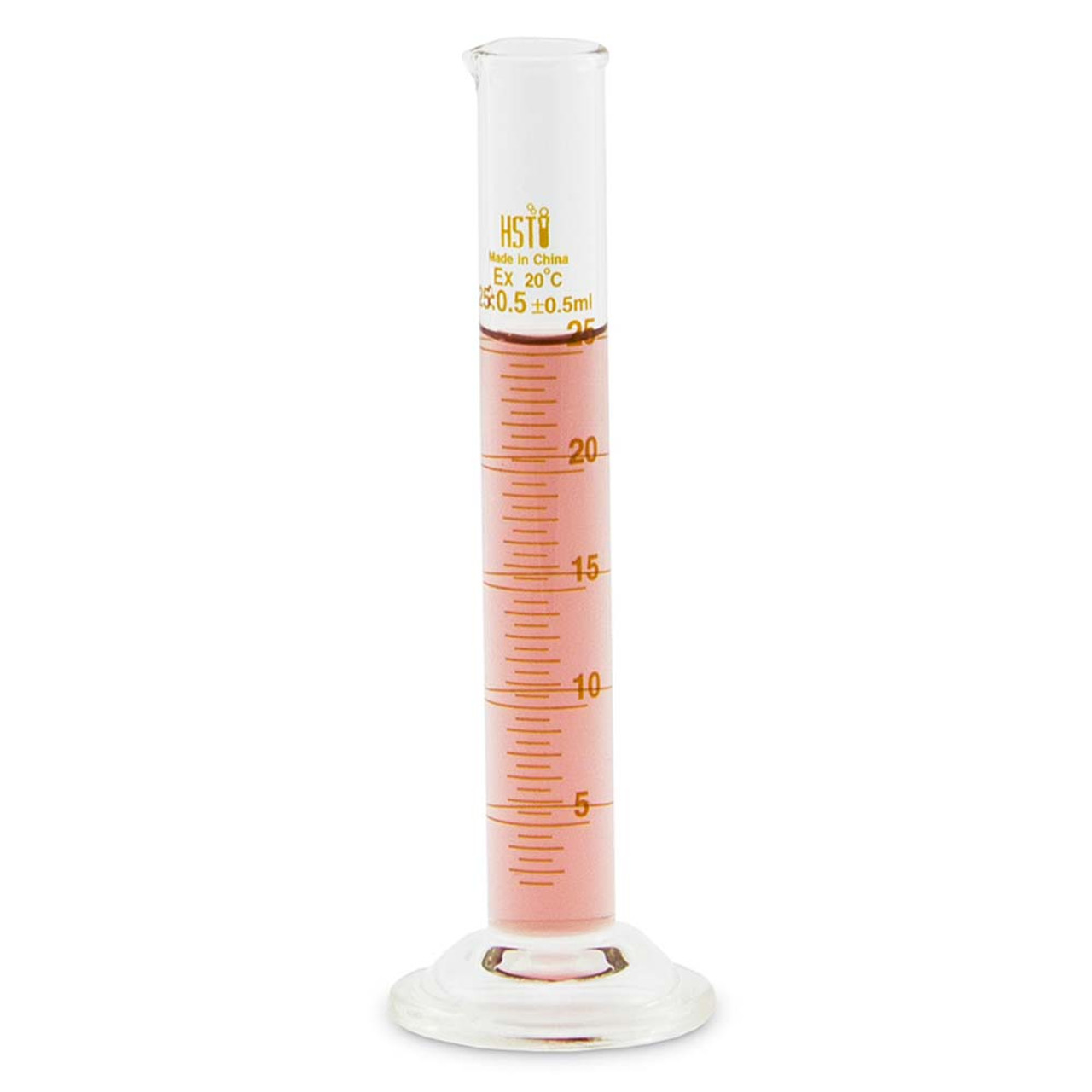
Graduated cylinders are renowned for their precision and accuracy, and the 25 ml variety is no exception. With its narrow, tall design, this cylinder is a staple in any lab, allowing for precise measurements of liquid volumes. But just what gives this graduated cylinder its unique advantage?
We will explore the intricacies of its product design, benefits and the various 25 ml graduated cylinders available.
What Exactly is a 25ml Graduated Cylinder?
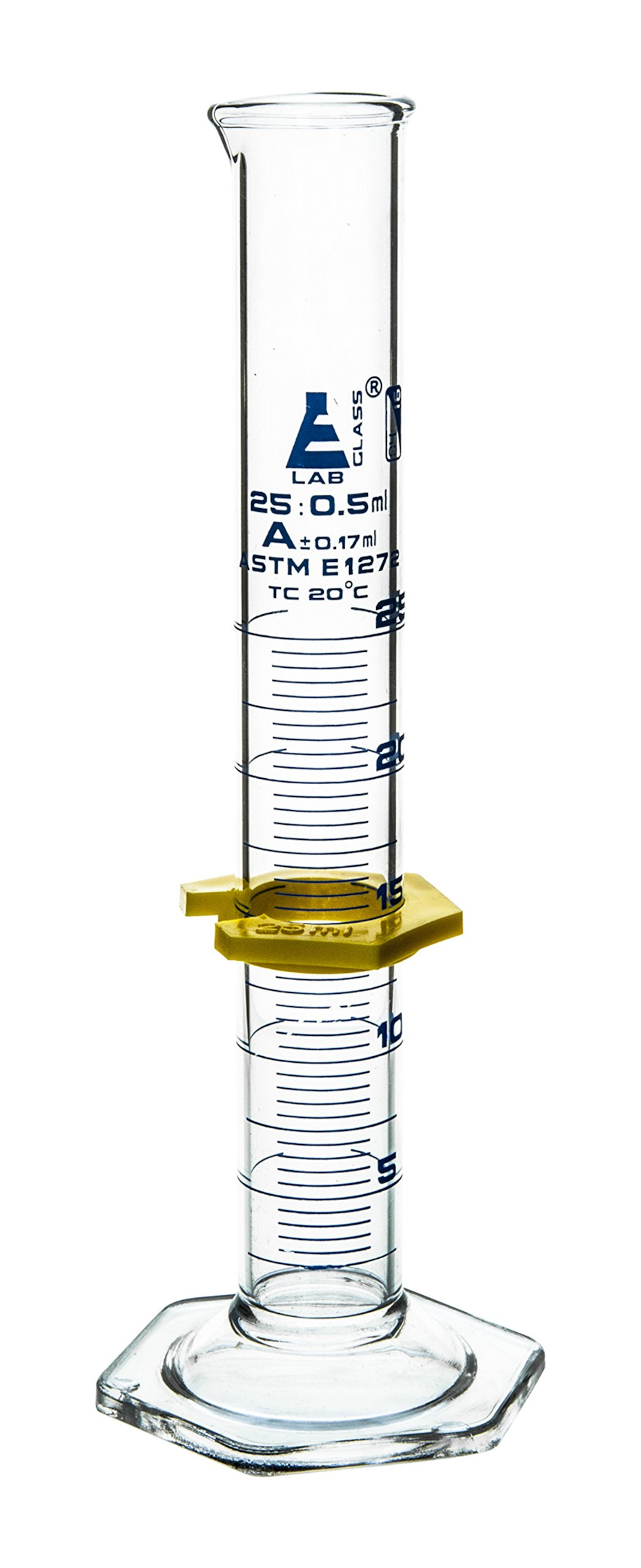
If you’re picturing a tall, narrow tube with lines marking different volumes, you’re on the right track. A 25ml graduated cylinder is a narrow cylindrical container marked with horizontal lines (graduations) to measure up to 25 milliliters of liquid. Its design is far from random. The tall and narrow shape of the 25ml graduated cylinder serves an essential purpose: it increases the accuracy and precision of liquid volume measurements.
Whether you’re a seasoned scientist or a curious student, this cylinder plays an integral role in the accurate measurement of liquid volumes.
Key Benefits of Using a 25ml Volume
The 25ml graduated cylinder comes with a host of benefits:
-
Its small volume measurement is ideal for experiments requiring precision and minimal liquid quantities.
-
It’s particularly suitable for situations where measurements of less than 25 milliliters are needed with a high degree of accuracy.
-
And if you need to measure even smaller volumes, you can do so accurately by reading the smaller graduations, which allows for measurement of quantities less than the full 25 ml capacity.
This flexibility makes the 25 ml graduated cylinder a reliable partner in the laboratory.
Types of 25 ml Graduated Cylinders Available
Graduated cylinders are made from various materials, each with its unique set of advantages. The most common materials are glass and polymethylpentene. Polymethylpentene offers lightness and less fragility than glass, enhancing the cylinder’s durability. Furthermore, the lightweight nature of polymethylpentene graduated cylinders can contribute to their stability in various settings.
This great variety in materials makes it possible to choose a 25 ml graduated cylinder that best meets your needs, whether you prioritize durability, weight, or chemical resistance.
How to Select the Perfect 25 ml Graduated Cylinder for Your Needs
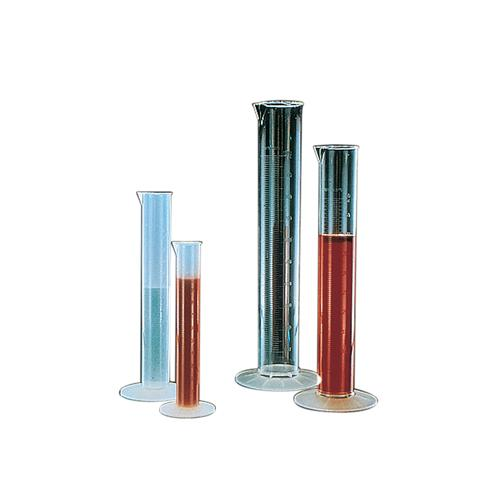
So, you’ve decided to add a 25 ml graduated cylinder to your lab equipment, but how do you choose the perfect one? There are several factors to consider when making your selection, itemssuch as the material, the clarity of the graduation marks, and the cylinder’s diameter.
We will explore these factors to assist you in making an informed choice when you enter this decision-making process.
Material Matters: Glass vs. Polypropylene
When it comes to choosing the material for your 25 ml graduated cylinder, you have two main options: borosilicate glass and polypropylene plastic. Glass graduated cylinders, particularly those made from borosilicate glass, can endure high temperatures and are compatible with a broad range of chemicals, exceeding the resistance offered by polypropylene in many cases. On the other hand, polypropylene cylinders are known for their durability and chemical resistance. However, they have a maximum temperature limit of 120°C (248°F), making them less suitable for high-temperature applications.
So, consider the material: opt for glass if clarity and resistance to a wide range and type of chemicals are needed, or polypropylene if you prefer something lightweight and break-resistant.
Reading the Graduations: Clarity and Accuracy
The graduation marks on a 25 ml graduated cylinder are crucial for accurate measurements. Clear graduations, ideally marked every 0.5 ml, facilitate precise measurements. The markings, often enhanced with color, such as blue, improve readability and accuracy.
Smaller diameter graduated cylinders generally provide more accurate readings, due to a clearer view of the liquid level against the graduation marks. So when choosing your cylinder, ensure the graduations are clear and distinct, even when obscured by the liquid being measured.
Considering Diameter and Stability
The diameter of a graduated cylinder can significantly influence its stability. Generally, cylinders with smaller diameters provide more stability and lower chances of tipping over. Some 25 ml graduated cylinders include hexagonal or octagonal bases to enhance stability, preventing accidental spills during laboratory work.
However, cylinders with a wide and low design may offer less stability, posing a higher risk of tipping over during use. Therefore, consider the trade-off between stability and storage space when choosing your 25 ml graduated cylinder.
Step-by-Step Guide to Measuring with a 25 ml Graduated Cylinder
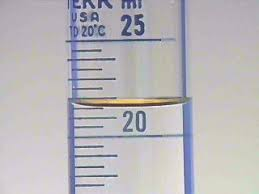
Now that you know how to select the perfect 25 ml graduated cylinder, let’s explore how to use it accurately. Graduated cylinders are preferred for liquid volume measurements due to their higher accuracy and precision compared to laboratory flasks and beakers.
In the following subsections, we will walk you through how to prepare your cylinder for use, review the technique for pouring, and how to maintain proper documentation of your measurements.
Preparing Your Cylinder for Use
Before starting your measurements, make sure the graduated cylinder is clean and free from any previous contents or residue to avoid contamination. A clean cylinder not only helps in avoiding cross-contamination but also ensures accurate liquid measurements.
When not in use, it might be beneficial to cover the cylinder with a dust cover to protect it from dust and other contaminants that could compromise the accuracy of future measurements.
The Pouring Technique: Minimizing Error
Pouring liquids into your 25 ml graduated cylinder requires a bit of technique. For accurate volume reading, ensure that your eyes are directly level with the liquid, and read the volume at the bottom of the meniscus. Pour liquids slowly and steadily into the cylinder to avoid splashing and the formation of bubbles, and do not overfill the cylinder to prevent spillage and inaccurate measurements.
Understanding the properties of the liquid being measured will also guide you in choosing the correct pouring technique, as some liquids may be more prone to forming bubbles or splashing.
Note-Taking and Documentation
Documenting your measurements consistently is key to maintaining the integrity and reproducibility of your experiments. Use common naming conventions and cross-reference in your laboratory notebooks to facilitate consistency and ease of retrieval of measurement data.
To ensure the accuracy of your measurements, verify the calibration of your graduated cylinder by comparing the mass when filled with water to the cylinder’s readings.
Care and Maintenance of Your 25 ml Graduated Cylinder
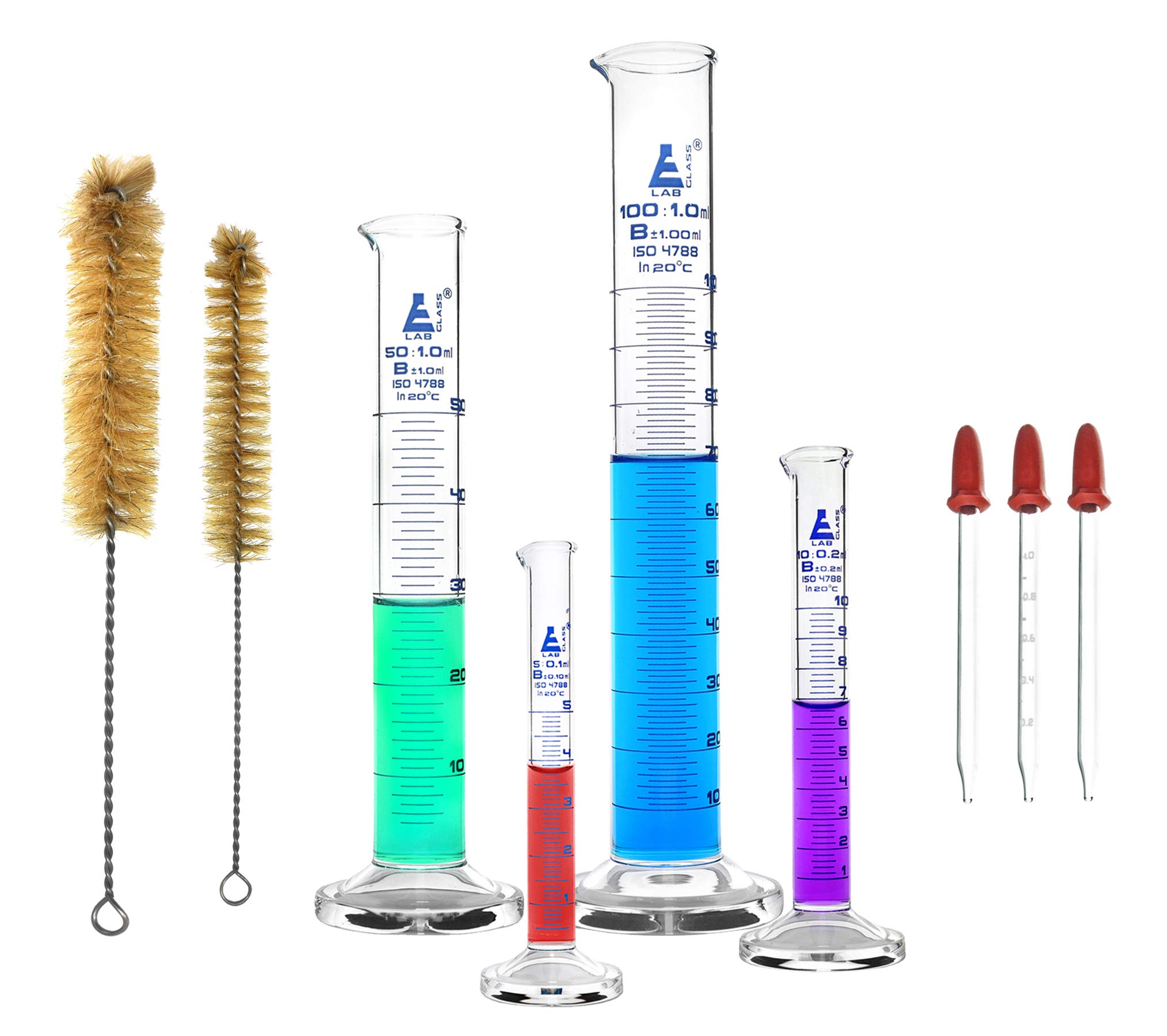
Proper care and maintenance of your 25 ml graduated cylinder are essential to its longevity and accuracy. This section will guide you through the best practices for cleaning, storing, and maintaining your graduated cylinder, ensuring that it continues to deliver precise measurements over time.
Cleaning Protocols for Longevity
Keeping your 25 ml graduated cylinder clean is essential for its longevity and the accuracy of your measurements. For glass cylinders, use non-abrasive detergents and soft brushes to prevent scratches, which can affect measurements. Polypropylene cylinders can tolerate stronger cleaning agents but should also be handled with care to avoid surface damage.
Always rinse your graduated cylinders with distilled water after use to remove any remaining chemicals or products that could cause contamination or damage.
Storage Solutions to Prevent Damage
When it comes to storing your 25 ml graduated cylinder, it’s important to:
-
Keep it upright to prevent tipping and potential breakage
-
Place your cylinders in a designated area with adequate spacing to prevent them from knocking against each other and causing breakage
-
Avoid storing cylinders in direct sunlight or in environments with extreme temperatures to prevent material deformation.
Using a full cart, dedicated storage rack or a specially designed holder can provide organized and safe storage for your graduated cylinders.
Regular Check-Ups: Keeping Your Cylinder Accurate
To maintain the accuracy of your 25 ml graduated cylinder, regular calibration checks should be conducted by professionals every few months. These checks ensure that the volume markings on your cylinder correspond accurately to the volume of liquid contained within, in alignment with industry standards such as ASTM.
Calibration professionals take into account environmental factors like temperature, humidity, and air pressure, as these can influence the accuracy of volume measurements.
Adding a 25 ml Graduated Cylinder to Your Cart: A Buyer’s Guide
Ready to make a purchase? Before adding a 25 ml graduated cylinder to your cart, there are several factors to consider. These include:
-
The type of reagents you’ll be using
-
The material of the cylinder
-
The clarity of the graduation marks
-
The reputation of the manufacturer
We will delve into these factors in order to help you make a confident purchasing decision.
How to Sort Through Options and Find What You Need
There’s a vast array of 25 ml graduated cylinders out there, so how do you find the one that’s perfect for you? The key is to select a cylinder that provides the right balance of volume measurement and readability for your specific needs. Your intended use, the types of liquids you’ll be measuring, and your personal preferences will all influence your choice.
Review Before You Add: Ensuring Quality
Before you add a 25 ml graduated cylinder to your cart, make sure it meets international standards for accuracy and reliability. Cylinders that conform to standards like ISO 4788 ensure accuracy and reliability in measurements.
So before you click that ‘add item to cart’ button, take a moment to review the product specifications and ensure the quantity and other aspects of the product meet your measurement needs.
Completing Your Order: A Step-by-Step Process
Upon selecting your ideal 25 ml graduated cylinder, the last step is to finalize your order. This involves not only selecting the desired items but also considering the shipping options provided by the supplier. If you find that you need the cylinder urgently, look for suppliers that offer fast shipping options.
To minimize additional expenses, take advantage of free shipping offers that may be available for orders exceeding a full quantity or certain value. By carefully reviewing and selecting suitable shipping options, you can ensure that the completion of your order meets both your timing needs and budget constraints.
Common Questions About 25 ml Graduated Cylinders Answered
Do you have some lingering questions about 25 ml graduated cylinders? Don’t worry, you’re not alone. In fact, there are some common questions that many people have about these indispensable lab tools.
We have compiled these questions and provided comprehensive answers to assist in clearing up any confusion, offering just what you need to read to understand the topic.
Can I measure other quantities with a 25 ml cylinder?
Yes, a 25 ml graduated cylinder can measure both larger and smaller quantities by performing multiple measurements or calculating portions of the total volume. It is versatile enough to measure various liquids, as long as they are not corrosive to the material of the cylinder, as well as dry goods that can fit into the opening. The cylinder can be used to measure in milliliters or other units, provided the user is capable of converting between these units accurately.
Beyond simple liquid measurement, the cylinder can also be used for applications such as calibrating pipettes or measuring the displacement of an object immersed in a liquid.
How do I know if the cylinder is calibrated correctly?
Verifying the calibration of your 25 ml graduated cylinder is essential for accurate measurements. Calibration ensures that the volume markings on your cylinder correspond accurately to the volume of liquid contained within. You can verify the calibration of your graduated cylinder using a known mass of distilled water and a balance; the known volume should correspond to the mass at a specific temperature.
Regular calibration checks should be conducted annually or whenever the graduated cylinder is subject to conditions that may affect its accuracy, such as exposure to chemical corrosion or thermal stress.
What should I do if my cylinder breaks or gets damaged?
In the event of a graduated cylinder breakage or damage, safety should be your first concern. Here are the steps to follow:
-
Clear the area immediately
-
Report the incident
-
Wear gloves for cleanup
-
Dispose of any broken glass carefully
After ensuring safety, evaluate the amount of spilled liquid and assess potential hazards that may have arisen due to the breakage.
Depending on the severity of the breakage and spill, you might need to decide whether to repeat or terminate the experiment or measurement that was being conducted with the graduated cylinder.
Summary
In conclusion, the 25ml graduated cylinder is an invaluable tool in any laboratory. Its precision, versatility, and ease of use make it a must-have for accurate liquid measurements. Remember, the key to successful measurements lies not only in choosing the right graduated cylinder but also in understanding its use, care, and maintenance. As you embark on your scientific journey, let the graduated cylinder be your reliable partner, ensuring the accuracy of your measurements and the success of your experiments.
Certified MTP has an elite selection of lab solutions, showcasing industry-leading brands including Flasks, Beakers, Pipettes, & Graduated Cylinders, Glass Graduated Cylinders, and Plastic Graduated Cylinders.
Frequently Asked Questions
How many decimal places do you read a 25mL graduated cylinder?
You would read a 25 mL graduated cylinder to the nearest 0.05 or 0.02 mL, depending on the cylinder’s precision. This allows for accurate measurement of volumes up to 25.0 mL.
How much is the volume of 25mL of water?
The volume of 25 mL of water is 25 mL or 25 cubic centimeters (cc).
Is 25mL a volume?
Yes, 25 mL is a unit of volume, equivalent to 25 cubic centimeters. There is no question and no doubt that 25 mL represents a volume measurement.
How can I measure 25mL?
To measure 25mL, you can use a 25 mL volumetric flask, which provides a high level of precision and accuracy in laboratory experiments.
Is 25mL the same as 1 oz?
No, 25mL is not the same as 25ml and 1 oz, as there are approximately 29.57 milliliters in one fluid ounce.
Related Blogs for 25ml Graduated Cylinders:
Understanding Air Condenser Chemistry in 2023
Chemistry Glassware Names: A Comprehensive Guide
Suction Filtration: The Basics of Vacuum Filtration
What is a Graduated Cylinder Used For?
Most Accurate Glassware for Measuring Volume
Pipette or Measuring Cylinder: Tools for Liquid Measurements
Measuring the Volume of Liquid: Tips, Tools, and Techniques
Unlock the Secrets of Flask Volume for Accurate Results
Efficiency with the Erlenmeyer Flask: Tips for Lab Use
Guide to Bunsen Burners: Types, Uses, and Safety Tips
Choosing the Best Mortar and Pestle for Laboratory Use
Choosing the Best Graduated Measuring Cylinders for Your Lab
Advantages of Mohr Pipette: Precision Measuring Simplified
Best Graduated Cylinder for Accurate Measurements
How Erlenmeyer Flask is Used for Laboratory Applications
Flasks in Chemistry: Types and Uses for Laboratory Success
Flask Chem Essentials: Choosing the Right Lab Flask
Beaker vs Graduated Cylinder: A Comprehensive Comparison
Exploring Precision of 100 ml Graduated Cylinder
Measuring Volume Tools: Guide to Accurate Liquid Measurement
Graduated Cylinder Sig Figs: Precision in Liquid Measurement


